Water is the medium through which the three pillars of the One Health paradigm for human, animal, and environmental health most directly interact, yet a 2025 review published in the Journal of Environmental Studies and Sciences concludes that One Health “remains narrowly focussed on traditional issues such as infectious diseases, zoonosis, antimicrobial resistance, and food safety,” with “limited integration of environmental issues, including water-related research and management”. Closing this gap is both a scientific and an operational imperative.
The burden of inadequate water, sanitation, and hygiene (WASH) is quantifiable and severe. According to the UN Thematic Concept Paper on Water for Health, as of 2020, 2 billion people still did not use safely managed drinking water, 771 million did not use even basic drinking water services, and 3.6 billion people used sanitation services that leave human waste untreated; 494 million continued to practise open defecation. Inadequate WASH causes an estimated 1.4 million deaths annually and is identified as the root cause of cholera. Water also serves as a habitat for vectors that carry diseases such as malaria and dengue, and adequate WASH services reduce the need for antibiotics, a critical consideration given rising antimicrobial resistance.
Beyond biological pathogens, water systems transmit chemical and particulate pollutants across species and ecosystems. A declaration issued on 7 April 2026 by the Scientists’ Coalition for an Effective Plastics Treaty a group of nearly 500 independent scientists from more than 70 countries states that “microplastics are now present in the food we eat, the water we drink, and the air we breathe,” with documented human health impacts including “cancer, neuropsychiatric disorders, cardiovascular, respiratory and digestive diseases as well as metabolism disruption,” and that “very similar effects can be observed in animals”. The Coalition estimates the global health-related costs of a limited number of chemicals used in plastics at approximately USD 1.5 trillion per year (2015 baseline), noting that this figure likely underestimates the true burden because it covers only a small subset of plastic chemicals and health outcomes and excludes damages to the ecosystem and animal health. Plastics were also responsible for an estimated 4.5% of global greenhouse gas emissions in 2015, with that share expected to grow in line with production. The Coalition concludes that “plastics therefore pose multiple, interlinked, and cascading threats to human, animal, and ecosystem health at the heart of the One Health concept”.
Water and soil contamination by plastics, heavy metals, and pesticides contributes to the development of cardiovascular, neurodegenerative, and metabolic diseases. In Europe and Central Asia specifically, more than 20 per cent of surface water and nearly 30 per cent of groundwater remain polluted, while climate change is intensifying droughts and floods, disrupting both water supply and sanitation.
FAO calls for the application of the One Health approach, an integrated framework that aims to sustainably balance and optimise the health of people, animals, and nature to connect water, agriculture, and ecosystems. Concretely, this entails: (1) expanding water-quality and biomonitoring networks; (2) upgrading wastewater treatment and the safe reuse of treated water in agriculture; (3) investing in joint early warning systems and data sharing; and (4) ensuring that health, water, environment, and agricultural sectors collaborate in an integrated manner. Jehle also underscored that the Protocol on Water and Health remains the only legally binding instrument linking water management and public health outcomes.
The Discover Water (Springer Nature) collection “One Water – One Health” further situates water within One Health by examining water-cycle-based epidemiology and wastewater surveillance (including tracking infectious diseases such as COVID-19 in low-resource settings), the implications of climate change on water resources, and technological innovations, including big data and artificial intelligence for managing water-related health risks. The collection explicitly supports SDGs 3, 6, 11, 14, and 15.
Traditional and Indigenous knowledge systems reinforce these modern scientific principles. Indigenous communities have long developed sophisticated systems for managing water resources grounded in respect for the environment and future generations. In New Zealand, the Māori people consider water a taonga (treasure) and maintain a whakapapa (genealogical) relationship with it, viewing it as an ancestor that provides life and sustenance. This holistic worldview, recognising humans as an integral part of the natural environment, including water bodies, aligns with the UNEP position that “there is no healthy life on a sick planet” and the need to “fundamentally rethink how environmental dimensions shape health risks and outcomes, appreciating Indigenous knowledge”.
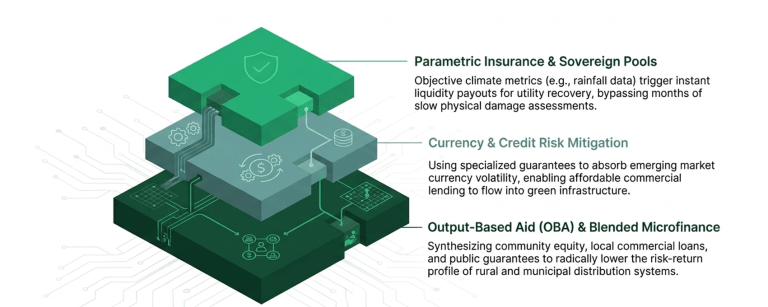
Water security also represents a climate-finance imperative. Over 90% of countries’ Nationally Determined Contributions (NDCs) and National Adaptation Plans (NAPs) prioritise water-security-related adaptation. By 2050, the number of people facing water stress could surge by 50% to around 3 billion, and those at risk of flooding could rise from 1.2 billion to 1.6 billion. Despite this, water has historically been treated as a peripheral sector” underpriced, undervalued, and associated with extended payback periods,” resulting in chronic underinvestment in resilient water systems.
#OneWaterSummit #OneHealthSummit

Here is also a podcast on Water at the Nexus of Human and Planetary Health