Bapon (SHM) Fakhruddin, PhD
Water and Climate Leader| Strategic Investment Partnerships and Co-Investments| Professor| EW4ALL| Board Member| Chair- CODATA TG| Award Winner (SDG 2021, EWS 2025)

Bapon Fakhruddin
Dr Fakhruddin is a water and climate leader with over 23 years of global experience in designing and implementing projects that address climate change risks and enhance resilience. He currently provides leadership and oversight of the portfolio of investments in water resources for addressing climate change at the Green Climate Fund, the world’s largest dedicated fund for climate action.
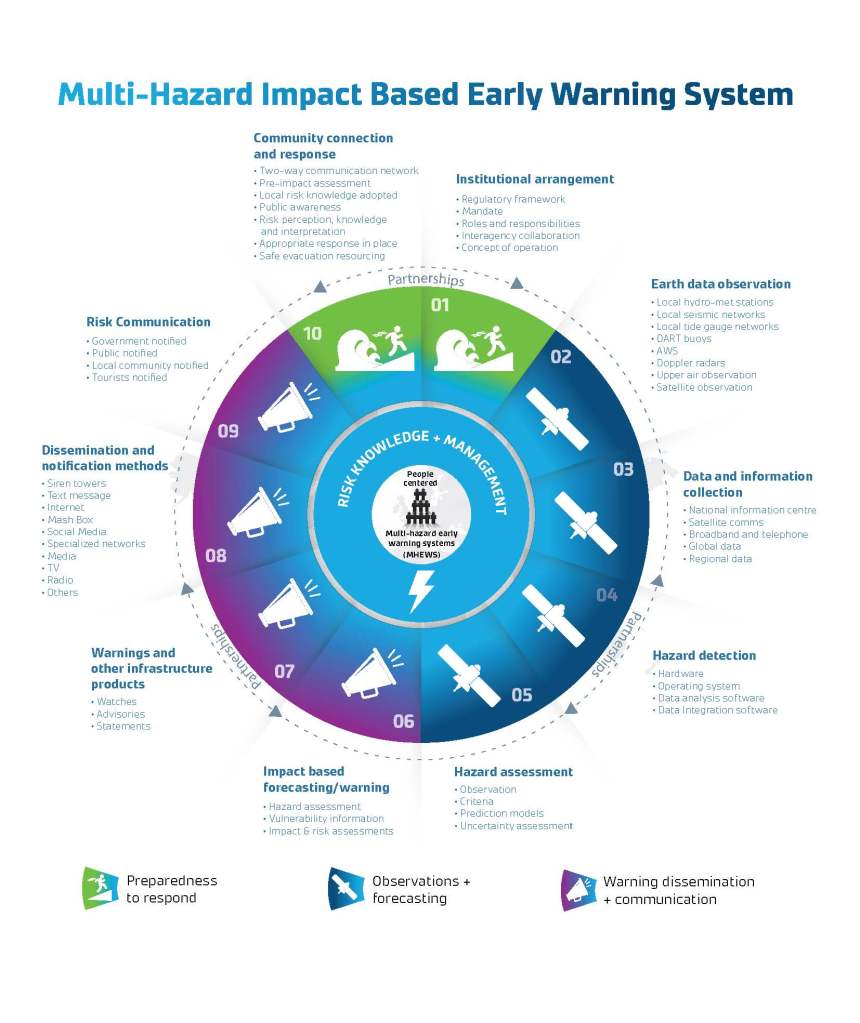
Disaster Risk Reduction & EWS
Explore essential insights and strategies on Disaster Risk Reduction and Early Warning Systems (EWS). Uncover expert advice, case studies, and practical tips to safeguard communities and build resilience against natural hazards.

Water Security
Dive into crucial discussions on Water Security and explore sustainable solutions. Uncover expert insights, innovative practices, and actionable strategies on water security and climate finance.
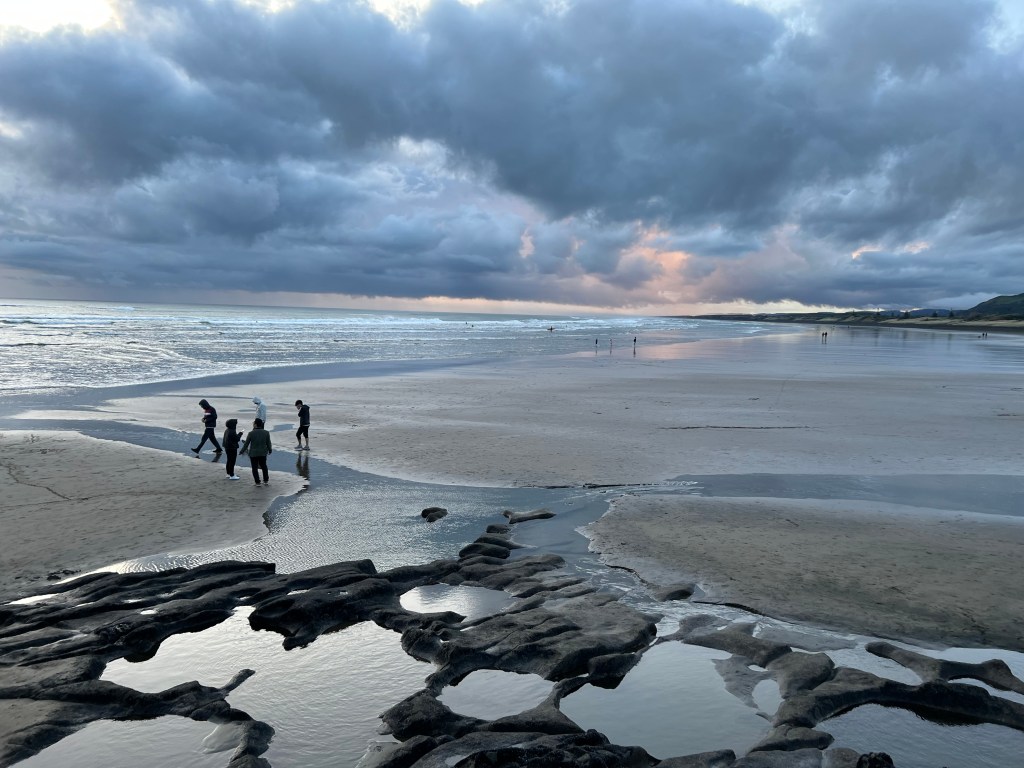
Climate Change
Immerse in vital conversations on Climate Change Risk and Adaptation. Explore expert insights, resilient strategies, and innovative solutions to navigate the challenges of a changing climate and build a sustainable future for all.
From our blog
-
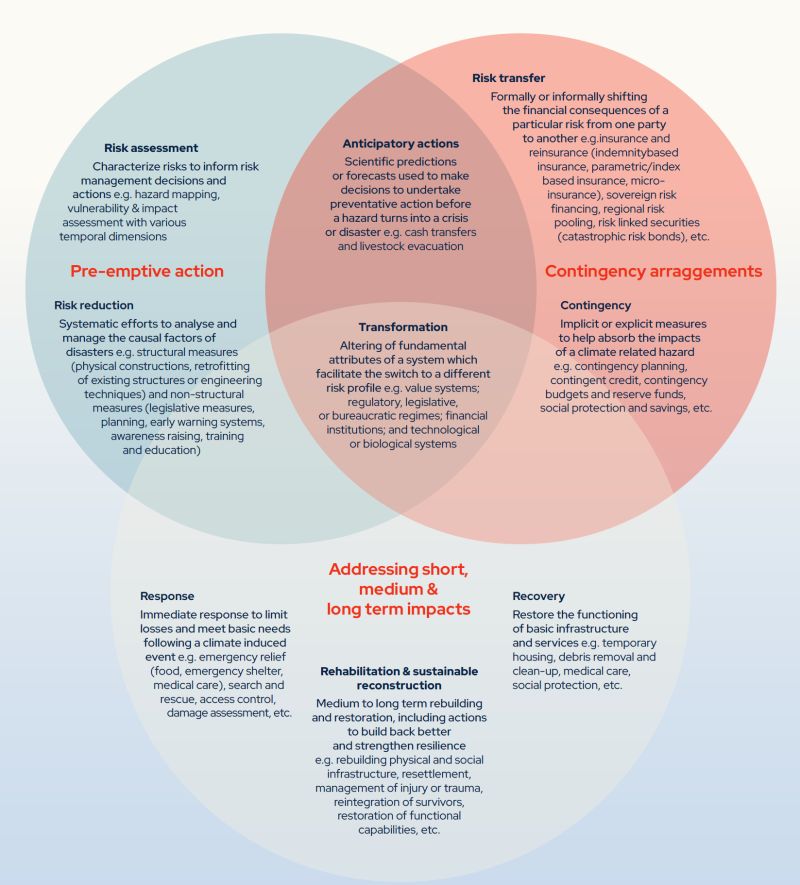
Bridging Resilience and Recovery for Climate Loss and Damage
The Green Climate Fund‘s projects demonstrated valuable experience in tackling the challenges of loss and damage caused by climate change. As the new loss and damage fund’s operationalization is in process, these case studies funded by GCF have significantly impacted through thorough risk management strategies. For example:#Senegal: Improved flood management has saved the country $8…
-

Water at the Heart of Climate Adaptation
The critical role of water in climate adaptation again strongly highlighted the findings of the World Meteorological Organization “State of Climate Services” report. The progress made in developing climate services, particularly in vulnerable regions, while stressing the urgent need for further investment and capacity building. The interconnectedness of water, climate, and human livelihoods is emphasized,…
-
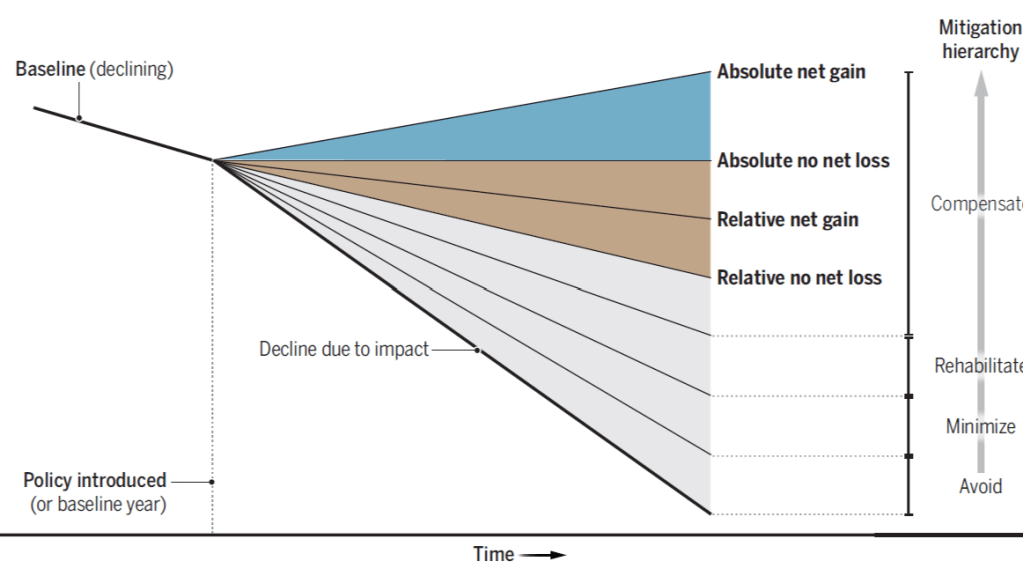
Achieving “Nature Positive” through Net Gain Legislation and Value Water at COP16
In an era marked by unprecedented environmental challenges, the pursuit of a “nature positive” world has emerged as a critical objective. This vision aims for a measurable enhancement in the health, abundance, and resilience of natural ecosystems by 2030. Achieving this ambitious goal necessitates transformative changes in global legislation and resource management, particularly concerning water—a…
-
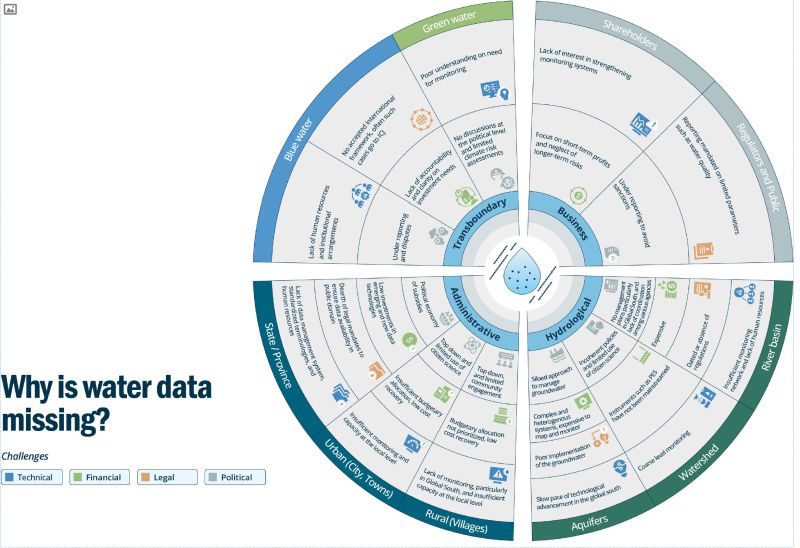
Transforming Water Governance Through Data
We are at a pivotal moment in managing water, our planet’s most essential resource. The Global Commission on the Economics of Water’s report highlights that the global water cycle is imbalanced, threatening our water security, sustainable development, climate change efforts, and biodiversity. A key factor in addressing these challenges is data, which is crucial for…
-

Global Water Security and Climate Resilience
#Watersecurity is a critical global challenge, with 25 countries experiencing extremely high water stress, affecting one-quarter of the world’s population. By 2050, an additional 1 billion people could face extreme water stress, and 31% of global GDP ($70 trillion) may be exposed to high water stress. The Green Climate Fund has mobilized $2.8 billion for…
-
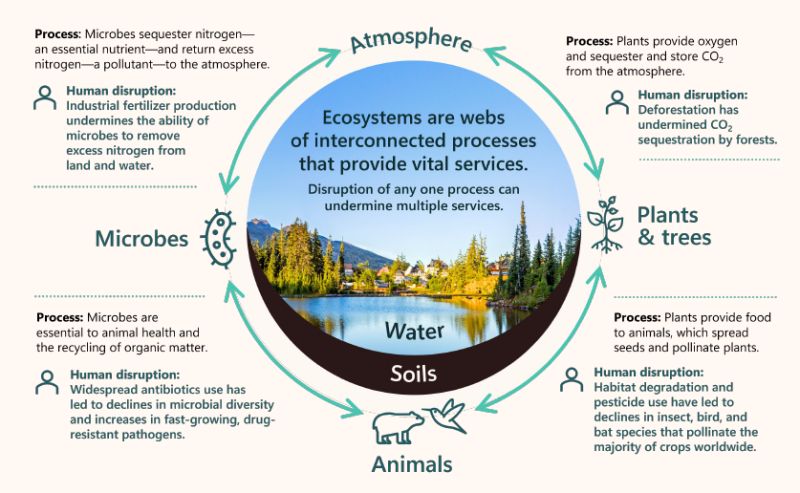
Unlocking Nature-Based Solutions for a Sustainable Future with Blended Finance
The world is facing a convergence of crises, including accelerating climate change, unprecedented biodiversity loss, and the degradation of ecosystems that are the foundation of life on Earth. However, nature-based solutions offer a path forward, as they are central to achieving climate goals, ensuring water security, and preserving the richness of life on our planet.…
-
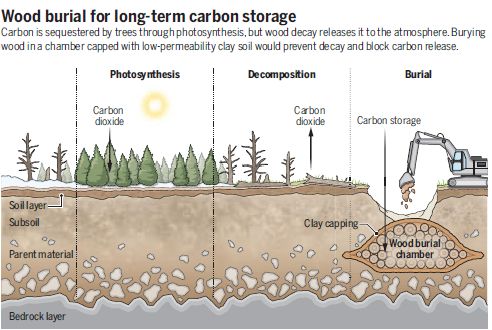
Wood Vaults: A Nature-Inspired Solution for Long-Term Carbon Storage
A new, innovative approach to combat climate change by burying wood in engineered “wood vaults” to store carbon long-term. Inspired by a 3775-year-old preserved wood log found in Quebec, this method could sequester up to 10 gigatonnes of CO2 globally per year. It’s cost-effective, ranging from $30 to $200 per tonne of CO2, making it…
-
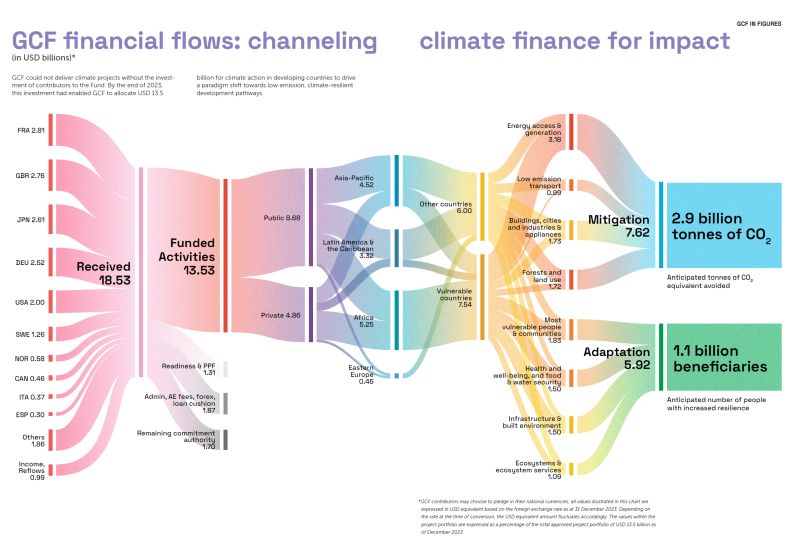
Green Climate Fund 2023: Driving Transformative Climate Finance for Developing Nations
As we are at the #ClimateWeekNYC and #UNGA, read our 2023 Annual Report demonstrating its growing impact. The Green Climate Fund has now committed $13.5 billion to 243 projects across 129 developing countries, leveraging over $50 billion in co-financing for climate action. In 2023 alone, GCF approved $2.1 billion for 34 new transformative projects. The Fund is…
-
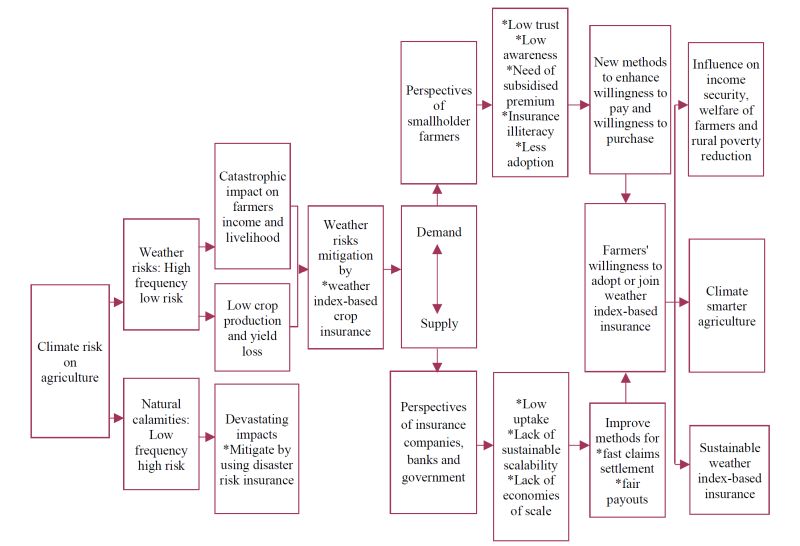
Scaling Climate Resilience with Index-Based Insurance for Smallholder Farmers
Index-based insurance is emerging as a powerful tool for climate resilience, especially for smallholder farmers. Key success factors include reducing basis risk, improving user understanding, and ensuring financial accessibility. A World Bank study found that index-based insurance can cut farmer vulnerability by up to 25%. In Ethiopia, the R4 Rural Resilience Initiative has insured over…
-
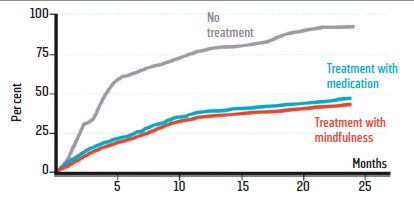
The Science and Practice of Meditation for Mental Resilience
In the 1970s, American doctor and professor Herbert Benson made a groundbreaking discovery. Through his research on meditation, he found that this simple practice could significantly reduce activity in the sympathetic nervous system, the part of our brain responsible for the fight-or-flight response. This discovery opened the door to a wealth of research, revealing the…

 Bapon (SHM) Fakhruddin, PhD