Author: Bapon Fakhruddin
-
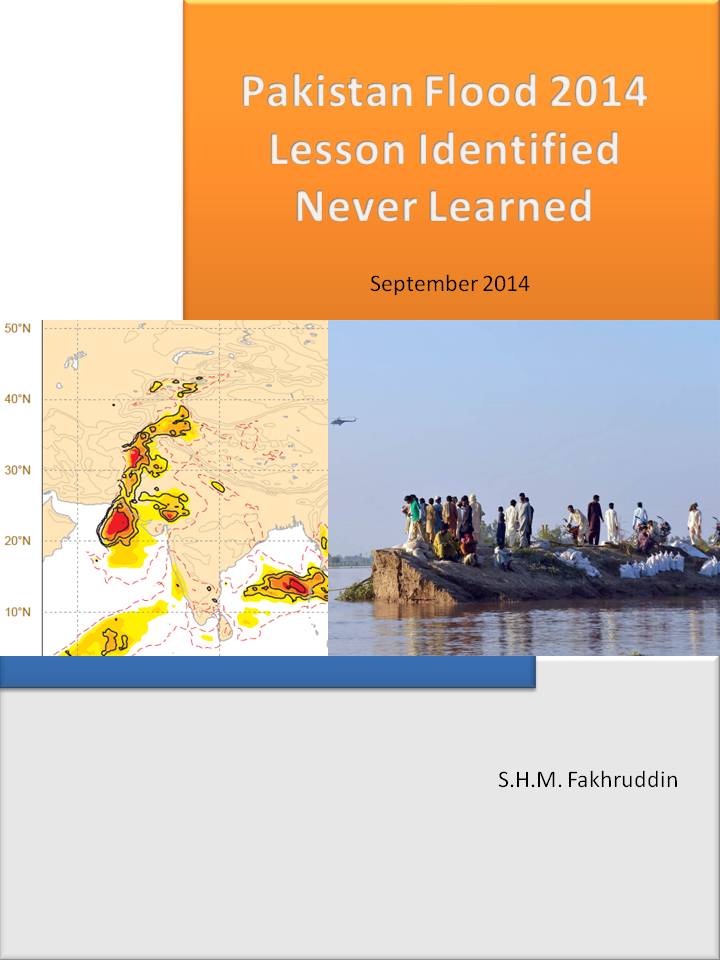
Pakistan Flood 2014- Lesson Identified Never Learned
I wrote similar article right after 2010 floods. I had a chance to work in Pakistan to conduct some climate risk management assessment and training program for the Government officials on climate risk management during 2009-2010. Based on my assessment, major recommendation was to strengthening flood forecasting and warning system with longer lead time and…
-
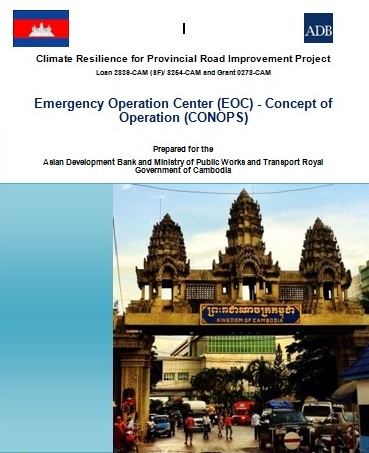
Emergency Operation Center (EOC) – Concept of Operation (CONOPS) For MPWT in Cambodia
The Ministry of Public Works and Transportation (MPWT) has increasingly focused its attention on extreme climate events and their impact on Cambodia’s road network. Under the ADB-funded “Climate Resilience for Provincial Road Improvement Project” (CR-PRIP), MPWT aims to promote climate adaptation and environmentally friendly roads. The project will ensure the robustness, safety, pass-ability, and durability…
-
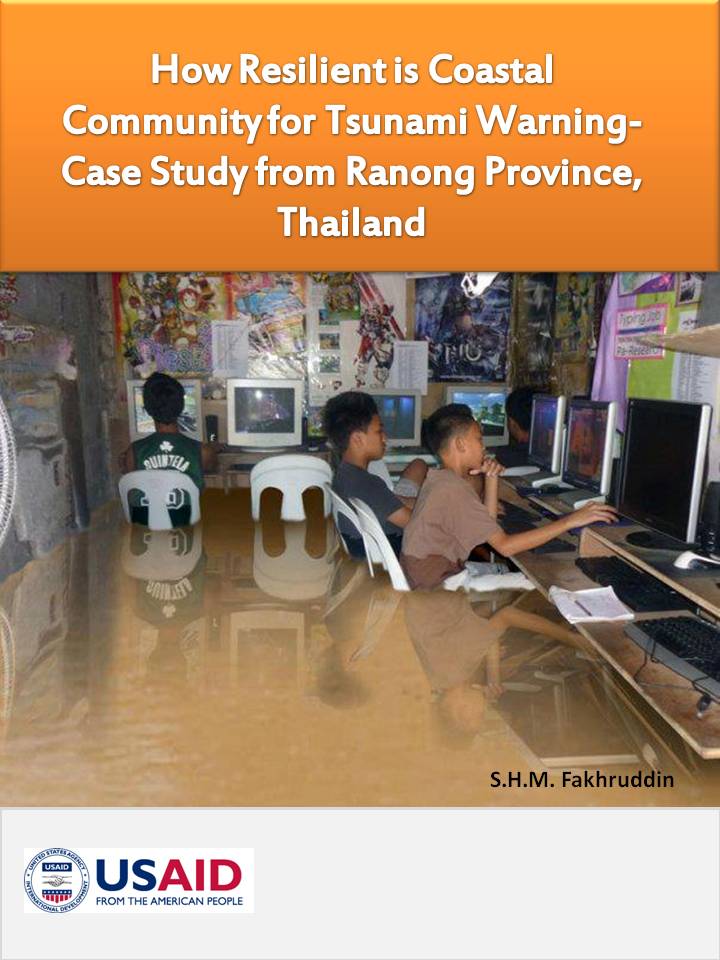
How Resilient is Coastal Community for Tsunami Warning- Case Study from Ranong Province, Thailand
Early warning system (EWS) is an integral part of human to influence perceptions, decisions and behaviour in times of adverse conditions and crises. Thus an early warning system integrated science, institutions and society for hazard detection to trigger warning, influences behavior for decision making and community response. People still EWS as their immediate warning and…
-
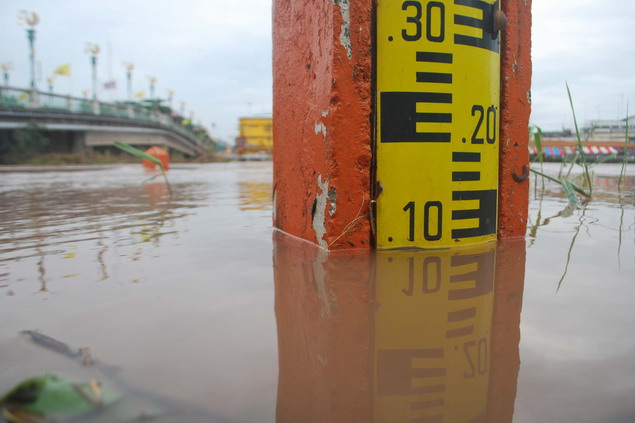
Present Status of the Drainage Network of Dhaka City: In reference to Recent Flooding Conditions
Dhaka, the capital of Bangladesh surrounded by river networks, which is, in turn, connected to a network of internal drainage system. Flood occurs frequently in this mega city due to both river flood and drainage congestions. Flood is the most common kind of disaster the city faced during the last fifty years since 1954. Flood…
-
SAMOA INFRASTRUCTURE VULNERABILITY ASSESSMENT
Samoan Islands are prone to climatic hazards that will likely increase in coming decades, affecting coastal communities and infrastructure around the islands. Climate models do not predict a reduction of such disaster events in the future in Samoa; indeed, most predict an increase in such events. Future rainfall in Samoa is uncertain as model results…
-
Applications of Medium Range Probabilistic Flood Forecast for Societal Benefits: Lessons Learnt from Bangladesh
It has long been recognized that if society could have advanced information on weather, the adverse effects associated with extreme weather could be minimized. The prevalence of traditional forecast practices in various parts of the world reflects the demand for long-range forecast schemes to manage uncertainties associated with it. Recent advancements in long-lead flood prediction…
-
Development a Methodology for Local Level Climate Risk Management- A Case Study for Pakistan
For decision makers to receive relevant information, the framework should be able to relate the adaptation issue to those who will do the planning. Given such uncertainty in regional-scale climate projections, as well as small increments expected over the next 15 to 20 years, the question arises as to whether climate change will have a…
-
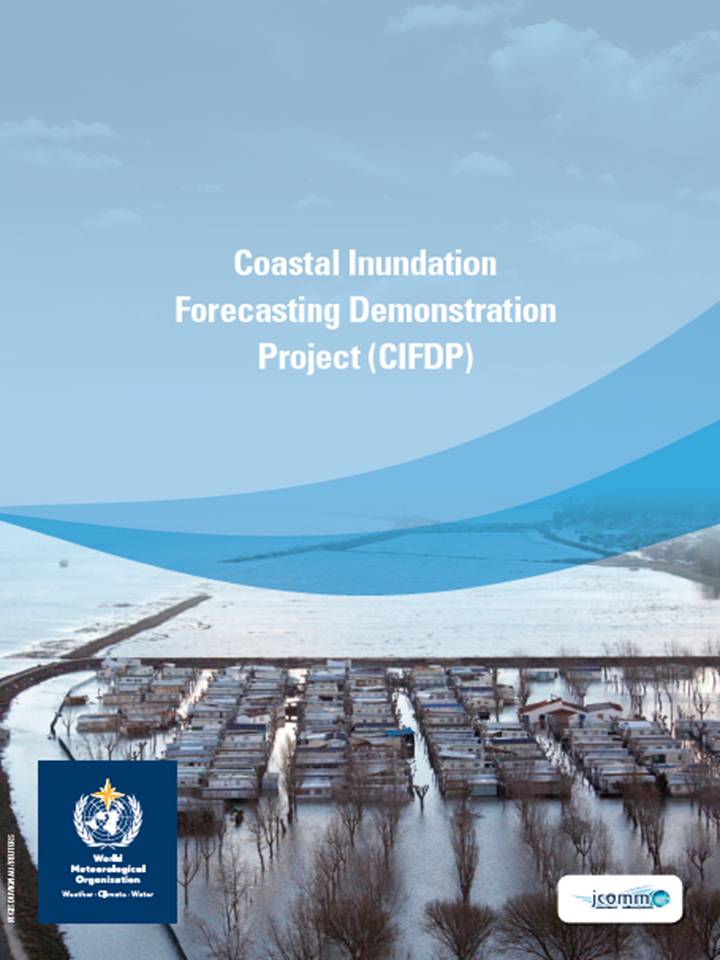
Coastal Inundation Forecasting Demonstration Project (CIFDP)
Coastal inundations are an increasing threat to the lives and livelihoods of people living in low-lying, highly-populated coastal areas. According to a World Bank Report in 2005, at least 2.6 million people may have drowned due to coastal inundation, particularly caused by storm surges, over the last 200 years. Forecasting and prediction of natural events,…
-
Cyclone Shelter Management Information System
Tropical cyclones accompanied by storm surges are one of the frequent major disasters in Bangladesh. More than 5 million people living in high risk areas) in the coastal belt are extremely vulnerable to cyclonic disaster. The Cyclone of 1970 took 300,000 and 1991 took 139,000 lives; and unaccounted properties. To reduce this risks many cyclone…
-
How Resilient is Coastal Community for Tsunami Warning- Case Study from Ranong Province, Thailand
Early warning system (EWS) is an integral part of human to influence perceptions, decisions and behaviour in times of adverse conditions and crises. Thus an early warning system integrated science, institutions and society for hazard detection to trigger warning, influences behavior for decision making and community response. People still EWS as their immediate warning and…
 Bapon (SHM) Fakhruddin, PhD