Category: Emergency Response
-
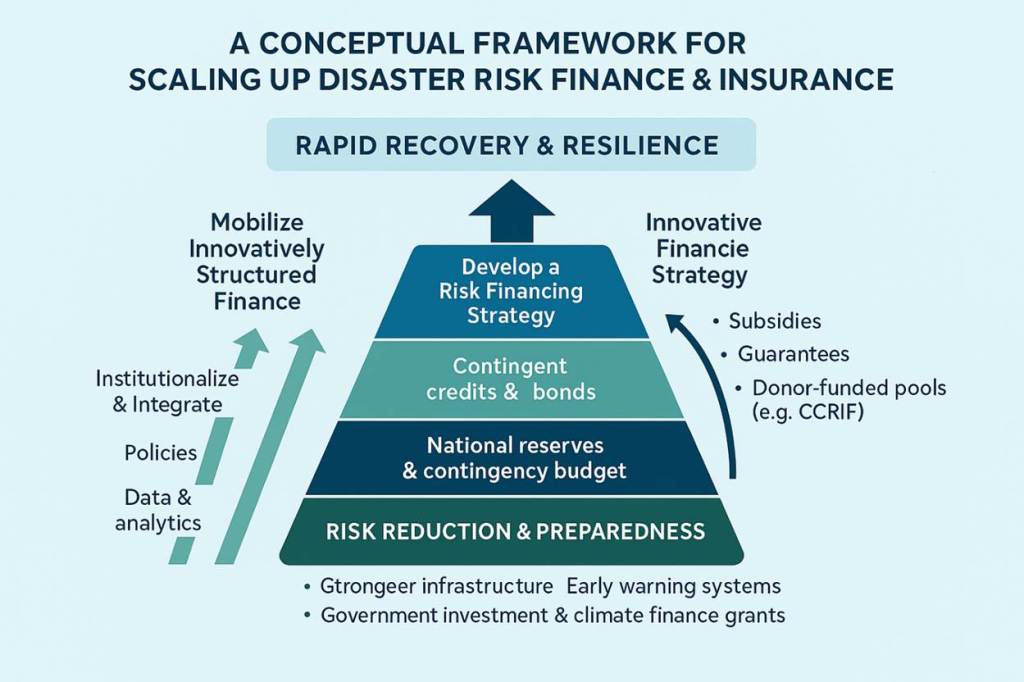
Empowering a resilient future through innovative climate financing
https://doi.org/10.5281/zenodo.18593780 Water and Climate Leader @ Green Climate Fund | Strategic Investment Partnerships and Co-Investments| Professor| EW4ALL| Board Member| Chair- CODATA TG February 5, 2026 Climate-related hazards are increasing in frequency and severity, threatening decades of development gains. Last year alone, extreme floods, storms, and droughts caused hundreds of billions in economic losses worldwide and…
-
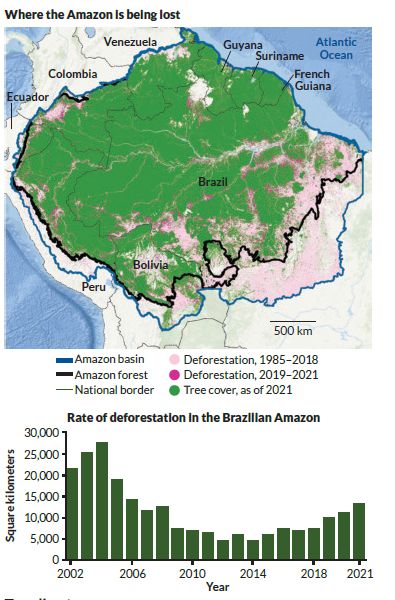
Urgent Action for Tropical Forests and Climate Resilience
In the 19th century, scientists discovered that plant leaves could survive temperatures of up to 50° Celsius, but beyond this threshold, they perished. Fast forward to 2021, a study of 147 tropical plant species found that the average temperature beyond which photosynthesis failed was 46.7°. This is the heartbeat of our planet, the rhythm of…
-

Are we there yet? The transition from response to recovery for the COVID-19 pandemic
Disaster risk reduction
-

Sinking, swimming and surfing- risk communications of uncertainties of the pandemic
Uncertainties in the COVID-19 impact assessment are inevitable. In order to understand various approaches to uncertainty and model implications, they need to holistically analyze. An inherently high level of uncertainty is associated with pandemic assessments derived with parametric approaches. While higher degrees of accuracy may be achieved with data-intensive based models, uncertainties are still associated…
-
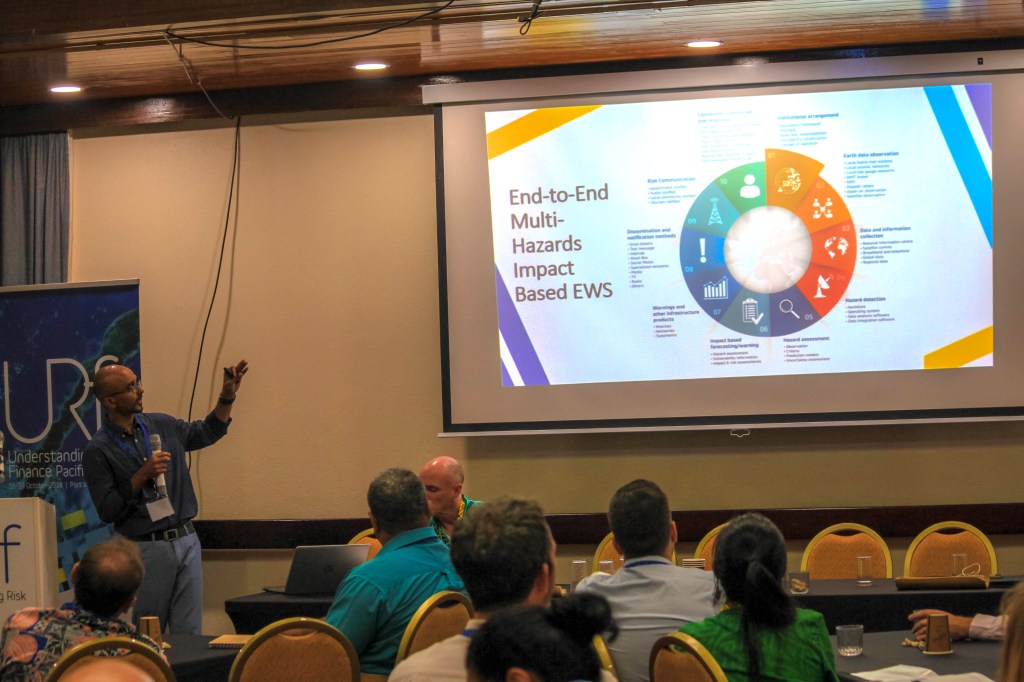
Understanding Risk Finance Pacific Forum – Vanuatu
The Understanding Risk Finance Pacific Forum was recently held in Vanuatu, with policymakers, financial risk managers and development partners from the region and around the globe converging upon Port Vila to strengthen regional collaboration in the Pacific. Co-organised by the Government of Vanuatu’s Ministry of Finance and Economic Management (MFEM) and the World Bank’s Disaster…
-
Disaster Risk Reduction and Open Data Newsletter- September 2018
DRR and data in the news Google Cloud and other SDG partners launch new programme for students Mobilizing Youth on Data for Action and Transformation in Africa New website drives logistics planning and preparation for natural disasters in Pacific IWMI, CGIAR and CCAFS partner to map climate-related hazards in South Asia Scientists gather social…
-
Disaster Risk Reduction & Open Data Newsletter – August 2018 Edition
DRR and data in the news Scientific collections and databases review by MBIE, New Zealand LINZ report on 15 August will improve datasets for resilience in New Zealand IBM with humanitarian organisations as partners launched Call for Code Global Initiative to support disaster recovery KDDI, OYO and Toyota using IoT to gather data for disaster…
-

White Paper: Next generation disaster data infrastructure CODATA LODGD Task Group 2017
Call for Authors This call for authors seeks contributions from academics and scientists who are in the fields of disaster management, data science, information management, or computer science and engineering. Schedule and contact information Volunteer recruitment deadline: 2017/7/31 Writing team task assignment: 2017/8/7 Submission deadline of each section and subsection: 2017/12/31 The first draft of…
-
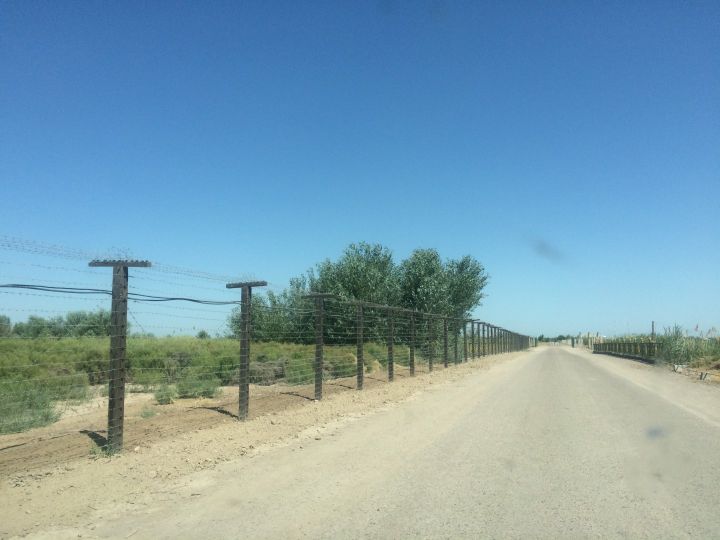
Climate Resilience Road Infrastructures
Natural hazards can cause serious disruption to societies and their transport infrastructure networks. The impact of extreme hazard events is largely dependent on the resilience of societies and their networks. Resilience of critical transport infrastructure to extreme weather events, such as flood, heavy rainfall or drought, is one of the most demanding challenges for both…

 Bapon (SHM) Fakhruddin, PhD