
The Colorado River’s Silent Plea: Act Before It’s Too Late
In a heartfelt exploration of the Colorado River’s current state, it’s evident that water shortage is a pressing issue. The river, which resembles a tree branching out to various states, is in a precarious situation due to prolonged drought. The two largest reservoirs, Lake Mead and Lake Powell, are at a quarter of their capacity, […]
Urgent Action for Tropical Forests and Climate Resilience

In the 19th century, scientists discovered that plant leaves could survive temperatures of up to 50° Celsius, but beyond this threshold, they perished. Fast forward to 2021, a study of 147 tropical plant species found that the average temperature beyond which photosynthesis failed was 46.7°. This is the heartbeat of our planet, the rhythm of […]
Call to Action: Corporate Transparency and Accountability in Ecosystem Restoration
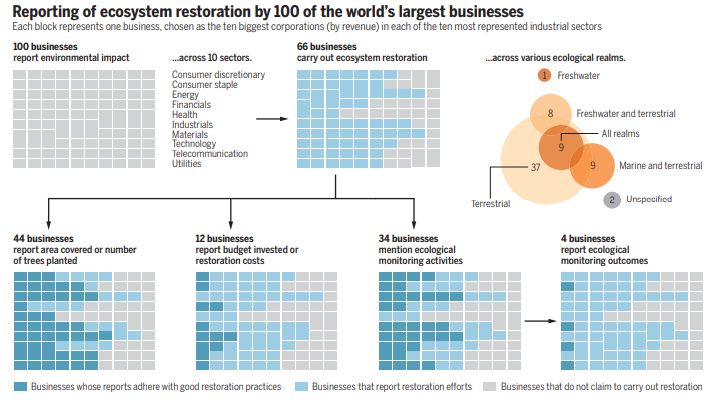
The world’s ecosystems, the lifeblood of our planet, are under severe stress. According to the Intergovernmental Science-Policy Platform on Biodiversity and Ecosystem Services, about 75% of the Earth’s land surface has been significantly altered, and around 66% of the ocean area is experiencing escalating impacts due to human intervention. Large transnational corporations (#TNCs) have a […]
Addressing the Adaptation Finance Gap in Africa
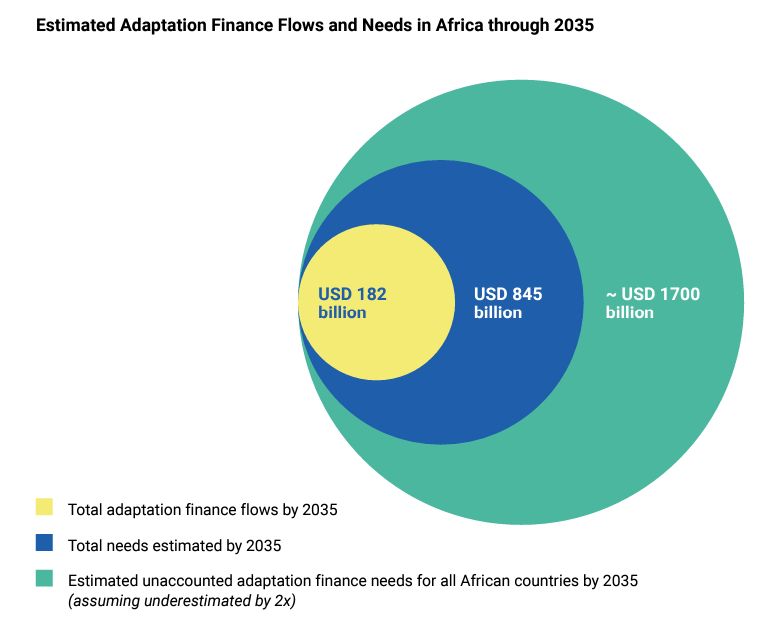
Recent data from Global Center on Adaptation shows that adaptation finance flows in Africa reached only USD 11 billion annually in 2019-2020. While there may be a modest increase in 2021-2022, more is needed. African NDCs estimate that the continent needs USD 53 billion annually for adaptation. However, new research suggests that the actual need […]
Regenerative Agriculture: Sowing the Seeds for a Healthier Planet
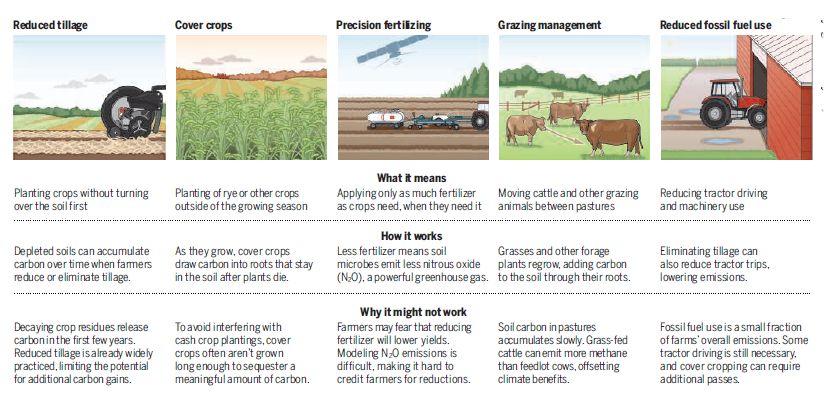
In the face of an escalating climate crisis, one fundamental truth remains unchallenged: our soil, the lifeblood of our food supply, has suffered greatly. Modern agriculture has waged a relentless assault on our planet’s soil, stripping away an astounding 116 billion tons of carbon over the millennia, according to a 2017 study. This process has […]
The Impact of Rising Temperatures on Food Prices
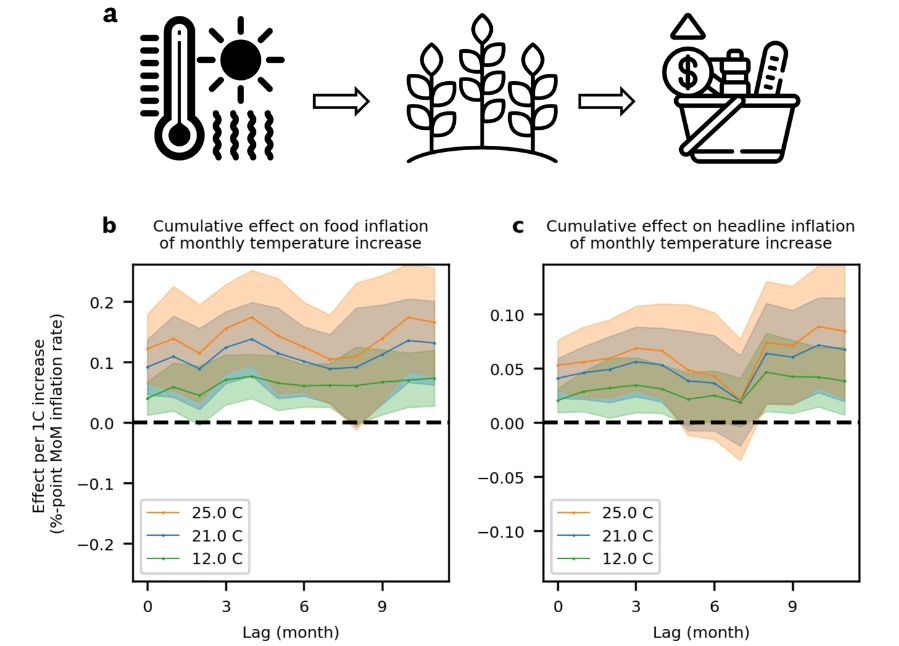
According to a recent Communications Earth & Environment study, higher temperatures have been linked to increased food prices in over 120 countries between 1996 and 2021. Specifically, the researchers found that above-average temperatures in a given month corresponded to 0.9-3.2% higher food prices in the following months. This is likely because heat stress reduces crop […]
Unlocking the Role of Chemodiversity in Freshwater Ecosystem Health

Research increasingly suggests that the health of lakes, rivers and other fresh waters is closely tied to the diversity of dissolved organic matter (DOM). DOM consists of thousands of distinct carbon-based compounds from different plant and animal sources, which make up what scientists call “chemodiversity.” There are four key ways chemodiversity influences ecosystem functioning: Nutrient […]
Advancing Climate Resilience: A Decade of Progress in Somalia
Reflecting on my engagement in Somalia over the past decade, it’s been a profoundly transformative journey. My involvement began with supporting the establishment of their hydrometeorological working group, which was a foundational step towards enhancing the nation’s capacity to understand and respond to climate variability. The subsequent development of a multi-hazard early warning centre marked […]
Leading with Compassion: Transforming Workplace Culture for Success

Truly appreciated spending this week on personal reflection while reading “The Human Moment: The Positive Power of Compassion in the Workplace” by Dr Amy Bradley! In a world where challenges are complex and the pace of change is rapid, the traditional view of leadership – prioritising hierarchical dominance, profits over people, and output over empathy […]
Green Sand Deployment for Carbon Sequestration: A Promising Climate Solution
The oceans currently absorb almost 1/3 of anthropogenic carbon dioxide emissions. By dissolving just one gigatonne of ground olivine mineral per year in shallow seas, atmospheric CO2 could be reduced by 10 parts per million and lower Earth’s temperature by 0.06°C by 2100. This is based on the high emissions scenario modelled where atmospheric CO2 […]