Category: Early Warning
-
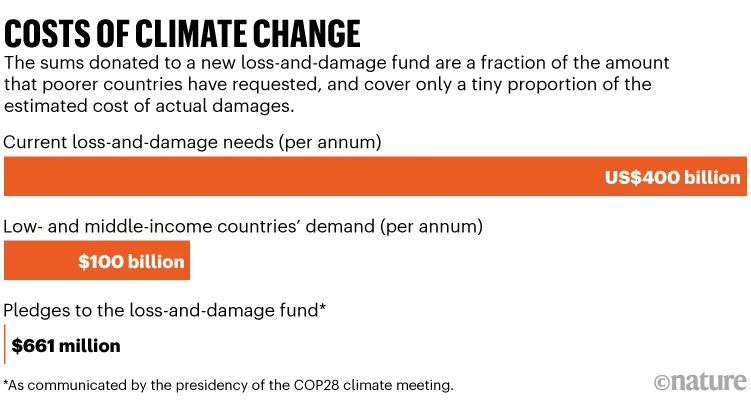
Cost of Climate Change
The historic decision at #COP28 to establish a loss and damage fund marks a new chapter in climate justice. As the first recipients are selected, prioritising principles of fairness, openness, and grassroots-led efforts is essential. Decisions about allocating resources should aim to level the playing field for vulnerable groups and be made transparently. Most importantly,…
-

The 5 Resets: Rewiring for Resilience in a High-Stress World
A nice read on “5 Resets” as described by Aditi Nerurkar to rewire our brain and body for less stress and more resilience! The First Reset: Get Clear on What Matters Most• Take time to reflect on your values and what is truly important to you.• Prioritize your tasks and responsibilities based on these values.•…
-
Leveraging Climate Finance and Blended Funding for Water Resilience
Closing the vast financing gap for water security and climate resilience will require mobilizing funds from multiple sources – public, private, and innovative climate finance mechanisms – and blending them effectively. Traditional funding (government budgets and aid) is insufficient on its own, given estimates that $114–150 billion per year is needed to meet global water and…
-
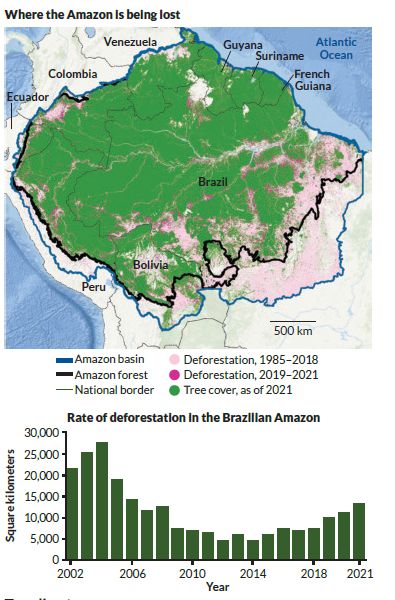
Urgent Action for Tropical Forests and Climate Resilience
In the 19th century, scientists discovered that plant leaves could survive temperatures of up to 50° Celsius, but beyond this threshold, they perished. Fast forward to 2021, a study of 147 tropical plant species found that the average temperature beyond which photosynthesis failed was 46.7°. This is the heartbeat of our planet, the rhythm of…
-
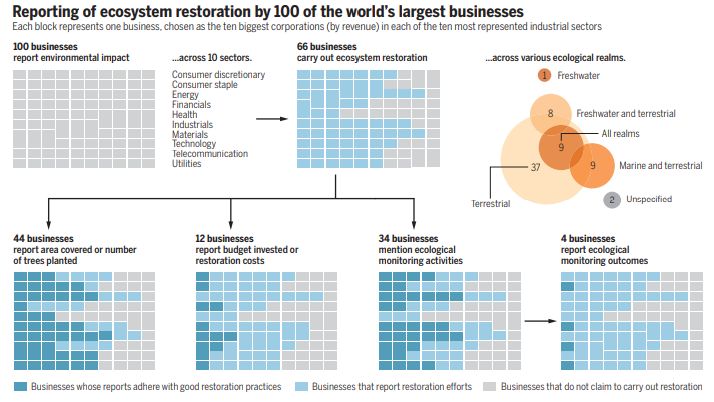
Call to Action: Corporate Transparency and Accountability in Ecosystem Restoration
The world’s ecosystems, the lifeblood of our planet, are under severe stress. According to the Intergovernmental Science-Policy Platform on Biodiversity and Ecosystem Services, about 75% of the Earth’s land surface has been significantly altered, and around 66% of the ocean area is experiencing escalating impacts due to human intervention. Large transnational corporations (#TNCs) have a…
-
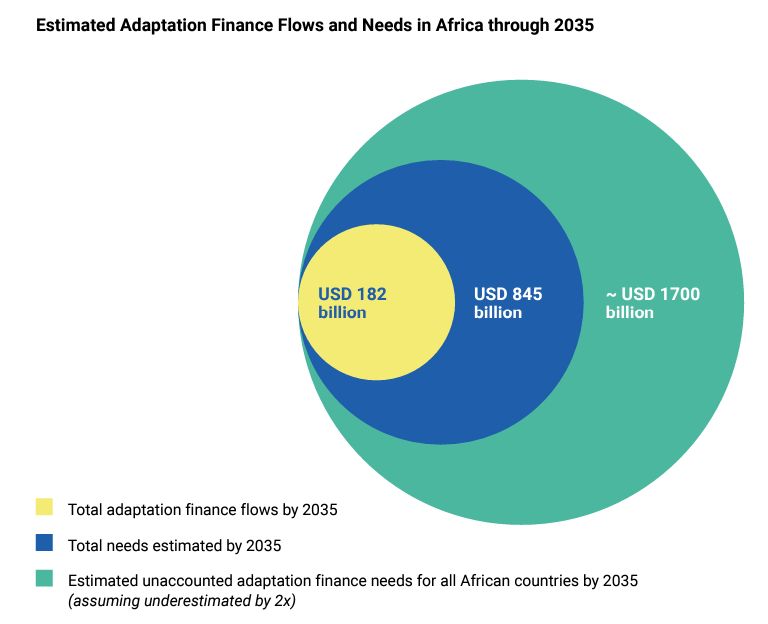
Addressing the Adaptation Finance Gap in Africa
Recent data from Global Center on Adaptation shows that adaptation finance flows in Africa reached only USD 11 billion annually in 2019-2020. While there may be a modest increase in 2021-2022, more is needed. African NDCs estimate that the continent needs USD 53 billion annually for adaptation. However, new research suggests that the actual need…
-
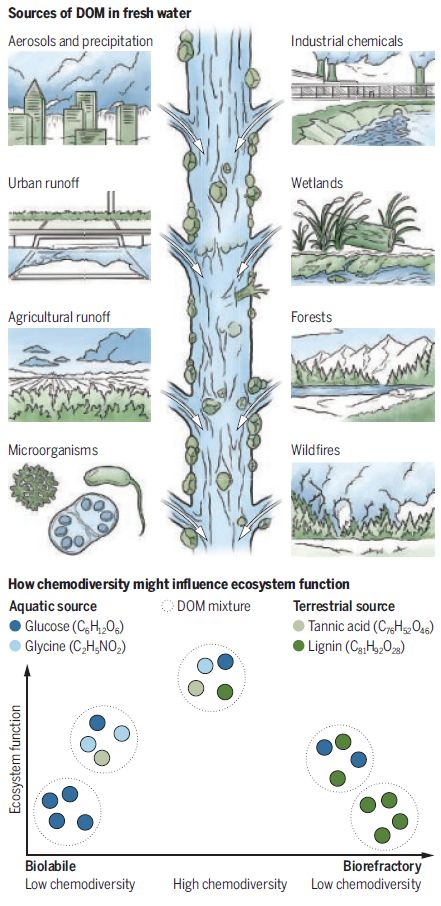
Unlocking the Role of Chemodiversity in Freshwater Ecosystem Health
Research increasingly suggests that the health of lakes, rivers and other fresh waters is closely tied to the diversity of dissolved organic matter (DOM). DOM consists of thousands of distinct carbon-based compounds from different plant and animal sources, which make up what scientists call “chemodiversity.” There are four key ways chemodiversity influences ecosystem functioning: Nutrient…
-

Leading with Compassion: Transforming Workplace Culture for Success
Truly appreciated spending this week on personal reflection while reading “The Human Moment: The Positive Power of Compassion in the Workplace” by Dr Amy Bradley! In a world where challenges are complex and the pace of change is rapid, the traditional view of leadership – prioritising hierarchical dominance, profits over people, and output over empathy…
-
Green Sand Deployment for Carbon Sequestration: A Promising Climate Solution
The oceans currently absorb almost 1/3 of anthropogenic carbon dioxide emissions. By dissolving just one gigatonne of ground olivine mineral per year in shallow seas, atmospheric CO2 could be reduced by 10 parts per million and lower Earth’s temperature by 0.06°C by 2100. This is based on the high emissions scenario modelled where atmospheric CO2…
 Bapon (SHM) Fakhruddin, PhD