Category: Disaster risk reduction
-
A Decade of Building Climate Resilience in Somalia Through Early Warning Systems
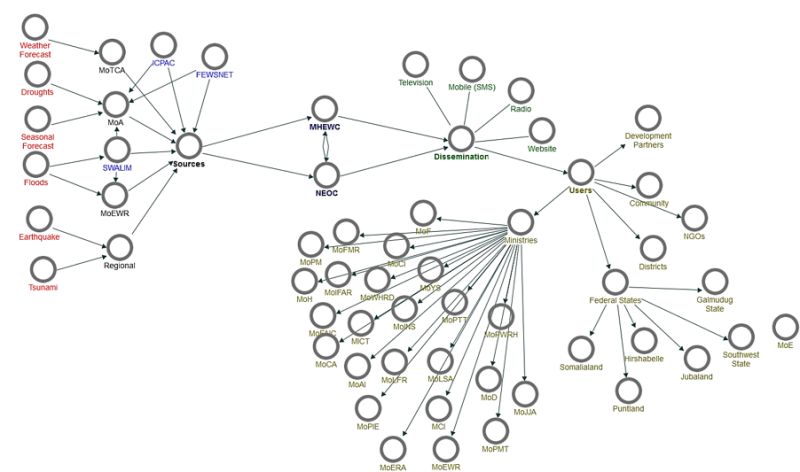
Reflecting on my engagement in Somalia over the past decade, it’s been a profoundly transformative journey. My involvement began with supporting the establishment of their hydrometeorological working group, which was a foundational step towards enhancing the nation’s capacity to understand and respond to climate variability. The subsequent development of a multi-hazard early warning centre marked…
-
The Brown Ocean Effect: How Warm, Wet Land Is Re-Energizing Cyclones
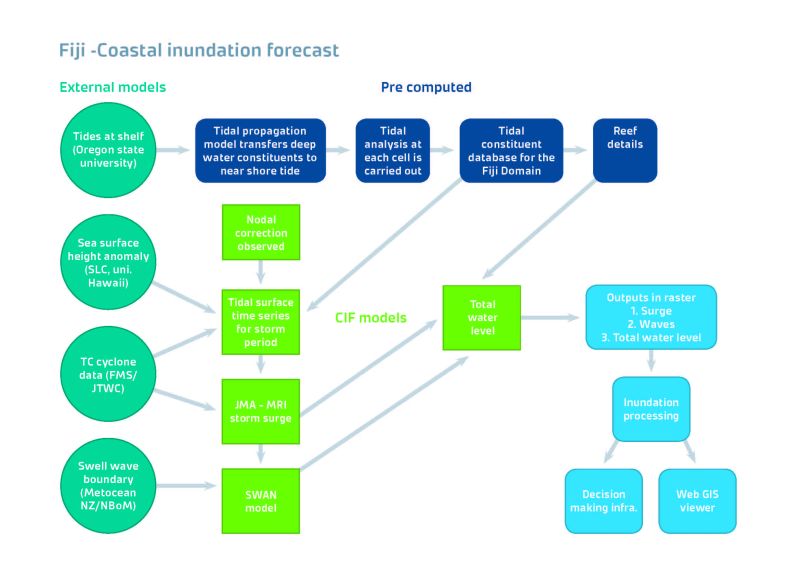
Cyclones typically lose power once they move over land. However, new research shows that if the storm passes over warm, soaked ground, the moisture and heat from the soil can re-energize the hurricane. This mimics the way that the warm ocean usually fuels the storms. As climate change increases extreme weather events, understanding this phenomenon…
-
The Escalating Threat of Flash Droughts
The graph shows that the risk of flash droughts is increasing in every region of the world. The black line shows historical data, and the three colored lines show three different possible future scenarios of greenhouse gas emissions. The shaded regions indicate the variability among the averages between all six models for each scenario. As…
-
Urgent Action for Tropical Forests and Climate Resilience
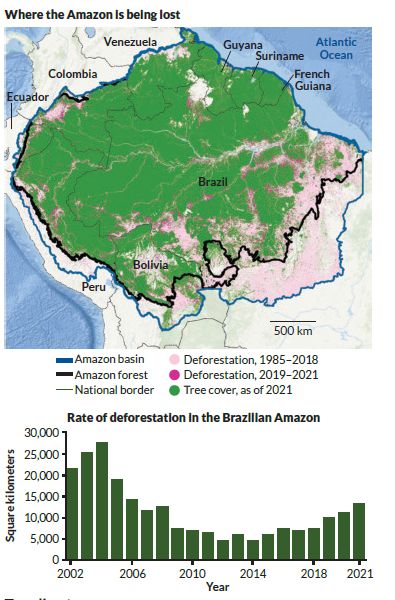
In the 19th century, scientists discovered that plant leaves could survive temperatures of up to 50° Celsius, but beyond this threshold, they perished. Fast forward to 2021, a study of 147 tropical plant species found that the average temperature beyond which photosynthesis failed was 46.7°. This is the heartbeat of our planet, the rhythm of…
-

The Brown Ocean Effect: How Soil Moisture Re-energizes Cyclones
Cyclones typically lose power once they move over land. However, new research shows that if the storm passes over warm, soaked ground, the moisture and heat from the soil can re-energize the hurricane. This mimics the way that the warm ocean usually fuels the storms. As climate change increases extreme weather events, understanding this phenomenon…
-

Are we there yet? The transition from response to recovery for the COVID-19 pandemic
Disaster risk reduction
-

Sinking, swimming and surfing- risk communications of uncertainties of the pandemic
Uncertainties in the COVID-19 impact assessment are inevitable. In order to understand various approaches to uncertainty and model implications, they need to holistically analyze. An inherently high level of uncertainty is associated with pandemic assessments derived with parametric approaches. While higher degrees of accuracy may be achieved with data-intensive based models, uncertainties are still associated…
-
Disaster and Data Newsletter- April 2020
Read April 2020 Edition of our #DRR and #Data Newsletter on behalf of #Disaster DATA Working Group of Integrated Research on Disaster #Risk(IRDR) programme of ICS/UNISDR, CODATA task group Linked Open Data for #Global Disaster Risk #Research (LODGD), #SustainableDevelopment #Solution #Network, Public #Health England and Tonkin+Taylor. Feel free to subscribe! https://tonkintaylor.cmail19.com/t/ViewEmail/t/EE0AD84805B9C2B02540EF23F30FEDED/19002BF28E5507822018F019E6F15D33
-
Understanding Risk Finance Pacific Forum – Vanuatu
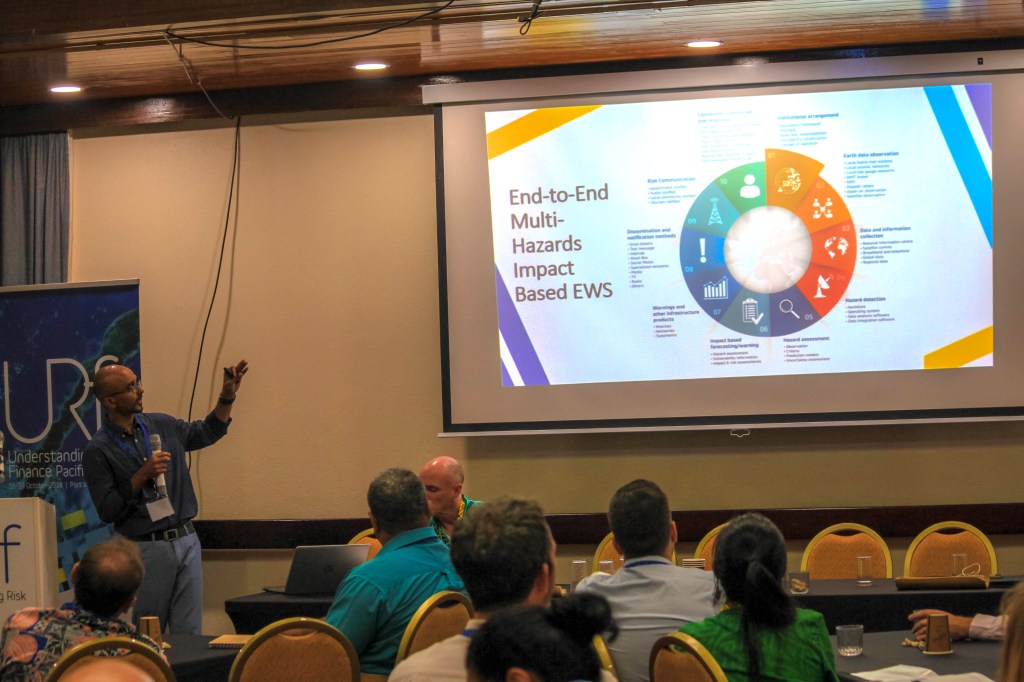
The Understanding Risk Finance Pacific Forum was recently held in Vanuatu, with policymakers, financial risk managers and development partners from the region and around the globe converging upon Port Vila to strengthen regional collaboration in the Pacific. Co-organised by the Government of Vanuatu’s Ministry of Finance and Economic Management (MFEM) and the World Bank’s Disaster…

 Bapon (SHM) Fakhruddin, PhD