Category: Disaster risk reduction
-
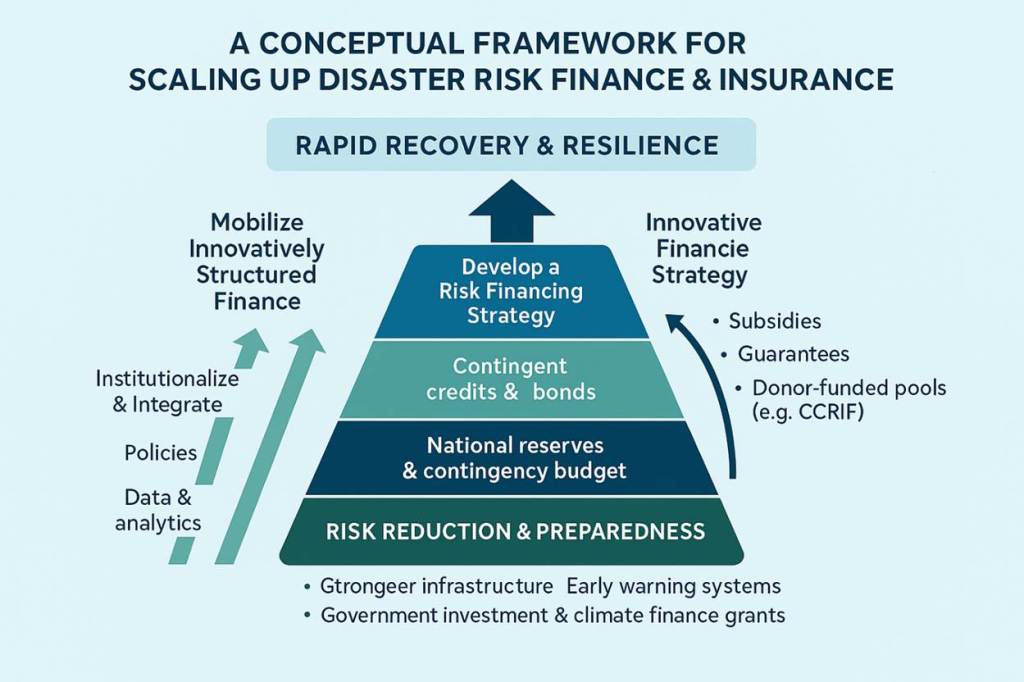
Empowering a resilient future through innovative climate financing
https://doi.org/10.5281/zenodo.18593780 Water and Climate Leader @ Green Climate Fund | Strategic Investment Partnerships and Co-Investments| Professor| EW4ALL| Board Member| Chair- CODATA TG February 5, 2026 Climate-related hazards are increasing in frequency and severity, threatening decades of development gains. Last year alone, extreme floods, storms, and droughts caused hundreds of billions in economic losses worldwide and…
-
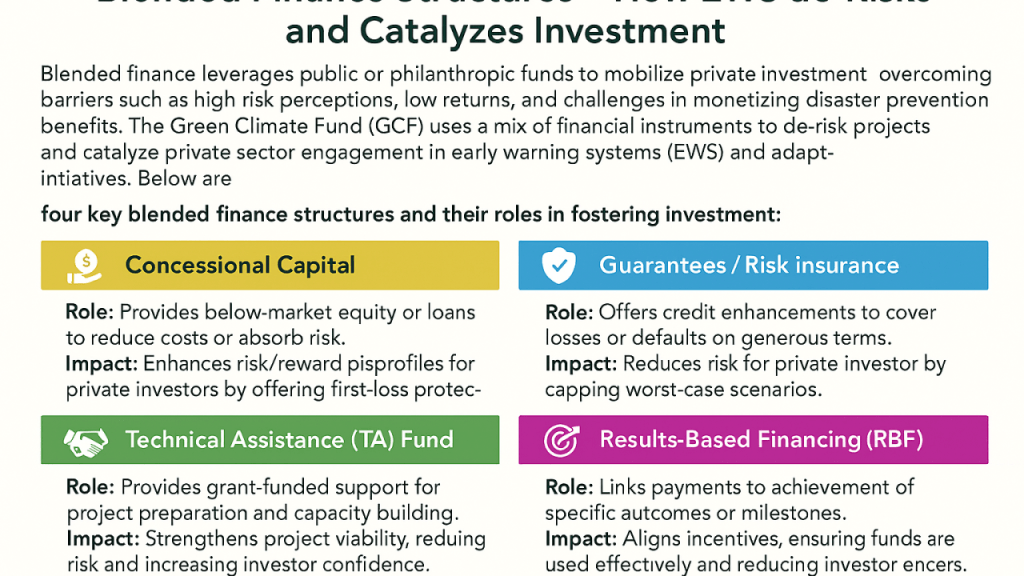
How EWS could De-Risk and Catalyse Investment
Given the scale of need (the EW4All initiative estimates $3.1 billion needed by 2027 to cover global EWS gaps), public finance alone won’t suffice. So far, most EWS projects are grants in the public sector. A potential growth area is innovative financing for EWS and early action for example, we could expand support for parametric…
-
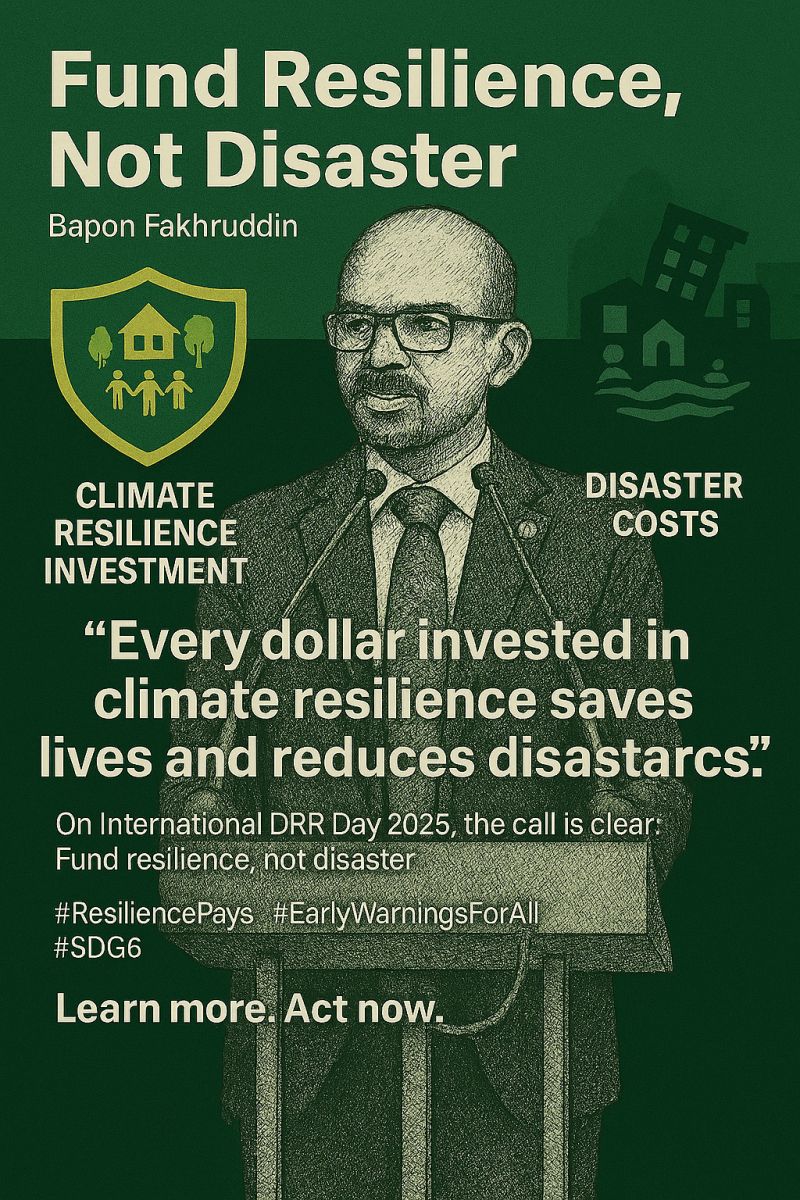
Fund Resilience, Not Disaster: Prioritising Climate Risk Reduction
Today, on the International Day for Disaster Risk Reduction (#DRRday), I echo and amplify the message “Fund resilience, not disaster”. In simple terms, this means invest now in what will keep us safe, so we aren’t left paying the price of disasters later. My highlights for two key priorities- Significantly increase financing for climate risk…
-
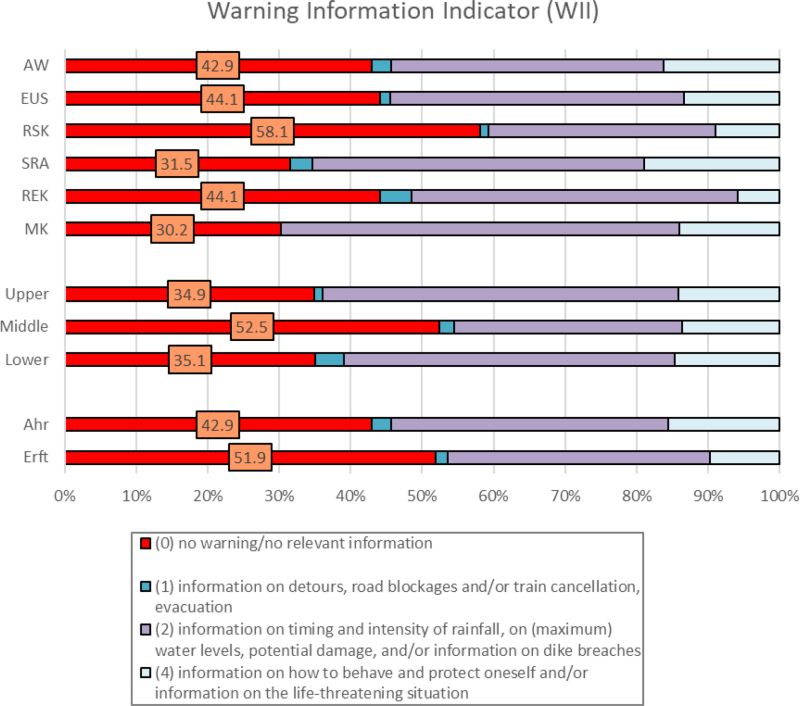
Strengthening Flood Early Warning Systems in Germany: Lessons from the 2021 Tragedy
A nice article by Anna Heidenreich, Heather J. Murdock, and Annegret H. Thieken, supported by Germany’s Federal Ministry of Education and Research, sets out to assess how warning performance varies both between administrative districts and across watershed segments. This investigation was instigated by the tragic losses during the 2021 flood event, which, despite the existence…
-
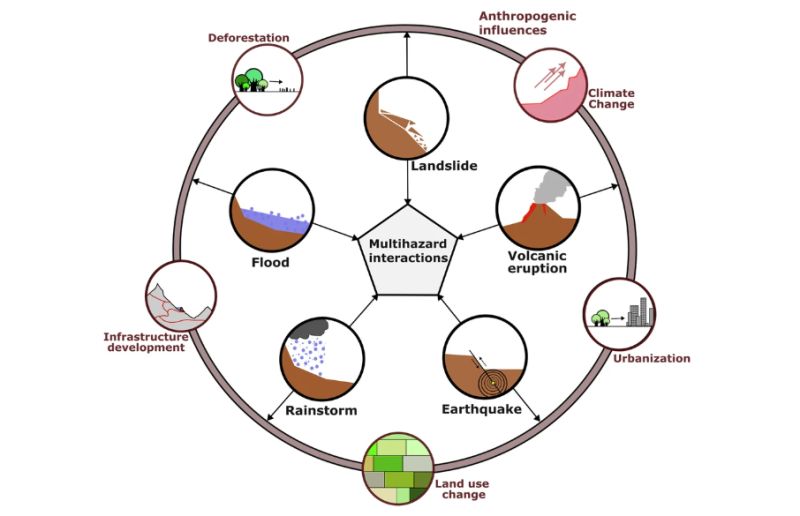
Embracing a Multihazard Approach to Disaster Risk Reduction
To effectively reduce disaster risks, we must adopt integrated approaches that account for natural and human-driven interconnected hazards. A proposed redefinition frames hazards as processes influenced by environmental and anthropogenic factors, allowing better cross-sectoral communication and policy development. Frameworks like the Sendai Framework for Disaster Risk Reduction emphasize multihazard strategies, including risk assessments, early warning…
-
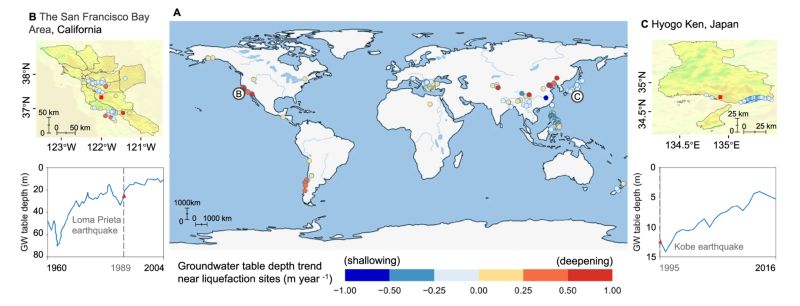
Rising Groundwater Levels Amplify Seismic Risks Through Soil Liquefaction
Around the globe, nations are grappling with water scarcity driven by climate change, urbanization, and resource exploitation. To combat this, large-scale groundwater restoration projects are underway, replenishing depleted aquifers and securing water for millions. However, emerging evidence reveals an urgent and global challenge: the unintended seismic risks posed by rising sea level rise, groundwater tables,…
-
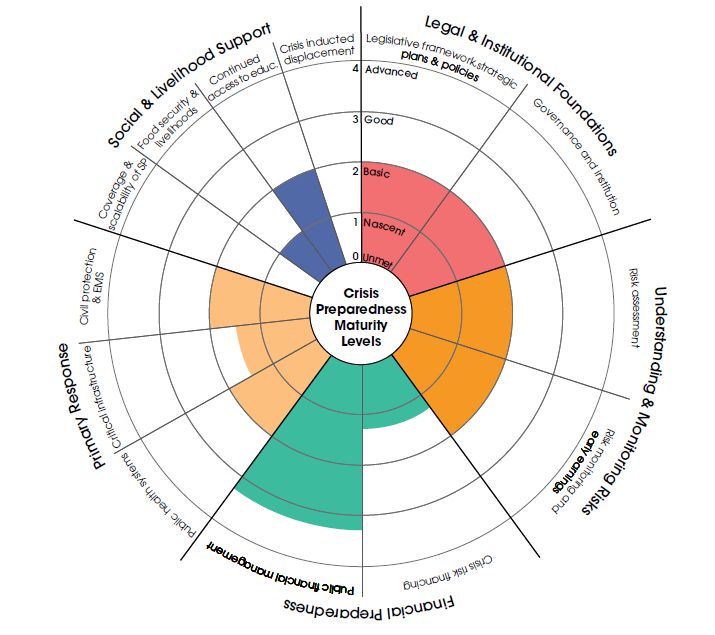
Strengthening Bhutan’s Crisis Preparedness for Climate and Disaster Resilience
The recent Crisis Preparedness Gap Analysis (CPGA) by The World Bank highlights the urgent need to address Bhutan’s vulnerabilities to crises, particularly its exposure to natural hazards, the impacts of climate change, fragile infrastructure, and emergent social challenges. Bhutan has made progress, including enacting the Disaster Management Act of 2013, but there remains a pressing…
-
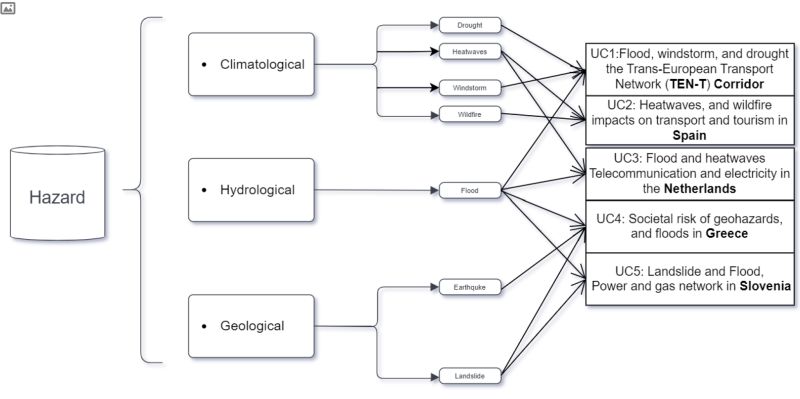
Cascading Hazards and What They Mean for Infrastructure and Safety
Natural hazards rarely occur in isolation. A single event, such as an earthquake, can trigger secondary hazards like landslides or tsunamis, creating a cascading effect. Similarly, hazards like heatwaves and wildfires often compound, amplifying their impacts. Ignoring these interconnections can lead to underestimating risks, jeopardizing infrastructure, and endangering lives. This project has meticulously analyzed seven…
-
Strengthening Early Warning Systems for Global Climate Resilience
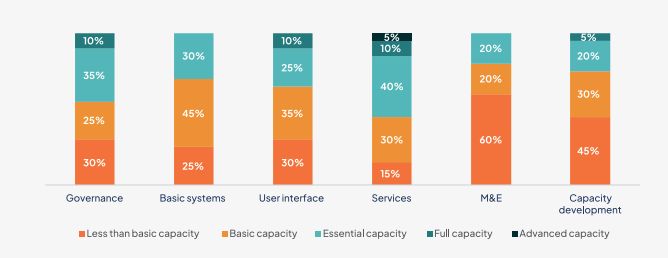
The Hydromet Gap Report 2024, produced by the Alliance for Hydromet Development, summarized critical gaps we must urgently address. It reveals that many NMHS in the developing world face severe resource constraints, knowledge gaps, outdated infrastructure, and limited data sharing – hampering their ability to deliver the early warnings and climate services communities need. For…
-
Urban Subsidence as a Growing Global Climate and Development Risk
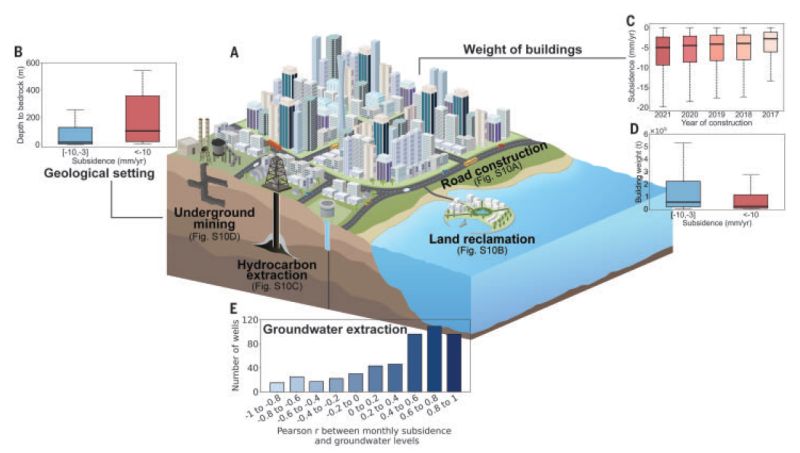
In recent years, we have seen alarming rates of subsidence in major cities around the world. From Jakarta to Mexico City, from Venice to Shanghai, the ground beneath millions of people is literally sinking. In China alone, a systematic assessment using spaceborne synthetic aperture radar interferometry has revealed that almost half of the urban land…
 Bapon (SHM) Fakhruddin, PhD