Category: climate change
-
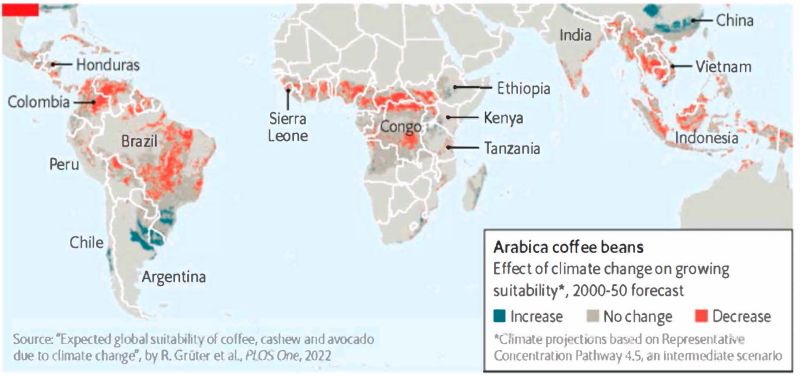
Brewing a Crisis: Climate Change Threatens Global Coffee and Millions of Livelihoods
#climatechange poses a major threat to coffee production, with up to 75% of land in Brazil and 58% globally potentially becoming unsuitable by 2050. Moving to higher altitudes can help but has limitations. Agroforestry techniques like providing plant shade can also help coffee withstand higher temperatures. The coffee industry supports the livelihoods of over 125…
-
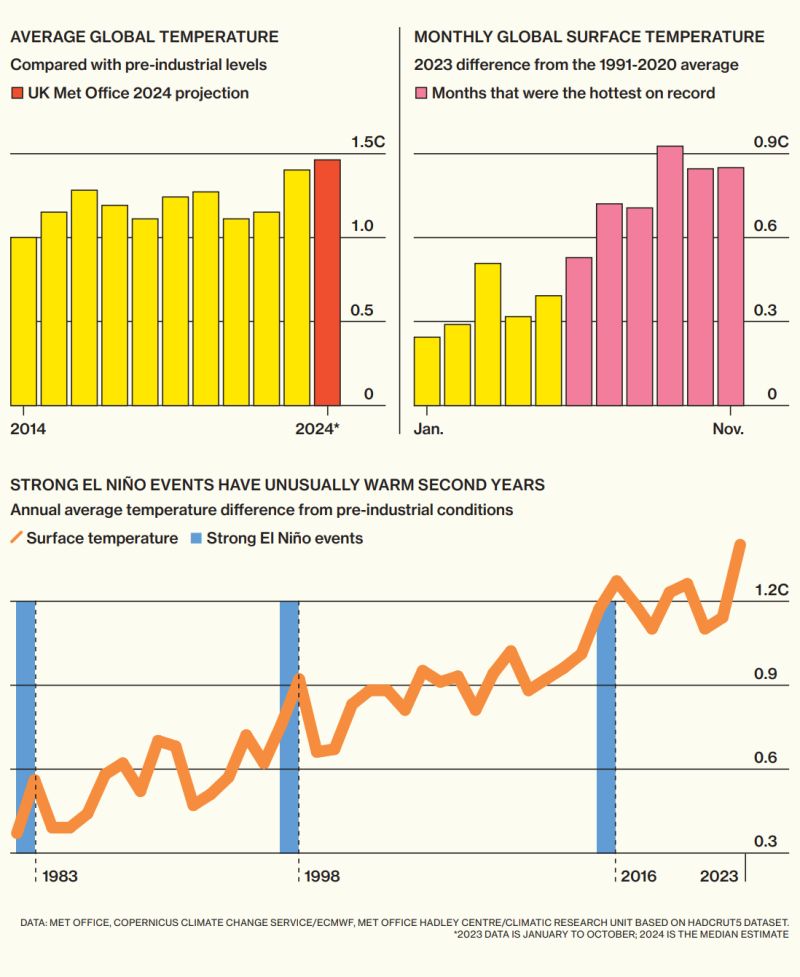
Global Warming Trends and the Imperative for Urgent Climate Action
2023 was the 5th warmest globally, capping off the last nine years as the nine hottest in recorded history. And the warming trend is accelerating – the past eight years are the eight warmest. The climate models forecast this. We are now living it. On top of this human-caused warming, natural climate cycles like El…
-
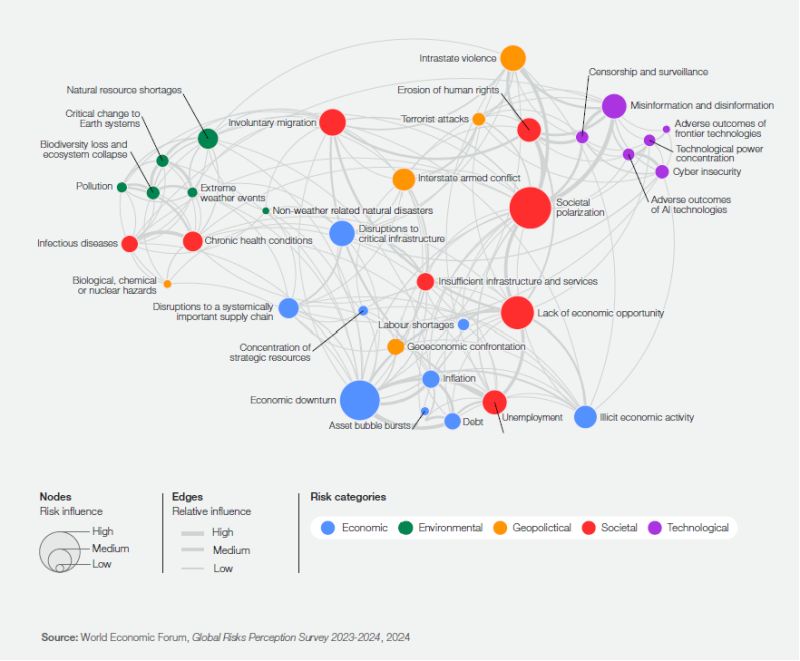
Tech for Climate Adaptation: Harnessing Innovation to Manage Risk and Build Resilience
The report, developed by the Tech for Climate Adaptation Working Group under the World Economic Forum’s Centre for the Fourth Industrial Revolution, suggests that while technology cannot replace the need for GHG mitigation, it can help manage climate impacts and provide competitive advantages for early adopters. The document outlines how technology can assist in comprehending…
-

Why Climate Liability Demands Scenario Planning Now
The potential financial impacts of emerging climate liability law present profound uncertainties for economies worldwide. Quantifying the vast array of possible legal outcomes remains deeply complex and scenario-dependent. Yet even back-of-the-envelope analyses indicate exposures in the trillions of dollars for major carbon producers. Chevron alone faces over $8.6 trillion in potential liability based on the…
-
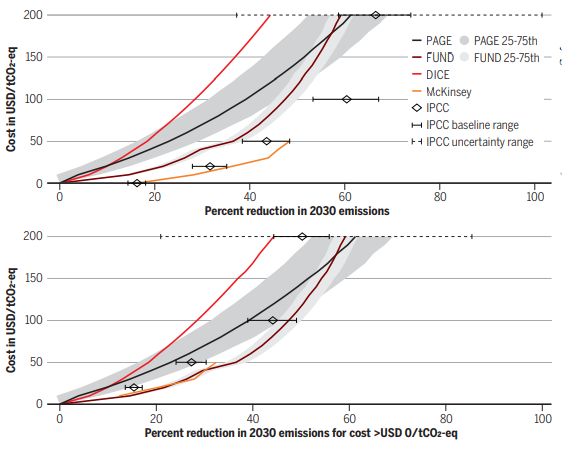
The Cost of Climate Action vs. the Cost of Inaction
We stand at a pivotal moment in our fight against #ClimateChange. As we address #GHGemissions, a critical question emerges – what is the true cost of meaningful #ClimateAction?The #IPCC and leading #IAMs show striking differences. The IPCC suggests substantial reductions are possible at low/negative costs. But economic models indicate higher overall costs. This discrepancy has…
-
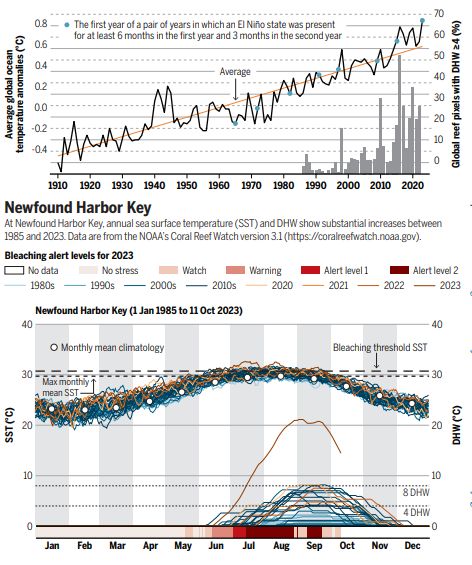
Unprecedented Coral Reef Loss Under Escalating Marine Heatwaves
The dire findings in this latest report on the unprecedented damage to coral reefs worldwide must shock the global conscience into urgent climate action. Marine ecosystems hang in the balance as oceans undergo sweeping changes at a breakneck pace. Coral reefs are dying! We have already breached the safe limit of 1.5°C warming. Marine heatwaves…
-
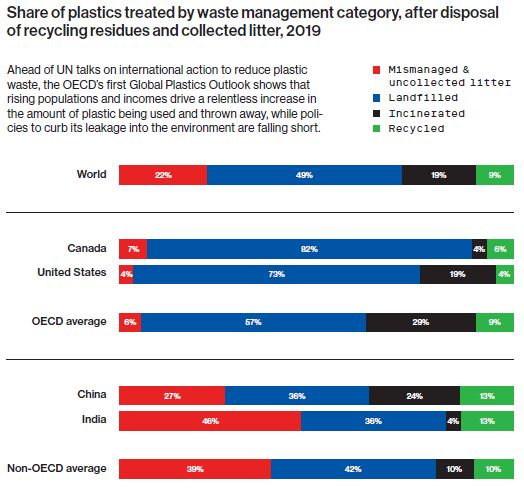
Drowning in Plastic: The Urgent Need to Tackle the Crisis Upstream
We have already created 11 billion metric tons of plastic, surpassing the combined weight of all terrestrial and marine animals. Every year, we add another 430 million tons to this total. A significant portion of this is single-use plastic, briefly used and then discarded without a second thought. The economic loss is equally alarming. We…
-
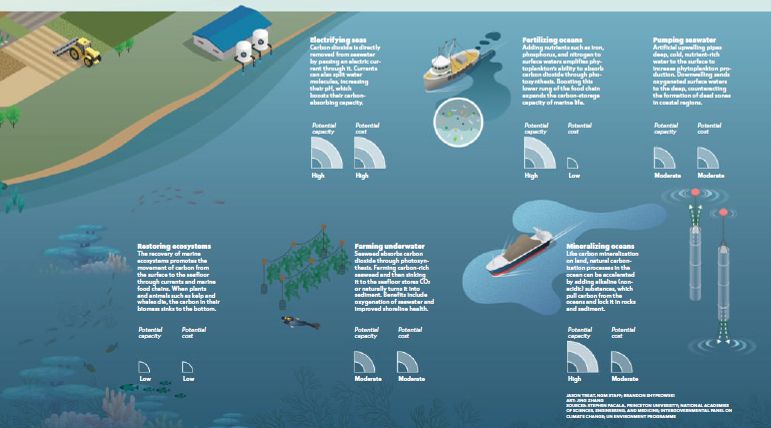
Responsible Pathways for Ocean Carbon Removal
The health of our oceans offers promise in the fight against climate change, but only if we act decisively to leverage their potential responsibly and equitably. The ocean naturally absorbs over a quarter of annual carbon emissions. We can optimise this process by protecting marine ecosystems and enhancing natural ocean carbon sinks. Mangroves, seagrasses, and salt…
-

5MinutesToChangeTheWorld
#5MinutesToChangeTheWorld: What rich and poor countries can learn from how we spend our days- The recent global study on how humans allocate time revealed that across nations, we only spend around 5 minutes per day on activities directly related to energy, waste and environmental impact. On average, we spend about a third of each day…
-
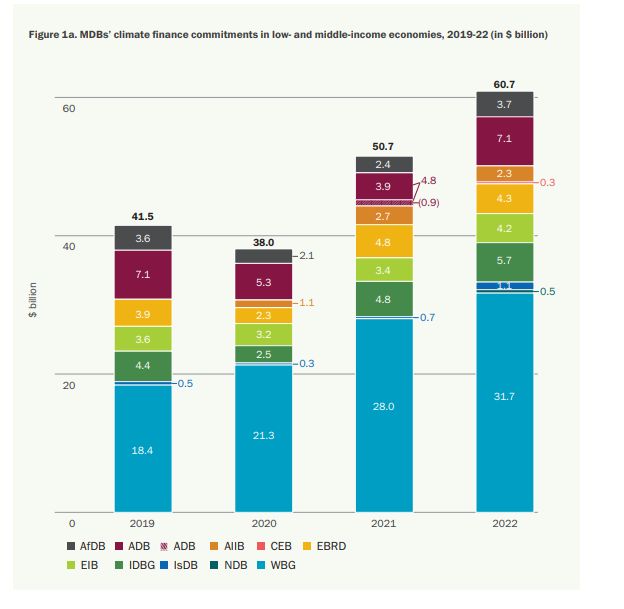
Accelerating Global Action Through the Green Climate Fund
The 2022 Joint Report on Multilateral Development Banks’ Climate Finance highlights the urgent need to scale up efforts to meet the climate crisis. While climate financing has increased, current commitments fall short of the vast requirements developing countries face. The report identifies critical gaps like lack of funding for adaptation, difficulties in leveraging private finance,…
 Bapon (SHM) Fakhruddin, PhD