Category: climate change
-
Global Multiyear Droughts Intensify with Severe Ecological and Human Impacts
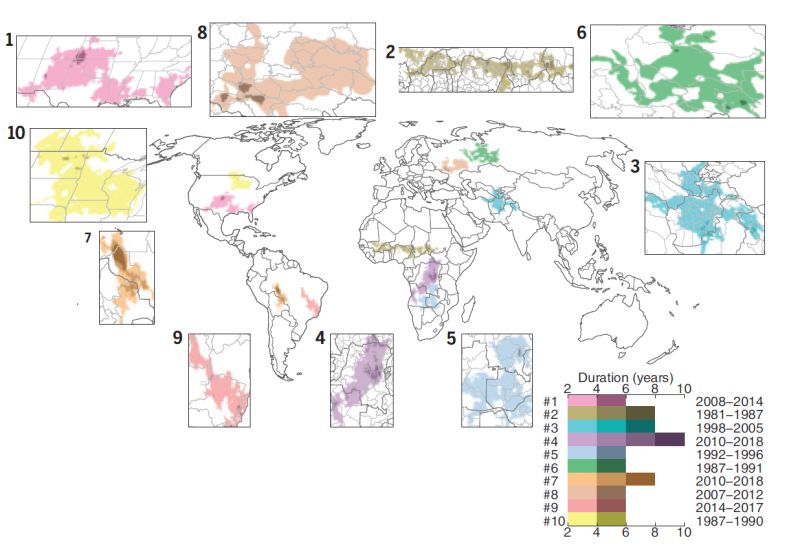
Over the 38-year period from 1980 to 2018, researchers identified 13,176 distinct multiyear droughts (MYD) events across the globe. The top 10 most severe droughts are extraordinary in their scale, duration, and impact. These events occurred across continents, sparing none except Australia. They were ranked based on their affected area, duration, and the severity of…
-
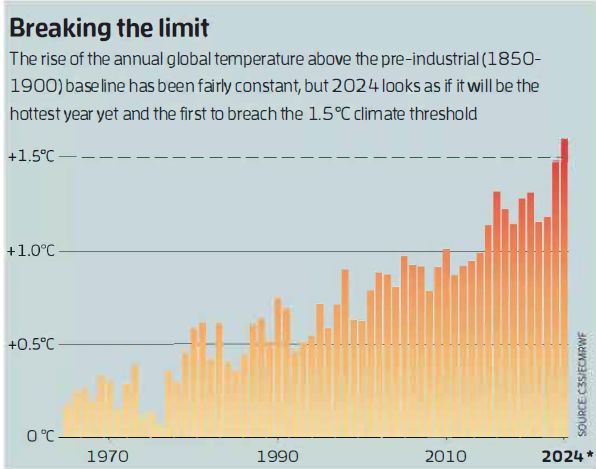
2024 Surpasses 1.5°C Threshold Signaling Urgent Climate Action Needed
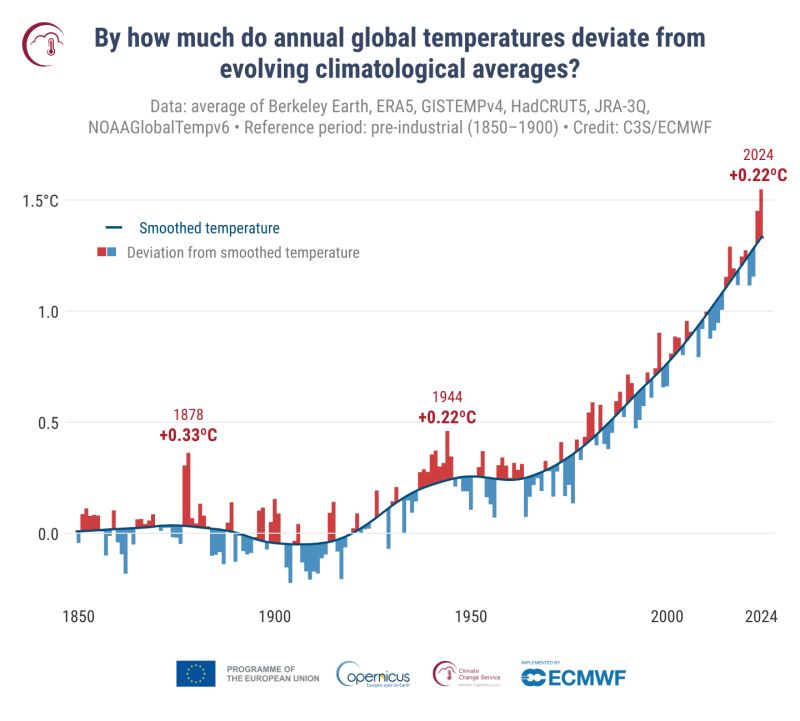
As we step into 2025, the climate data from 2024 remind us of the accelerating impacts of global warming. For the first time, the average global temperature exceeded 1.5°C above pre-industrial levels—a critical threshold outlined in the Paris Agreement to mitigate the risks of climate change. With a global average temperature of 15.10°C, 2024 surpassed…
-
Urgent Action Needed to Protect the Cryosphere and Global Water Security
The latest State of the Cryosphere Report presents deeply concerning evidence of accelerating ice loss and its cascading impacts on global water resources and climate systems. Let me highlight several critical findings: We are witnessing unprecedented rates of cryosphere decline. Mountain glaciers globally set record losses in 2023-2024, with some regions like Sweden showing the…
-
The Silent Reordering of the Worlds’ Rivers
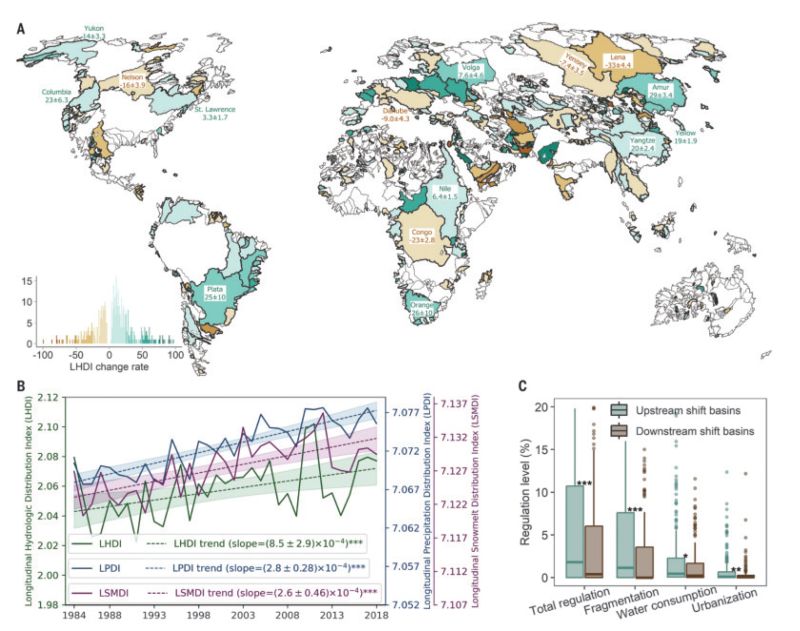
Recent research has revealed a startling trend: the flow of our global rivers is shifting. From 1984 to 2018, mapped daily streamflow in nearly 2.9 million rivers worldwide. The findings show river outlets are experiencing significant decreases in flow, while headwaters are seeing increases. This upstream shift in streamflow now affects 29% of the global…
-
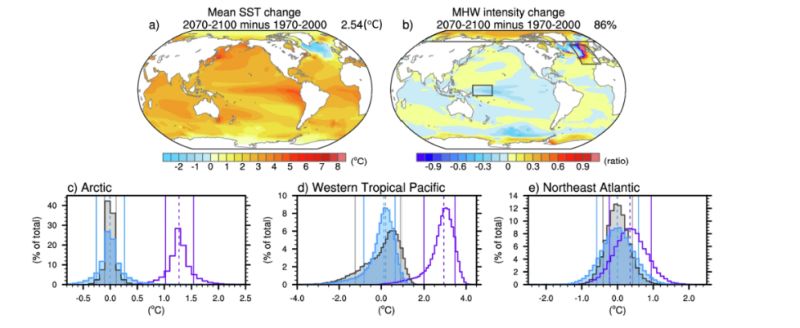
The Silent Crisis Beneath the Waves: Why Marine Heatwaves Matter to Us All
When we think about climate change, we often picture melting glaciers, rising sea levels, or extreme weather events like hurricanes and wildfires. But there’s another silent yet devastating consequence of our warming planet that doesn’t get enough attention: marine heatwaves (MHWs). These events, defined as prolonged periods of unusually high ocean temperatures, are becoming more…
-

Podcasts as a Catalyst for Climate Education and Action
The explosive growth of podcasts has revolutionized how we share and consume information, creating an unprecedented opportunity for climate education. What started as simple audio shows has evolved into dynamic video content reaching millions worldwide, transforming how we connect with complex issues like climate change. I’ve seen firsthand how podcasts break down barriers between experts…
-
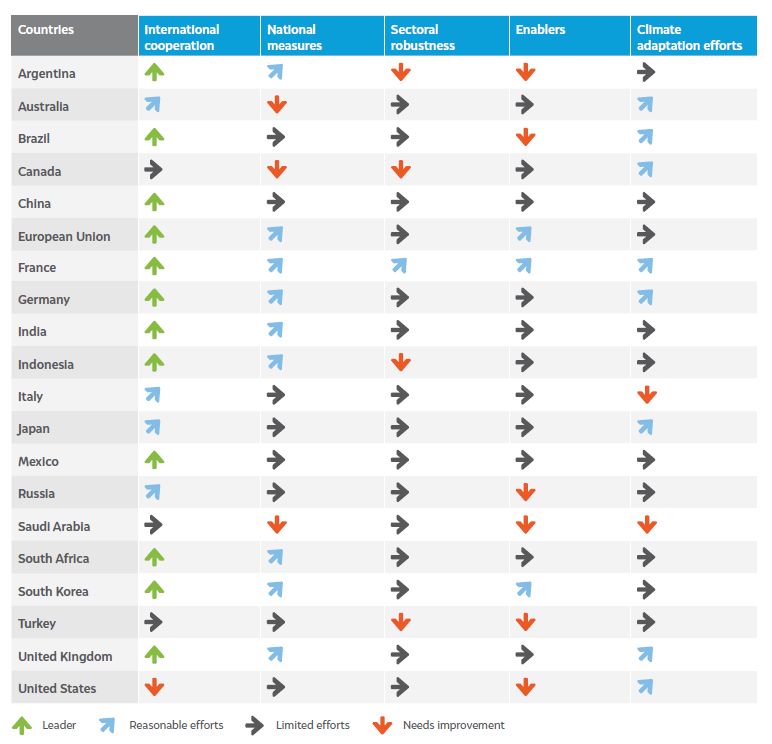
G20 Climate Accountability: Closing the Gap Between Commitments and Action
A recent report by the Council on Energy, Environment and Water (CEEW) highlights the mixed progress of #G20 countries in fulfilling their climate commitments. While some nations have made significant advances in renewable energy and emissions reduction, others must catch up due to political inertia and inadequate financial mechanisms. The report calls for greater accountability…
-
COP29: Unlocking Adaptation Finance and Political Will for Urgent Climate Action
The urgency to tackle climate change is more pressing than ever and let’s ACT now at #COP29. This #COP29 is pivotal for addressing the political and financial obstacles that have stalled meaningful climate action. The world is watching, and the stakes are incredibly high. Adaptation finance is crucial to the #NCQG on climate finance, a…
-
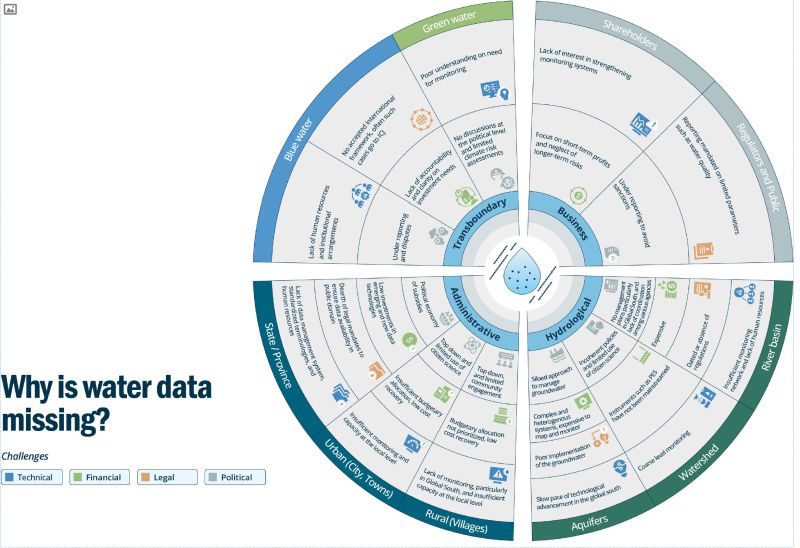
Transforming Water Governance Through Data
We are at a pivotal moment in managing water, our planet’s most essential resource. The Global Commission on the Economics of Water’s report highlights that the global water cycle is imbalanced, threatening our water security, sustainable development, climate change efforts, and biodiversity. A key factor in addressing these challenges is data, which is crucial for…
-

Global Water Security and Climate Resilience
#Watersecurity is a critical global challenge, with 25 countries experiencing extremely high water stress, affecting one-quarter of the world’s population. By 2050, an additional 1 billion people could face extreme water stress, and 31% of global GDP ($70 trillion) may be exposed to high water stress. The Green Climate Fund has mobilized $2.8 billion for…
 Bapon (SHM) Fakhruddin, PhD