Category: climate change
-
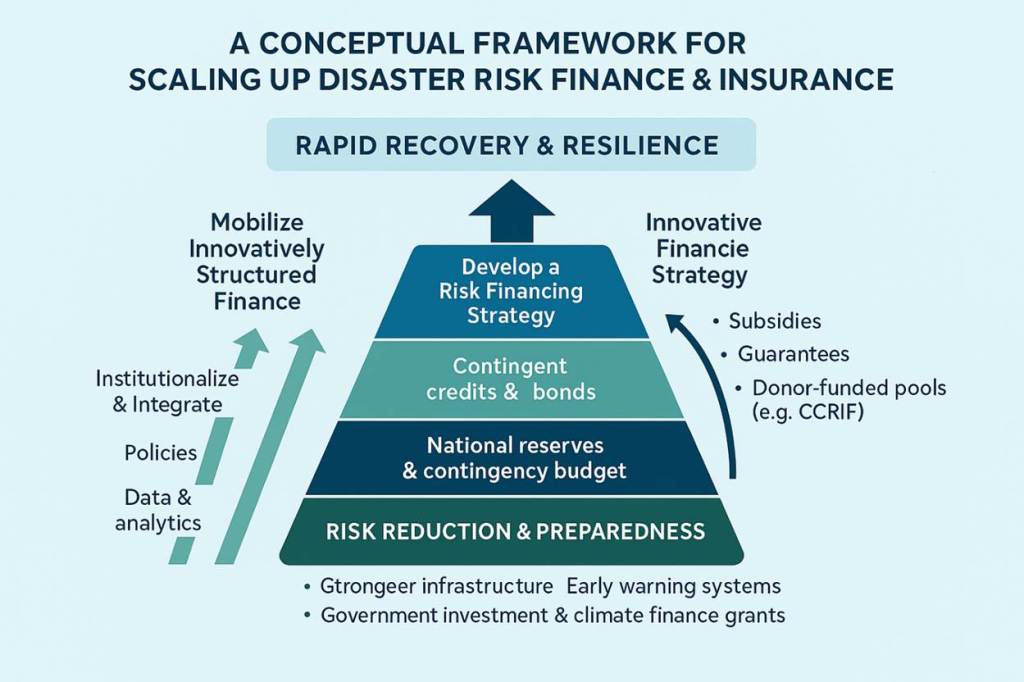
Empowering a resilient future through innovative climate financing
https://doi.org/10.5281/zenodo.18593780 Water and Climate Leader @ Green Climate Fund | Strategic Investment Partnerships and Co-Investments| Professor| EW4ALL| Board Member| Chair- CODATA TG February 5, 2026 Climate-related hazards are increasing in frequency and severity, threatening decades of development gains. Last year alone, extreme floods, storms, and droughts caused hundreds of billions in economic losses worldwide and…
-
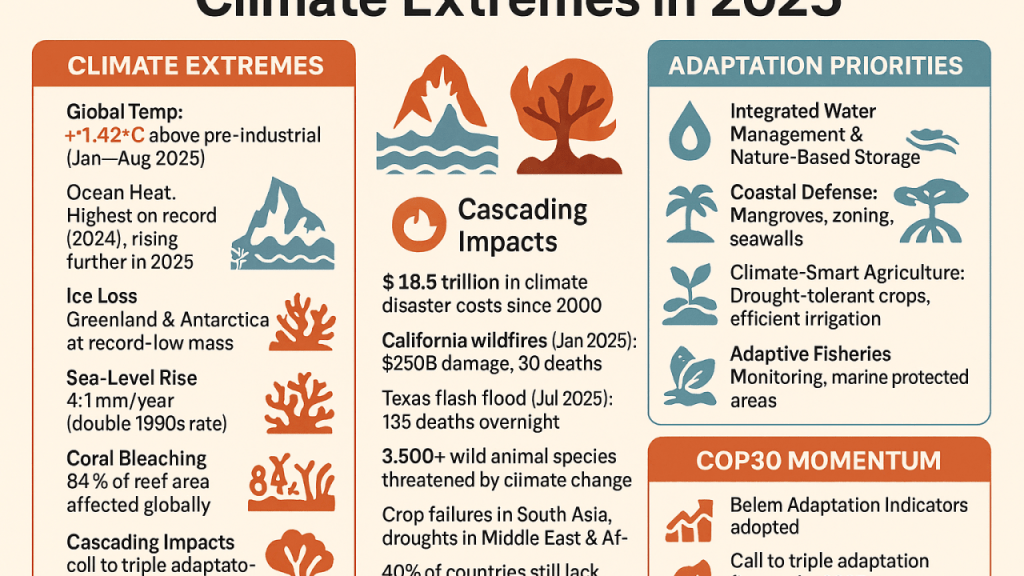
Tipping Point Earth: Climate Cascades and the Urgency of Adaptation in 2025
In 2025, the planet’s climate system is flashing red. Global temperatures from January to August averaged 1.42 °C above pre-industrial levels, making 2025 likely the second- or third-warmest year on record. Ocean heat content reached a new peak in 2024 and continues to rise, with over 90% of excess heat from global warming absorbed by the…
-
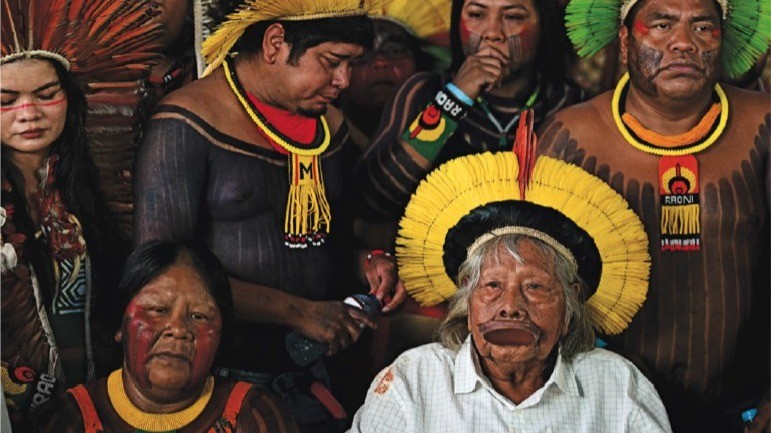
Ko au te awa, ko te awa ko au” – I am the river, and the river is me
Indigenous communities in New Zealand and Brazil offer powerful models of water stewardship rooted in cultural reverence and ecological responsibility. The Māori of Aotearoa treat water as a living ancestor, guided by the principle of Te Mana o te Wai, which prioritises the health of water above all other uses. This philosophy was embedded in…
-
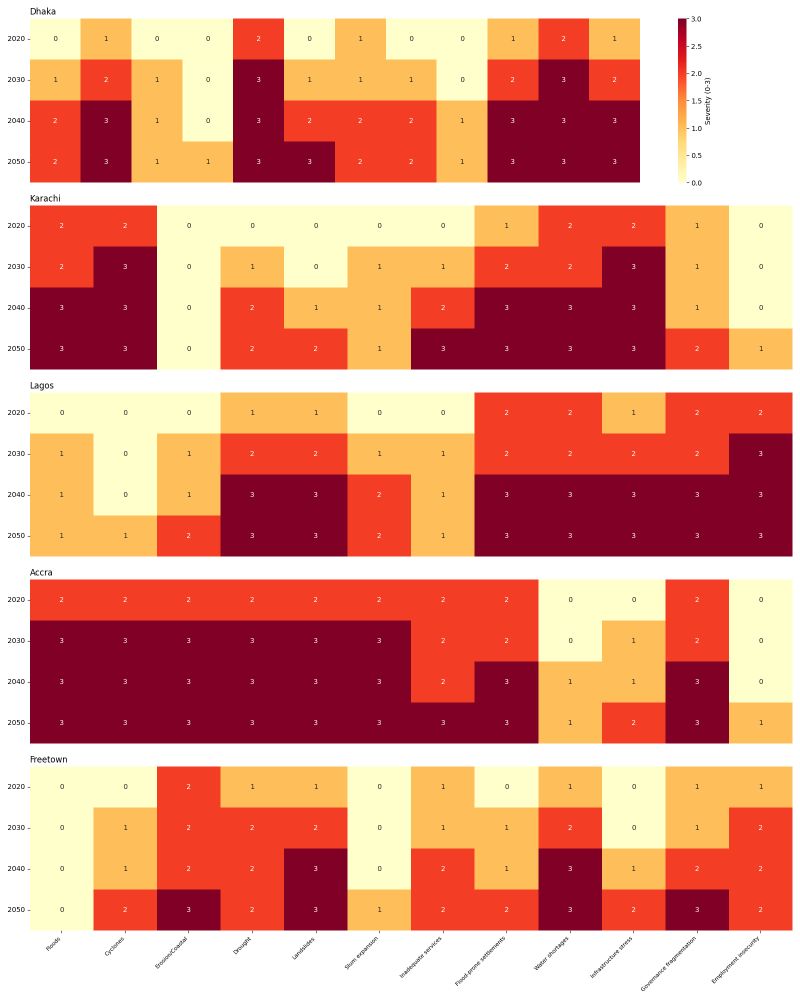
Climate Change, Intra-Migration and the Future of Resilient Cities
Climate change is increasingly driving intra-migration toward urban centres, especially in vulnerable regions. Cities must prepare for rising pressures on housing, services, and governance systems to protect vulnerable populations and ensure sustainable urban development. Data-driven planning and cross-sector coordination are essential to anticipate future migration trends and build adaptive, equitable urban systems. We are working…
-
Social Protection as a Catalyst for Climate Resilience
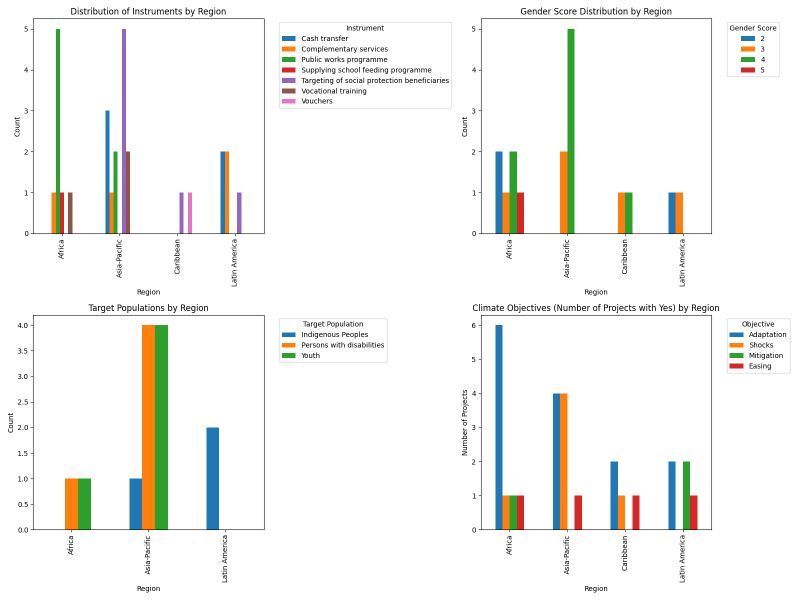
Though separated by geography, ecosystems, and biodiversity, #Brazil, #Zimbabwe, and #Vanuatu share a story of climate vulnerability. But more importantly, they tell a story of resilience and innovation, one that puts the protection of people at the heart of climate action. Social protection is not a new solution. For decades, it has been a cornerstone…
-
Multi-Year El Niño Events Increasingly Threaten Global Communities
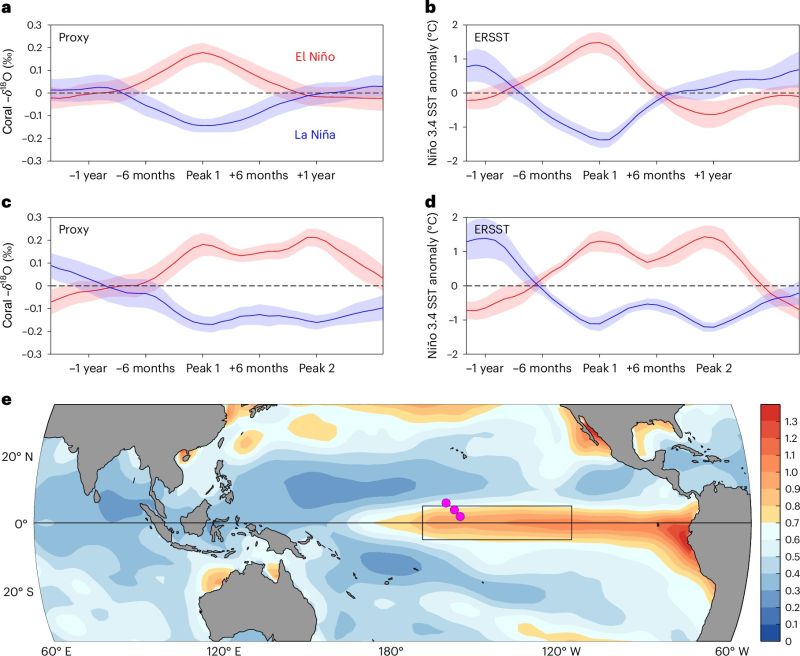
A study published in Nature Geoscience has revealed that multi-year El Niño events have become five times more frequent over the past 7,000 years. By analyzing fossil coral data and using advanced climate models, researchers discovered that these events, which now last for two or more years, have evolved from occurring every 3.5 years to…
-
Building an Ecological Civilization for a Sustainable Future
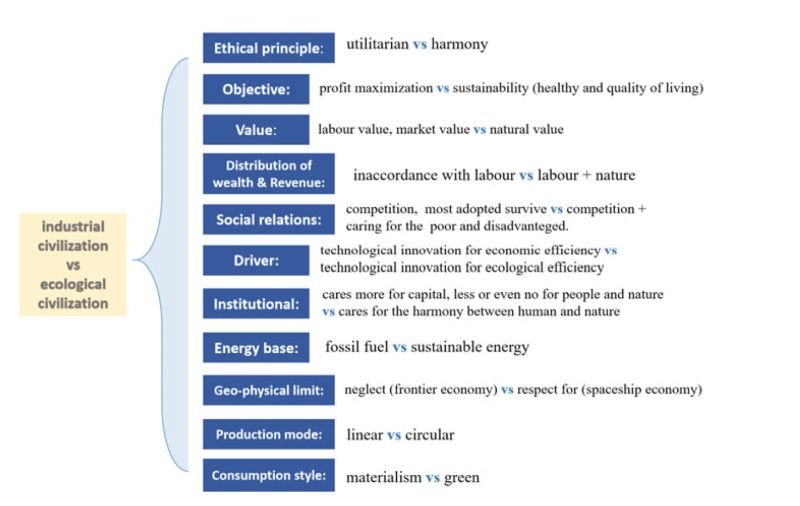
Ecological civilization is rooted in recognising that humanity is an integral part of nature, not its master. It calls for harmony between human development and the natural world, ensuring that economic prosperity does not come at the expense of environmental degradation. It envisions a circular economy where waste is minimized, renewable energy is the norm,…
-
Health, Food, and Water Security at the Heart of Climate Action
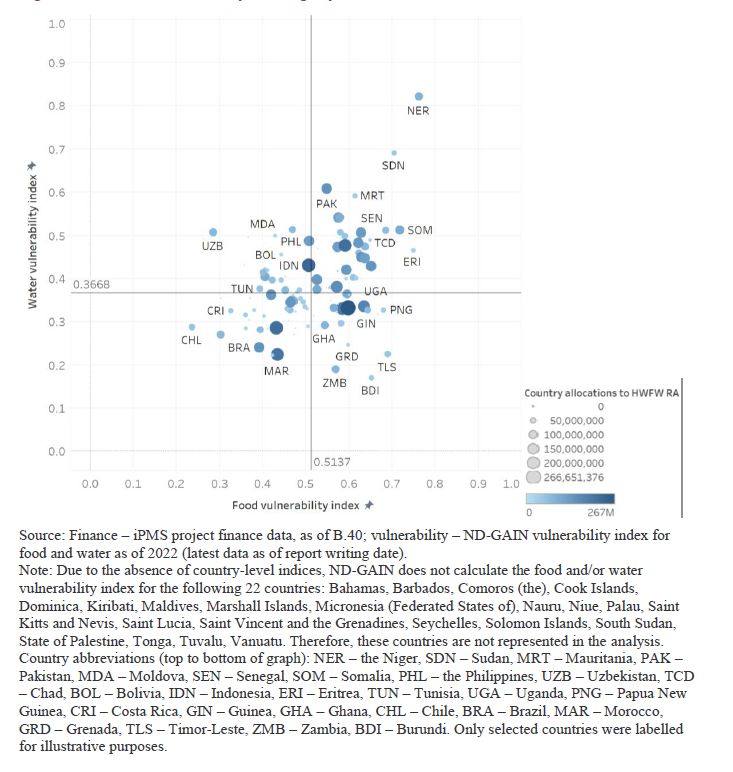
Recently Independent Evaluation Unit, Green Climate Fund published the Health and Wellbeing, Food, and Water Security (HWFW) Result Area which reflects a profound truth embedded in climate action: Health, food, and water security are essential components of human survival and foundational pillars of any equitable, resilient, and thriving society. Climate change exacerbates vulnerabilities, disrupts livelihoods,…
-
Water as Leverage Framework Unlocks Private Investment for Urban Resilience
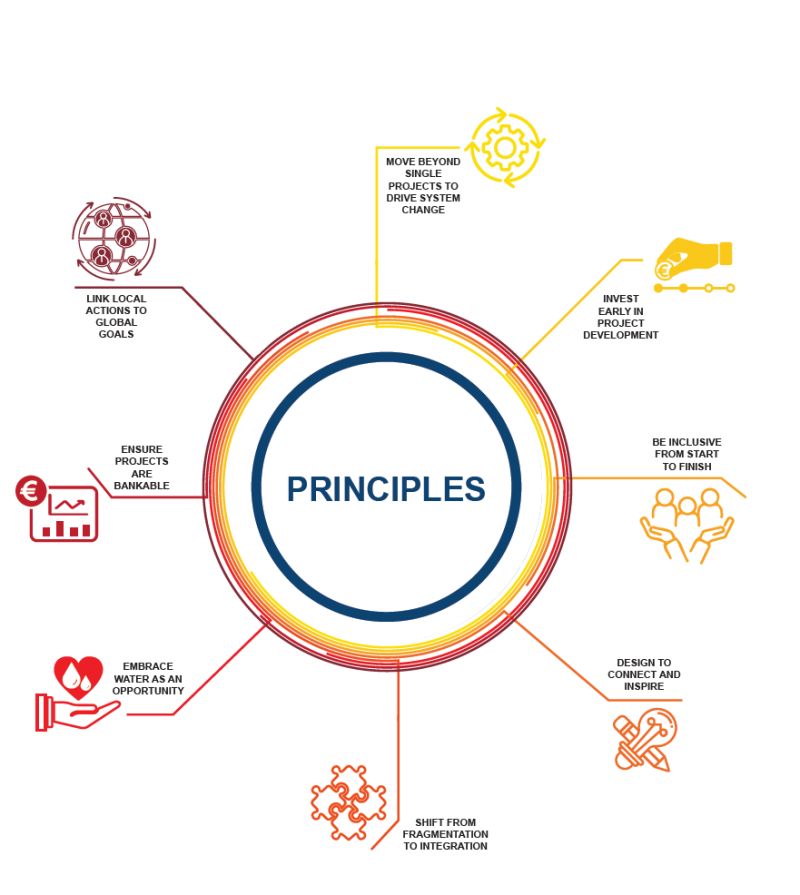
With climate change posing unprecedented global challenges, the Water as Leverage framework provides an excellent way for transformative, inclusive urban water projects. The framework benefits cities in developing sustainable solutions and unlocking otherwise underutilized private-sector financing. The framework applies the eight principles—from fostering inclusivity and scalability to integrating systemic perspectives—and #WaL initiatives could support scaling…
-
Rising Groundwater Levels Amplify Seismic Risks Through Soil Liquefaction
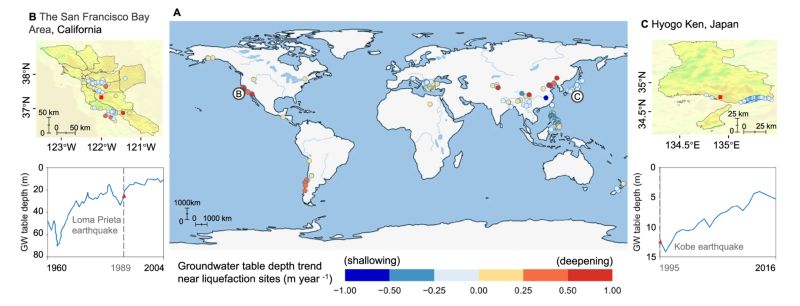
Around the globe, nations are grappling with water scarcity driven by climate change, urbanization, and resource exploitation. To combat this, large-scale groundwater restoration projects are underway, replenishing depleted aquifers and securing water for millions. However, emerging evidence reveals an urgent and global challenge: the unintended seismic risks posed by rising sea level rise, groundwater tables,…
 Bapon (SHM) Fakhruddin, PhD