Author: Bapon Fakhruddin
-
Health, Food, and Water Security at the Heart of Climate Action
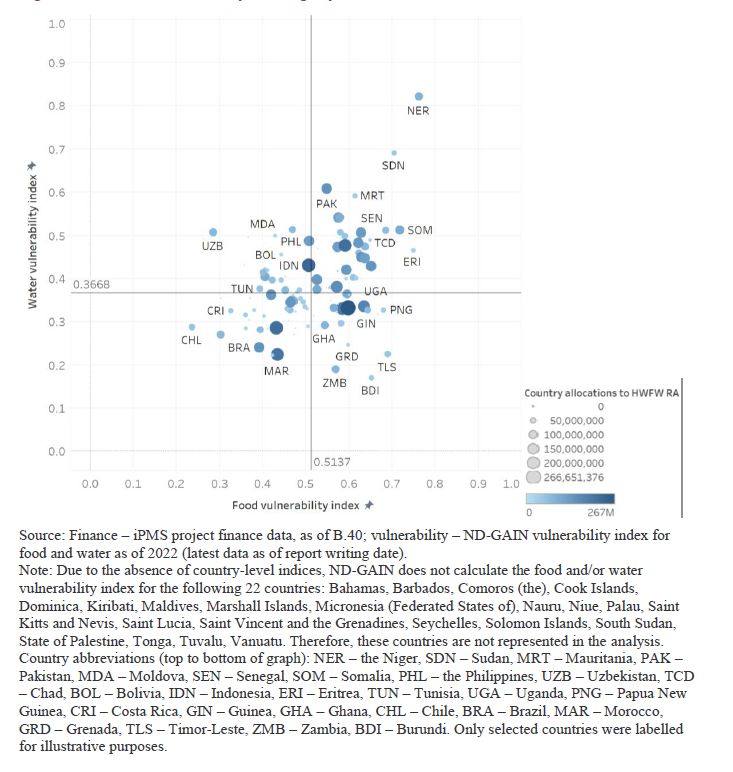
Recently Independent Evaluation Unit, Green Climate Fund published the Health and Wellbeing, Food, and Water Security (HWFW) Result Area which reflects a profound truth embedded in climate action: Health, food, and water security are essential components of human survival and foundational pillars of any equitable, resilient, and thriving society. Climate change exacerbates vulnerabilities, disrupts livelihoods,…
-
Water as Leverage Framework Unlocks Private Investment for Urban Resilience
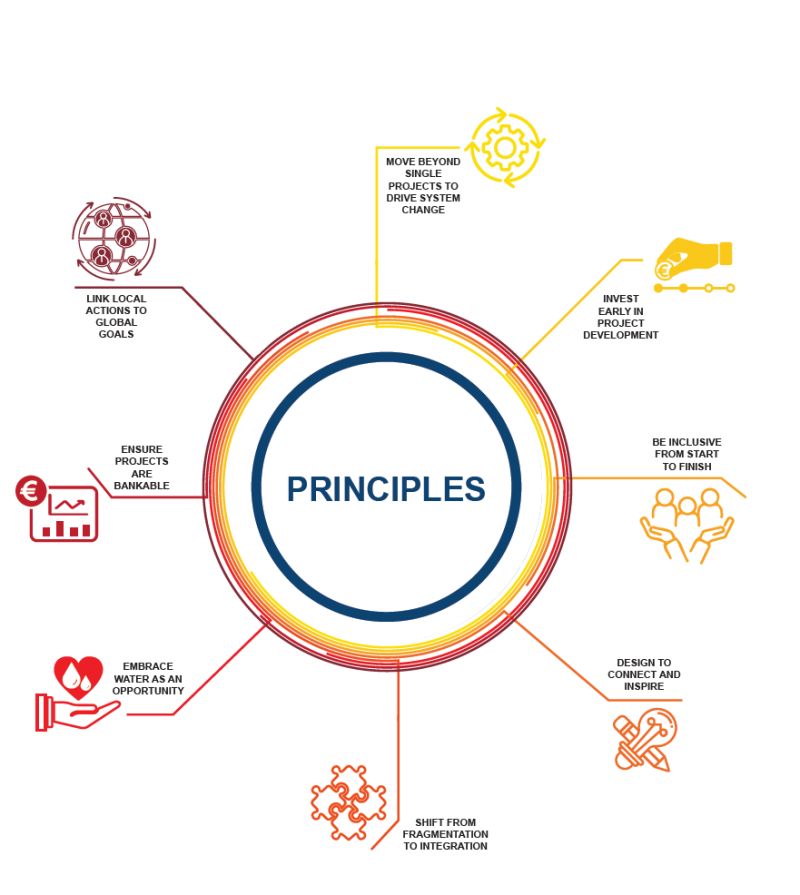
With climate change posing unprecedented global challenges, the Water as Leverage framework provides an excellent way for transformative, inclusive urban water projects. The framework benefits cities in developing sustainable solutions and unlocking otherwise underutilized private-sector financing. The framework applies the eight principles—from fostering inclusivity and scalability to integrating systemic perspectives—and #WaL initiatives could support scaling…
-
Rising Groundwater Levels Amplify Seismic Risks Through Soil Liquefaction
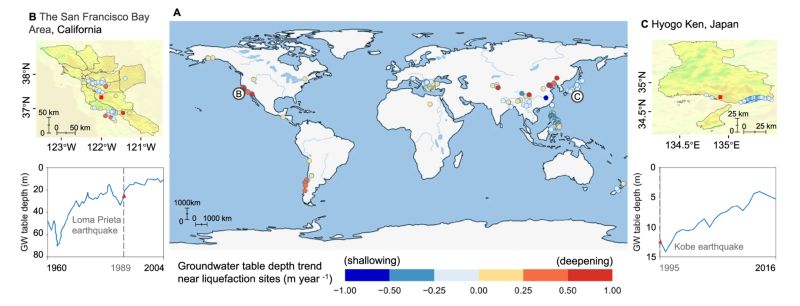
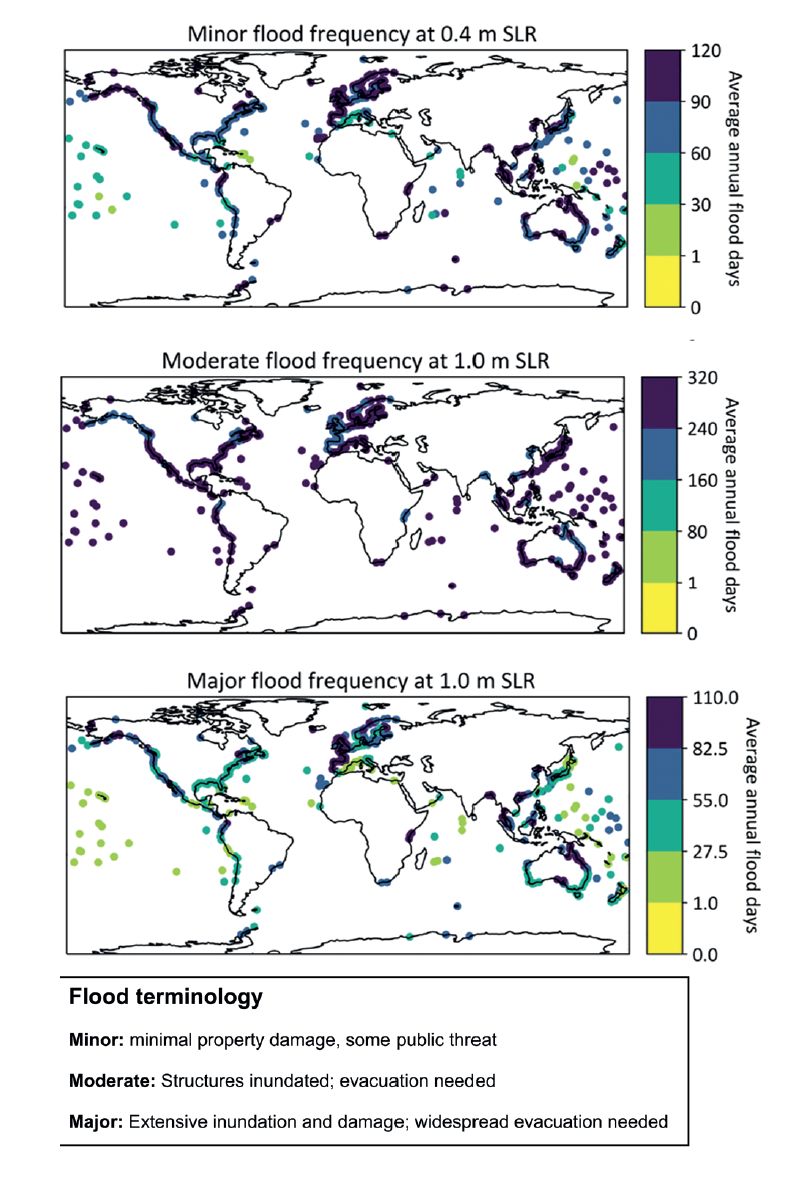
Around the globe, nations are grappling with water scarcity driven by climate change, urbanization, and resource exploitation. To combat this, large-scale groundwater restoration projects are underway, replenishing depleted aquifers and securing water for millions. However, emerging evidence reveals an urgent and global challenge: the unintended seismic risks posed by rising sea level rise, groundwater tables,…
-
Strengthening Water Resilience in Europe Through Global Best Practices
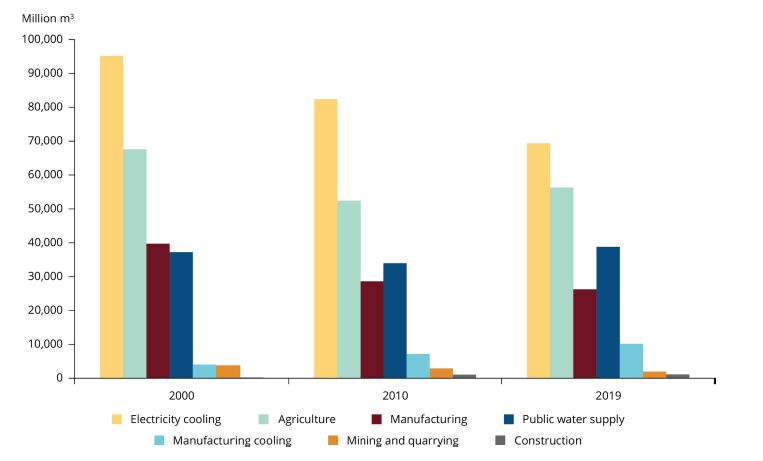
The climate crisis has intensified global water-related challenges, with Europe particularly facing pressures such as prolonged droughts, extreme precipitation, and floods. As highlighted in the European Commission’s 2025 Implementation Report on the Water Framework Directive (WFD) and Floods Directive (FD), these challenges threaten public health, ecosystems, food security, and infrastructure while incurring economic damages. With…
-
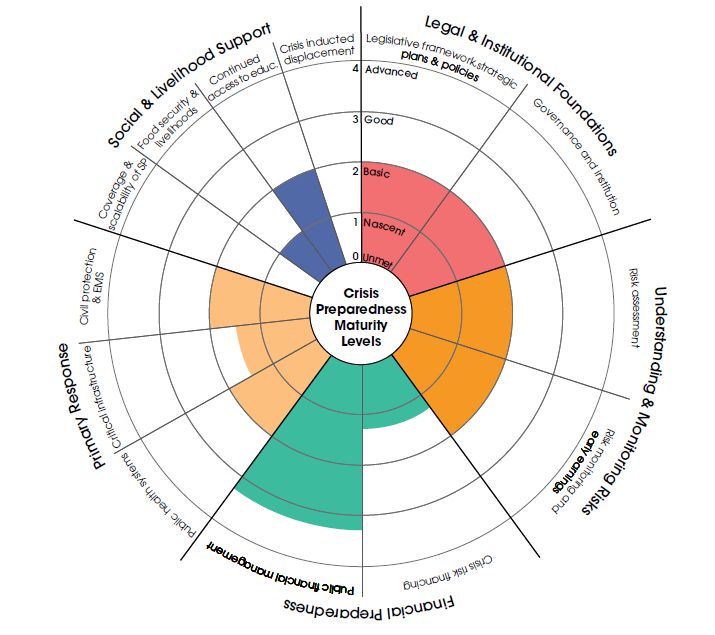
Strengthening Bhutan’s Crisis Preparedness for Climate and Disaster Resilience
The recent Crisis Preparedness Gap Analysis (CPGA) by The World Bank highlights the urgent need to address Bhutan’s vulnerabilities to crises, particularly its exposure to natural hazards, the impacts of climate change, fragile infrastructure, and emergent social challenges. Bhutan has made progress, including enacting the Disaster Management Act of 2013, but there remains a pressing…
-
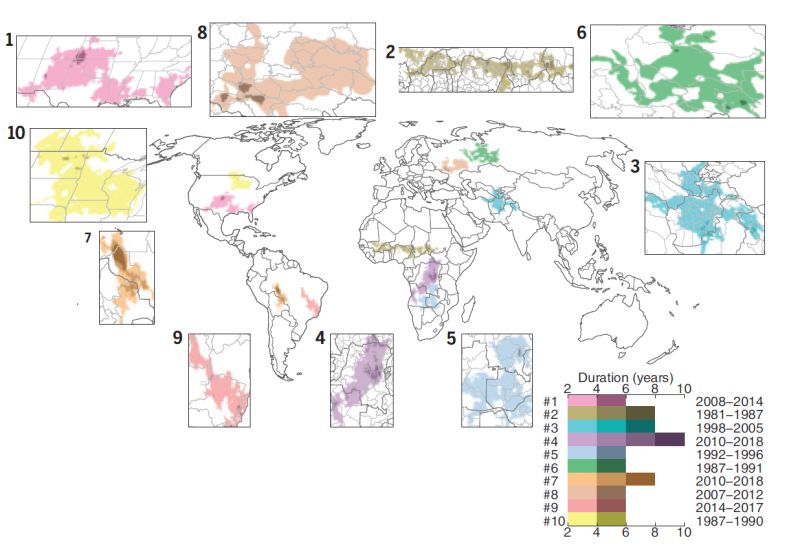
Global Multiyear Droughts Intensify with Severe Ecological and Human Impacts
Over the 38-year period from 1980 to 2018, researchers identified 13,176 distinct multiyear droughts (MYD) events across the globe. The top 10 most severe droughts are extraordinary in their scale, duration, and impact. These events occurred across continents, sparing none except Australia. They were ranked based on their affected area, duration, and the severity of…
-
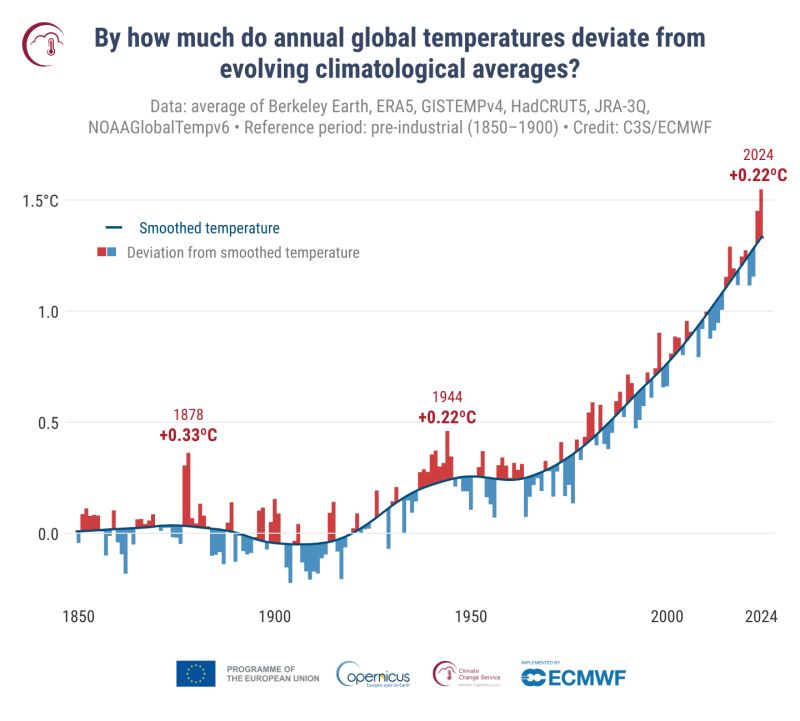
2024 Surpasses 1.5°C Threshold Signaling Urgent Climate Action Needed
As we step into 2025, the climate data from 2024 remind us of the accelerating impacts of global warming. For the first time, the average global temperature exceeded 1.5°C above pre-industrial levels—a critical threshold outlined in the Paris Agreement to mitigate the risks of climate change. With a global average temperature of 15.10°C, 2024 surpassed…
-
Urgent Action Needed to Protect the Cryosphere and Global Water Security
The latest State of the Cryosphere Report presents deeply concerning evidence of accelerating ice loss and its cascading impacts on global water resources and climate systems. Let me highlight several critical findings: We are witnessing unprecedented rates of cryosphere decline. Mountain glaciers globally set record losses in 2023-2024, with some regions like Sweden showing the…
-
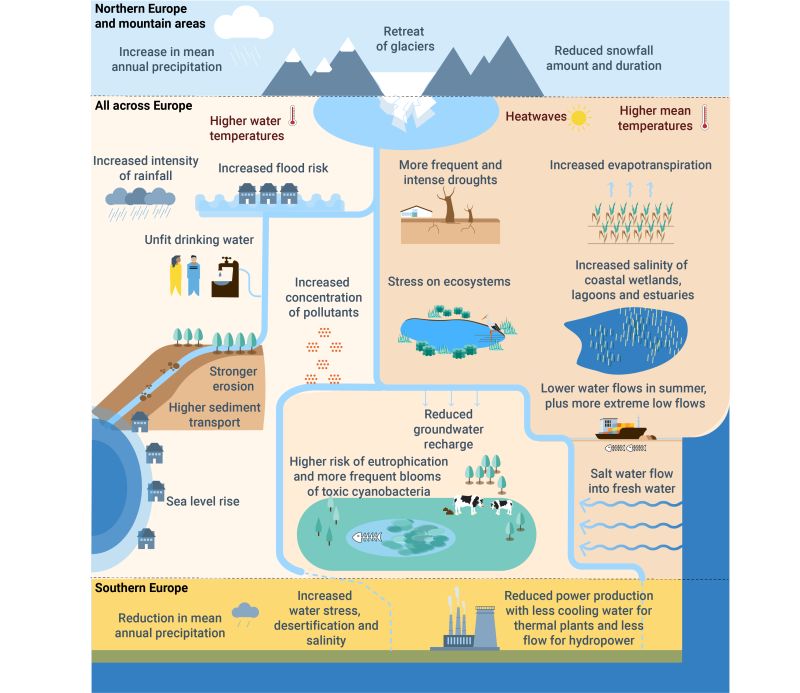
Strengthening Water Security in Europe and Beyond
Climate change severely impacts Europe’s water resources, with the continent experiencing more frequent and intense droughts and floods. Southern and western Europe are facing reduced annual rainfall, leading to water shortages, while heavy rainfall events are causing flash floods and harming groundwater recharge. These changes degrade water quality by introducing pollutants, resulting in water scarcity…
-

Choosing Optimism for Ourselves and Future Generations
Let’s start new year with Optimism!It’s more than just a positive feeling it’s a powerful mindset that can change our lives and the world around us. Optimism is believing that better days are ahead, even when things get tough. It’s not about ignoring challenges but facing them with courage and hope. Studies show that optimistic…
 Bapon (SHM) Fakhruddin, PhD