Author: Bapon Fakhruddin
-
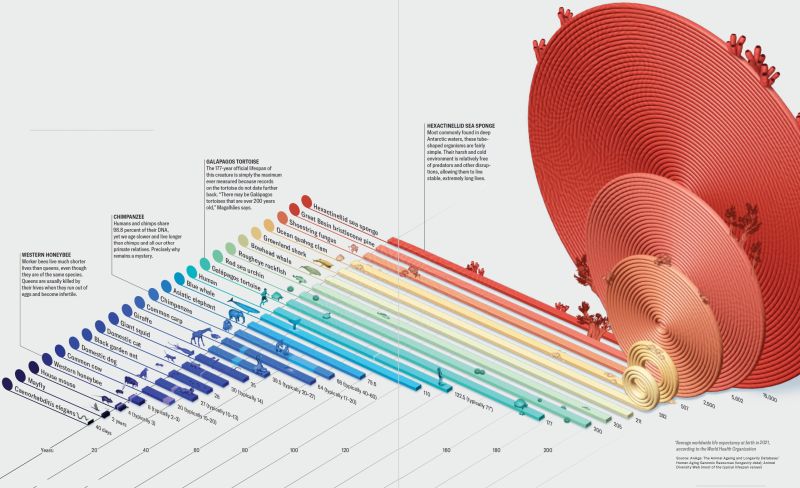
Lessons from Nature: Longevity, Resilience and Our Responsibility
Why do some species live longer than others? This question reveals nature’s wisdom and humanity’s responsibility. Creatures like the Greenland shark or the Galápagos tortoise age slowly, protected by evolution. Others, like mice, live short, rapid lives. Science shows us that longevity is tied to resilience, DNA repair, and environmental safety. What can we learn…
-
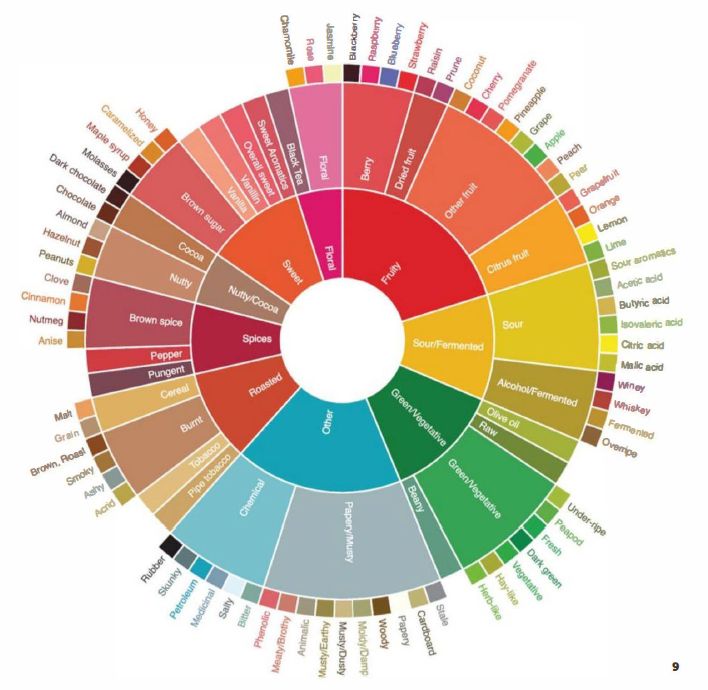
Elevate Your Coffee Experience with the Coffee Taster’s Flavour Wheel
As the world’s coffee lovers continue to shape a global community that celebrates diversity, precision, and innovation, I’m excited to share an indispensable tool for every true coffee aficionado—the Coffee Taster’s Flavour Wheel. For those who are very particular about their coffee, this tool invites you to think deeper: start with broad flavor profiles in…
-
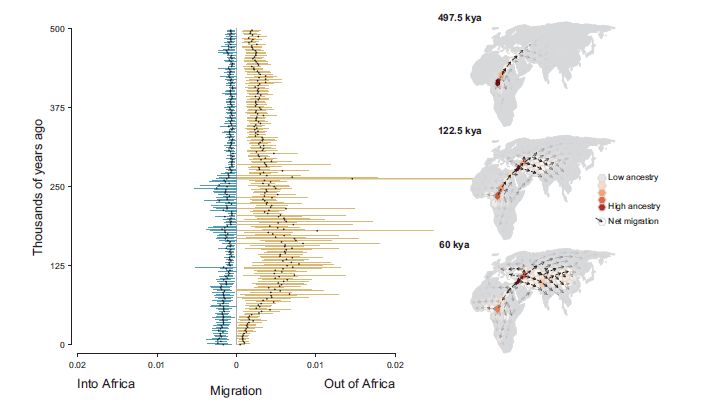
Tracing Humanity’s Shared Journey Through Genetic Ancestry
GAIA (Geographic Ancestor Inference Algorithm), has illuminated the paths our ancestors took as they migrated across continents, shaping the genetic diversity we see today. The roots of humanity are deeply embedded in Africa. By 1 million years ago, approximately 95% of the genetic ancestry of modern humans can be traced to ancestors who lived in…
-
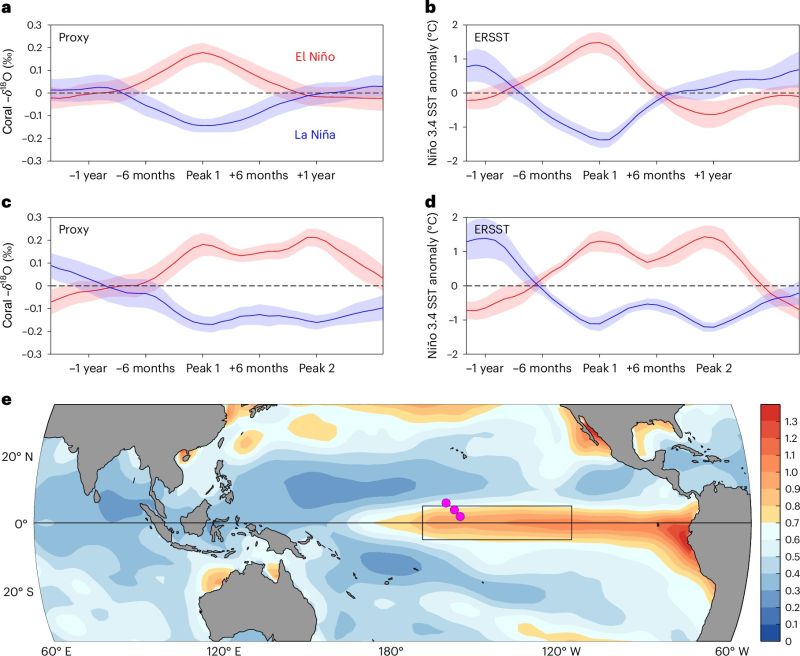
Multi-Year El Niño Events Increasingly Threaten Global Communities
A study published in Nature Geoscience has revealed that multi-year El Niño events have become five times more frequent over the past 7,000 years. By analyzing fossil coral data and using advanced climate models, researchers discovered that these events, which now last for two or more years, have evolved from occurring every 3.5 years to…
-
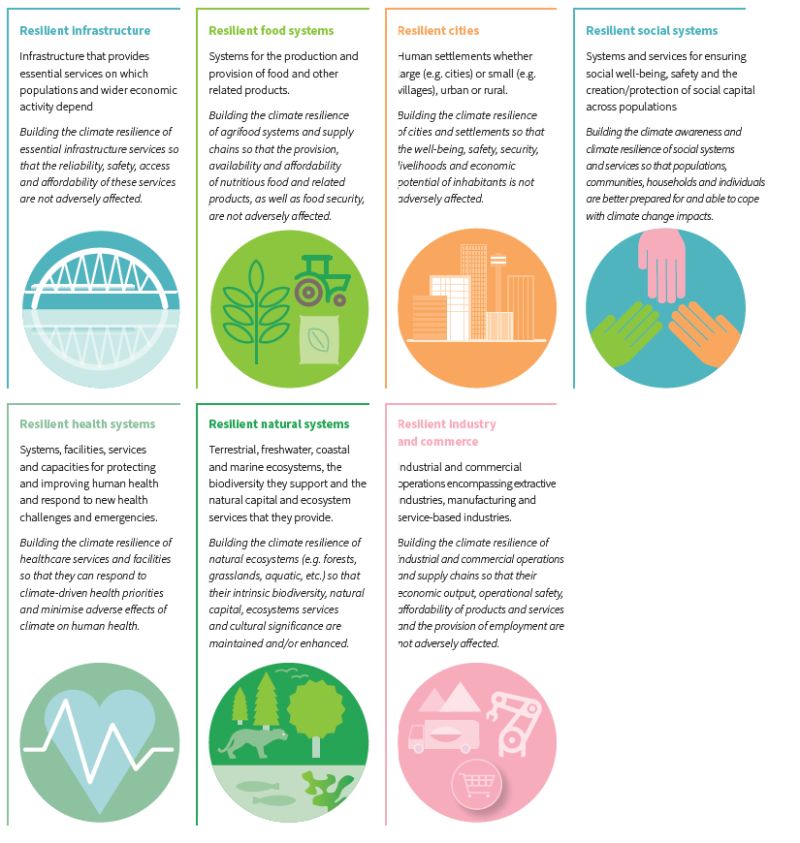
Scaling Innovative Finance for Climate Adaptation and Disaster Risk Reduction
Developing and scaling innovative financing instruments that integrate climate change adaptation with disaster risk reduction into national financial frameworks require leveraging domestic resources and private capital through resilience bonds, risk-sharing instruments, and blended finance solutions. Establishing dedicated financial taxonomies and standards to guide investments in CCA and DRR, which ensure that funding is directed toward…
-
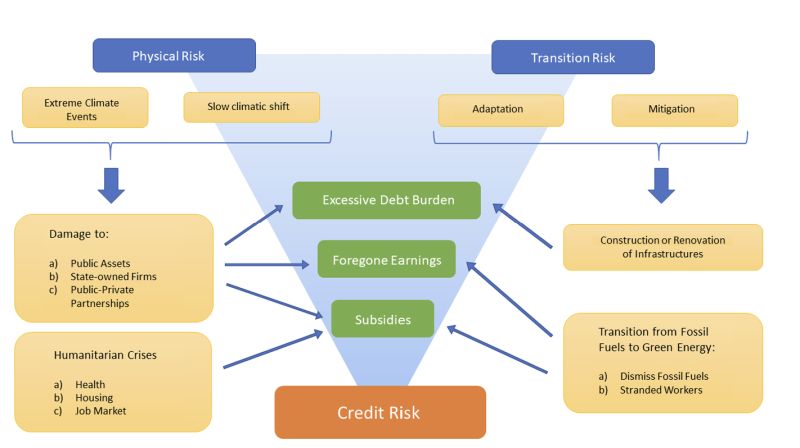
Climate Change and Sovereign Credit Ratings in a Warming World
Do sovereign credit ratings adequately reflect the risks posed by climate change? Climate change has become a critical factor in determining sovereign credit ratings, as evidenced by research spanning 124 countries over two decades. The study reveals that physical risks, such as higher temperature anomalies and natural disasters, are directly linked to lower sovereign credit…
-
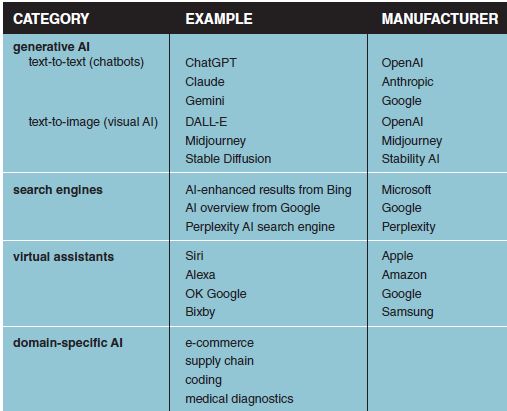
The Promise and Peril of AI Chatbots in the Information Age
The advancement of artificial intelligence, especially the development of sophisticated chatbots, has significantly changed how we find and share information. While these chatbots exhibit remarkable proficiency with human language—evident in their ability to craft compelling stories, mimic political speeches, and even produce creative works—it’s crucial to recognize their limitations. They are not perfect. In fact,…
-
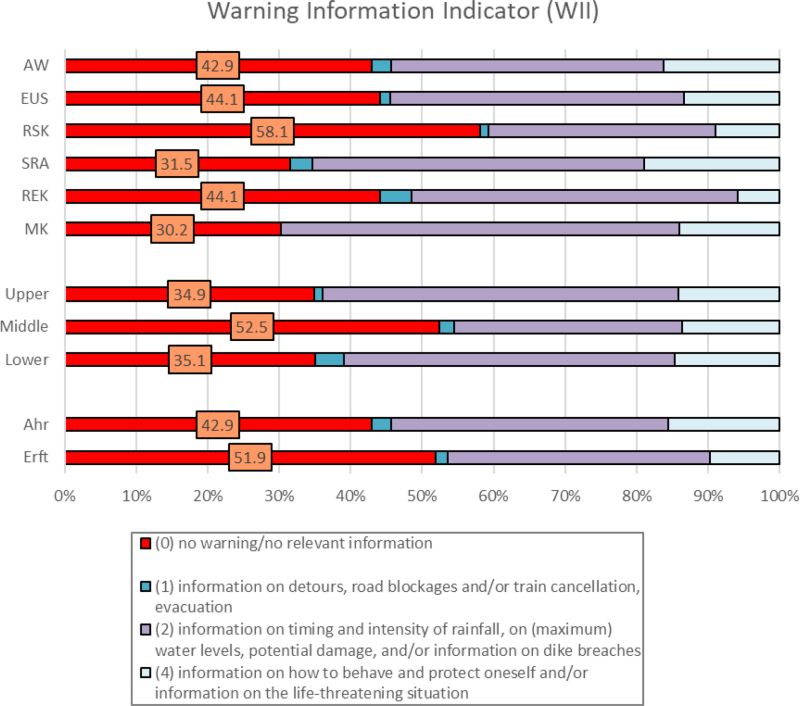
Strengthening Flood Early Warning Systems in Germany: Lessons from the 2021 Tragedy
A nice article by Anna Heidenreich, Heather J. Murdock, and Annegret H. Thieken, supported by Germany’s Federal Ministry of Education and Research, sets out to assess how warning performance varies both between administrative districts and across watershed segments. This investigation was instigated by the tragic losses during the 2021 flood event, which, despite the existence…
-
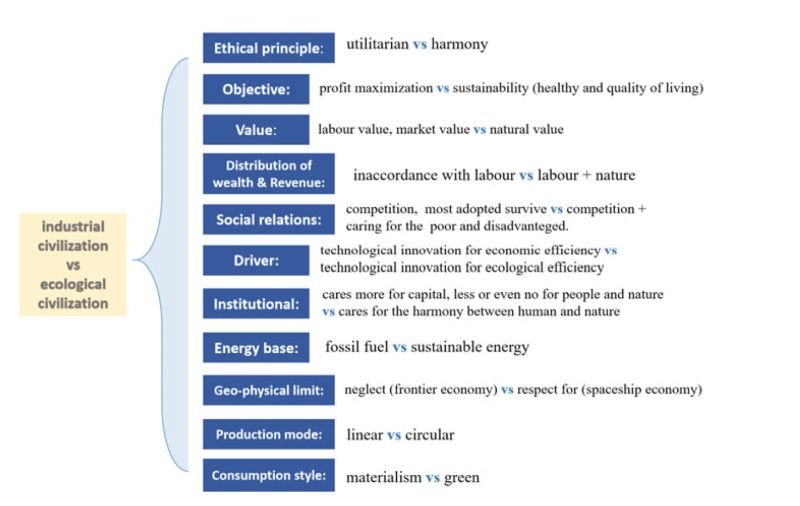
Building an Ecological Civilization for a Sustainable Future
Ecological civilization is rooted in recognising that humanity is an integral part of nature, not its master. It calls for harmony between human development and the natural world, ensuring that economic prosperity does not come at the expense of environmental degradation. It envisions a circular economy where waste is minimized, renewable energy is the norm,…
-
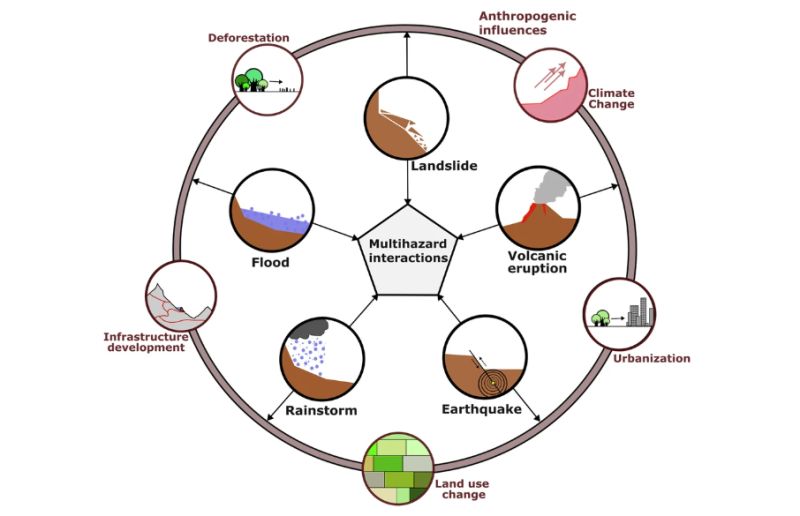
Embracing a Multihazard Approach to Disaster Risk Reduction
To effectively reduce disaster risks, we must adopt integrated approaches that account for natural and human-driven interconnected hazards. A proposed redefinition frames hazards as processes influenced by environmental and anthropogenic factors, allowing better cross-sectoral communication and policy development. Frameworks like the Sendai Framework for Disaster Risk Reduction emphasize multihazard strategies, including risk assessments, early warning…
 Bapon (SHM) Fakhruddin, PhD