Author: Bapon Fakhruddin
-
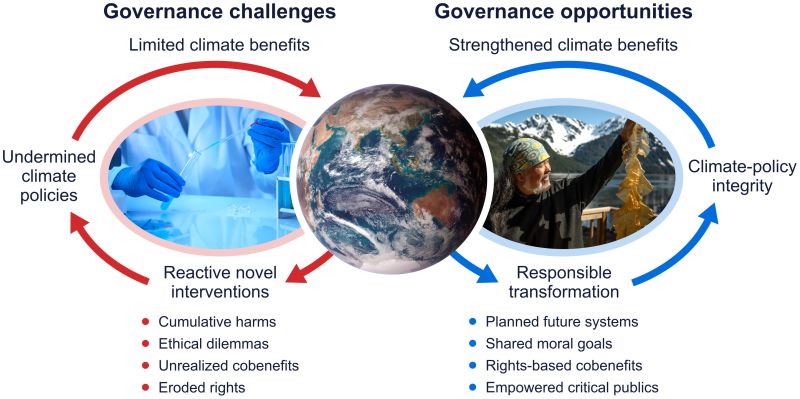
Advancing Marine-Climate Interventions for a Resilient Ocean
The ocean plays a critical role in regulating Earth’s climate, supporting biodiversity, and sustaining human livelihoods. However, it is under unprecedented stress from climate change, overfishing, pollution, and habitat degradation. In response, novel marine-climate interventions, for example, ocean alkalinity enhancement, large-scale seaweed farming, and bioengineered coral restoration, are being developed to mitigate and adapt to…
-
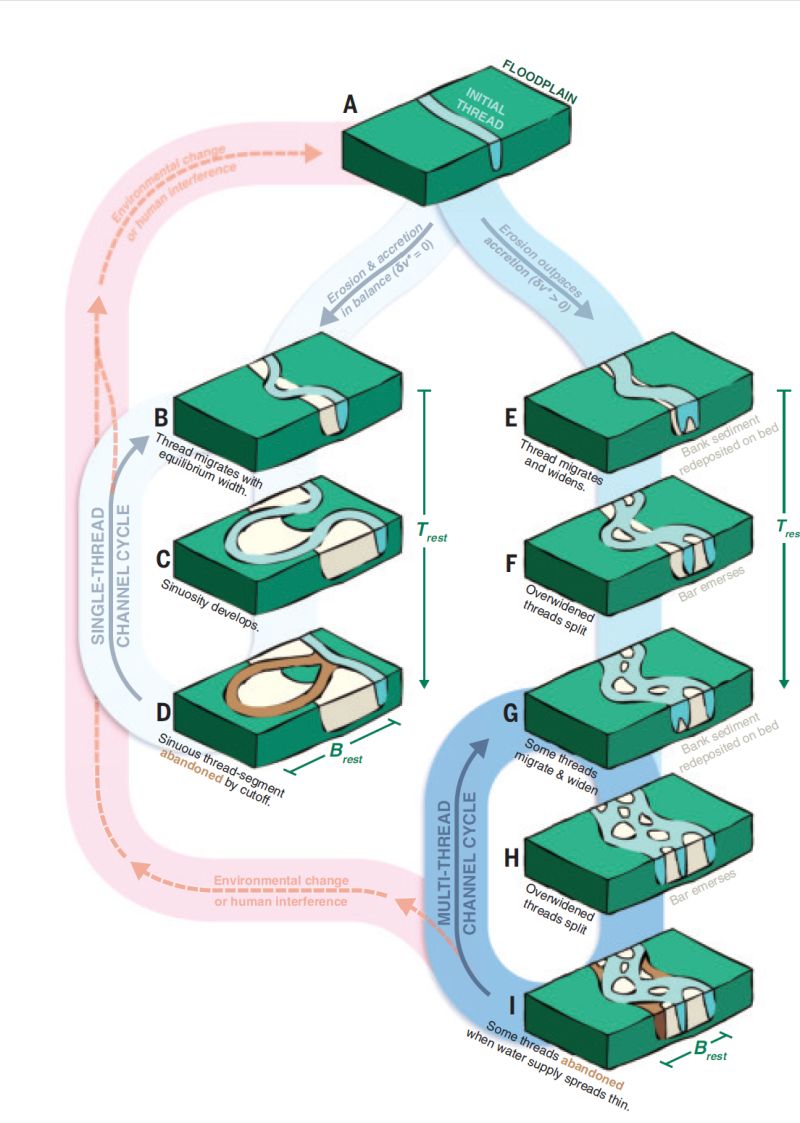
Protecting Rivers Through Nature-Based Solutions for Resilient Water Systems
Rivers are essential to our planet’s ecosystems and human societies. They support agriculture, provide drinking water, and sustain billions of people worldwide. Understanding how rivers form and evolve is essential for managing flood risks, erosion, and maintaining ecosystem health. Nature-based river restoration (#NbS) can work with these natural processes. Multithread systems often require less space…
-
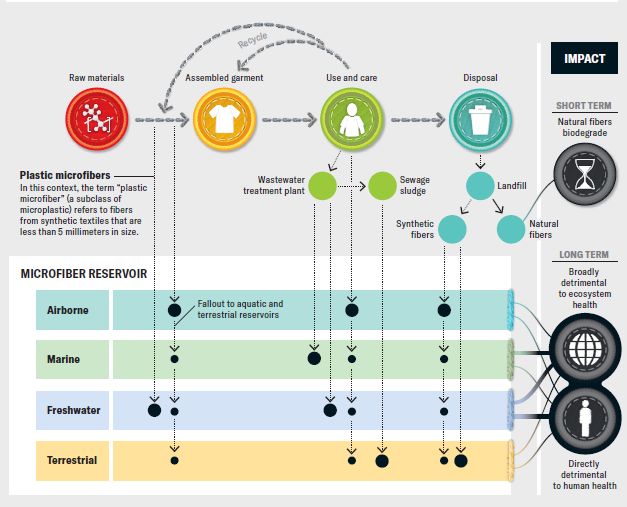
Sustainable Textiles for Climate Action
The textile industry doesn’t have to be a villain in the climate crisis. By leveraging partnerships, we can reweave its future, one where every sock, every scarf, and every stitch honours the planet and its people. Projections indicate that by 2030, the world will produce 134 million tons of textile waste annually! A staggering figure…
-

Hidden Nitrogen Fixers: Why Aquatic Ecosystems Matter for Climate and Water Security
Fulweiler et al. (2025) reveal that these ecosystems, including lakes, rivers, wetlands, and continental shelves, contribute 40 teragrams of nitrogen annually, equivalent to 15% of global biological nitrogen fixation. This challenges decades of oversight in global nutrient budgets and demands urgent integration into climate and water security frameworks. This hidden nitrogen production sustains entire food webs, from…
-

Empathy as Strength: Leading with Care in a Complex World
Empathy as an Act of Strength: Why Our World Needs It More Than Ever! The world leaves so little space for nuance now, Jacinda Ardern lamented. Let us reclaim that space—with empathy as our compass. “The world is interconnected. Our crises are shared. Empathy is the thread that weaves solutions- Bapon Fakhruddin.” Empathy is the…
-
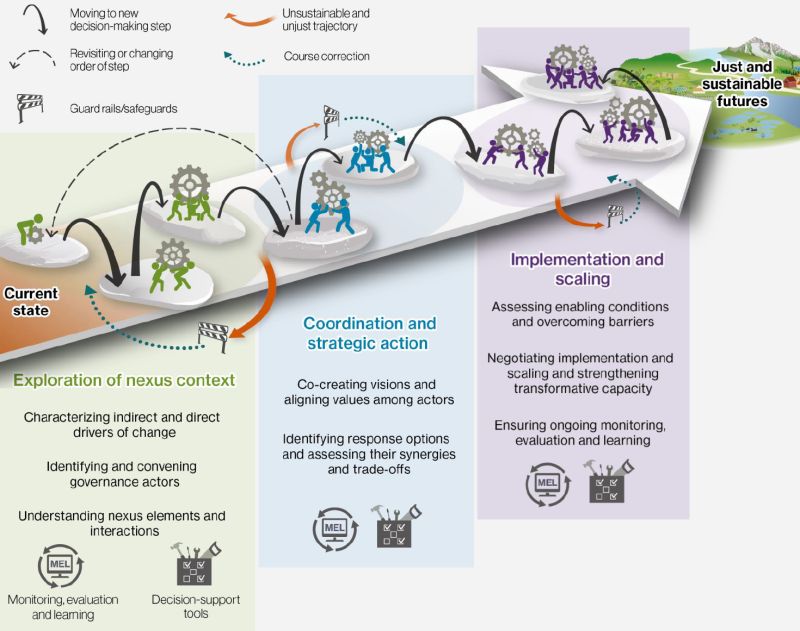
Water at the Heart of the Biodiversity and Climate Nexus
The IPBES Nexus Assessment reminds us of a sobering reality on World Biodiversity Day: five interlinked crises—biodiversity loss, climate change, water scarcity, food insecurity, and health pandemics are interconnected. But we view and solutions remain fragmented. 80% of the world’s wastewater flows untreated into ecosystems, poisoning species and communities. Meanwhile, freshwater species populations have declined…
-
A reflection after the Global Water Summit 2025, organised by Global Water Intelligence (GWI)
“What we do to water, we do to ourselves”- Bapon Fakhruddin, Green Climate Fund Water shows us the fundamental truth of our existence: everything is connected. The same water evaporating from the Amazon becomes rain over the Sahel, glaciers in the Himalayas, and drinking water in Auckland. We often forget how to see the unity…
-

Leading Global Teams with Cultural Intelligence
Reading an insightful piece in the Harvard Business Review about leading global teams effectively! It reinforced how important cultural intelligence is for success. Here are a few key takeaways: Balance autonomy with structure: Not everyone thrives in fully independent environments—some cultures prefer clear direction, while others value freedom to decide. Create psychological safety: Foster an…
-

Flowing Towards Stability: The Crucial Role of Water in Central Asia’s Future
Water is a strategic resource for Central Asia, influencing economic stability, environmental sustainability, and disaster risk reduction (DRR). The region faces compounding risks from climate change, including droughts, floods, and glacial melt, which threaten water security and livelihoods. For countries like Kazakhstan, Kyrgyzstan, Tajikistan, Turkmenistan, and Uzbekistan, water is a critical component that underpins life,…
-

Finding Your Flow: The Magic of Fully Engaged Moments
Dive into the captivating experience of “flow” – a state of being where every moment feels electric with purpose and presence, a dance between inspiration and creativity. Coined by renowned positive psychologist Mihaly Csikszentmihalyi, flow is that magical zone where time dissolves, distractions fade, and you are entirely immersed. Think about it: what activities sweep…
 Bapon (SHM) Fakhruddin, PhD