Author: Bapon Fakhruddin
-
Seabed Trawling and Its Overlooked Contribution to Global Carbon Emissions
A recent study by scientists at Utah State University found that seabed trawling releases about 340 million tonnes of carbon dioxide into the atmosphere each year. That is nearly 1 per cent of global CO2 emissions, a major contribution that has been overlooked until now. Their studies suggest that about 55% of the carbon released…
-
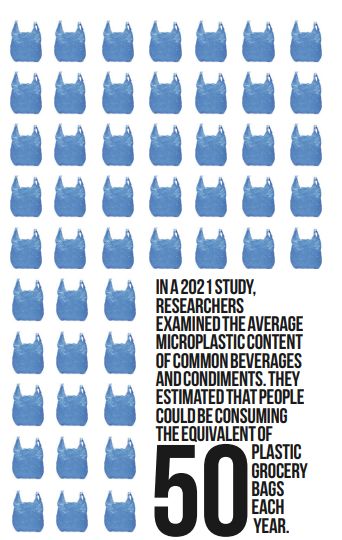
Microplastics: The Invisible Threat Demanding Urgent Global Action
Microplastics have flooded the farthest reaches of our planet! This is no longer a problem we can brush away or bury out of sight. Tiny toxin-absorbing plastics have already infiltrated human bloodstreams and organs. Left unchecked, the impacts on health could be devastating from infertility to cancer to brain disorders. Our oceans churn with over…
-
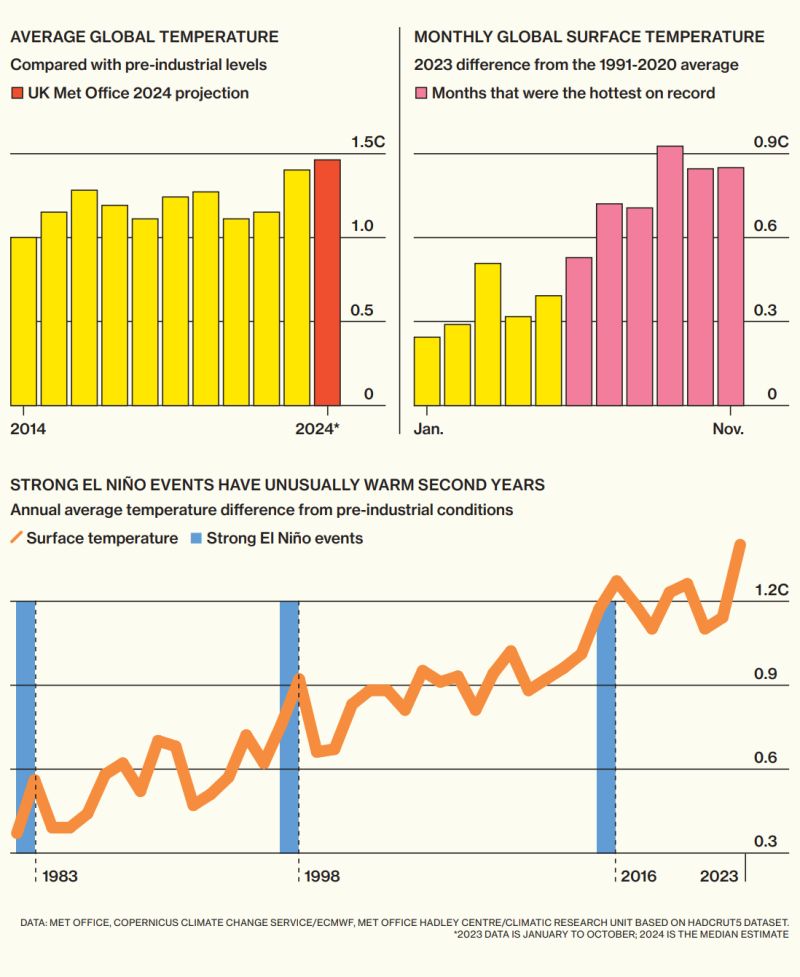
Global Warming Trends and the Imperative for Urgent Climate Action
2023 was the 5th warmest globally, capping off the last nine years as the nine hottest in recorded history. And the warming trend is accelerating – the past eight years are the eight warmest. The climate models forecast this. We are now living it. On top of this human-caused warming, natural climate cycles like El…
-
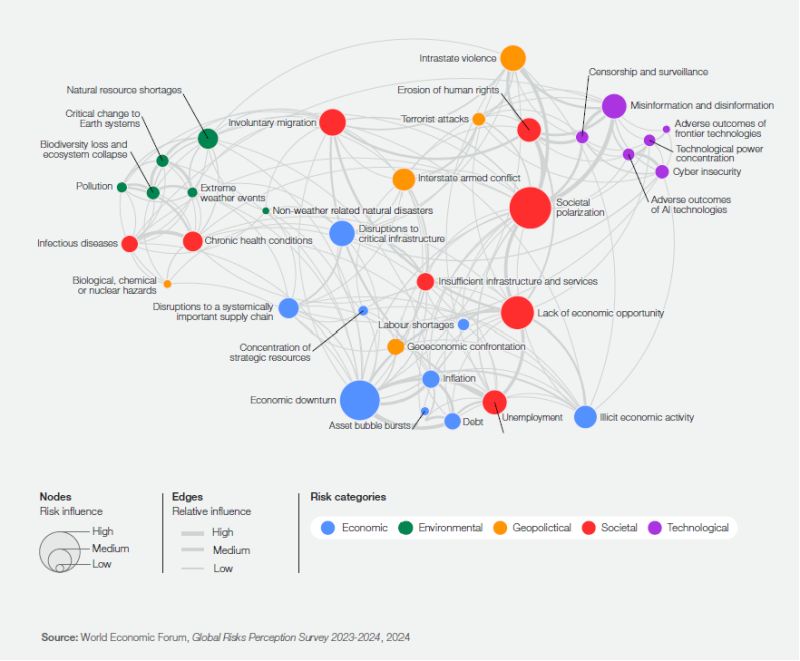
Tech for Climate Adaptation: Harnessing Innovation to Manage Risk and Build Resilience
The report, developed by the Tech for Climate Adaptation Working Group under the World Economic Forum’s Centre for the Fourth Industrial Revolution, suggests that while technology cannot replace the need for GHG mitigation, it can help manage climate impacts and provide competitive advantages for early adopters. The document outlines how technology can assist in comprehending…
-

The 5 Resets: Rewiring for Resilience in a High-Stress World
A nice read on “5 Resets” as described by Aditi Nerurkar to rewire our brain and body for less stress and more resilience! The First Reset: Get Clear on What Matters Most• Take time to reflect on your values and what is truly important to you.• Prioritize your tasks and responsibilities based on these values.•…
-
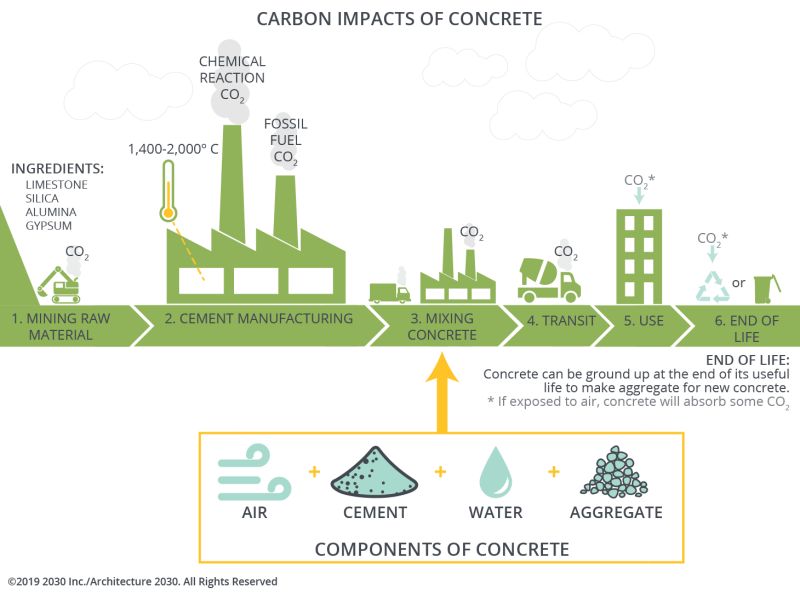
Carbon Impacts of Concrete
The cement industry presents a significant challenge in global CO2 emissions, contributing to over 7% of the total. The traditional process of cement production is highly energy-intensive. It emits a considerable amount of CO2 from burning fossil fuels to achieve the high temperatures needed in kilns and from the chemical reactions that occur during the…
-

Why Climate Liability Demands Scenario Planning Now
The potential financial impacts of emerging climate liability law present profound uncertainties for economies worldwide. Quantifying the vast array of possible legal outcomes remains deeply complex and scenario-dependent. Yet even back-of-the-envelope analyses indicate exposures in the trillions of dollars for major carbon producers. Chevron alone faces over $8.6 trillion in potential liability based on the…
-
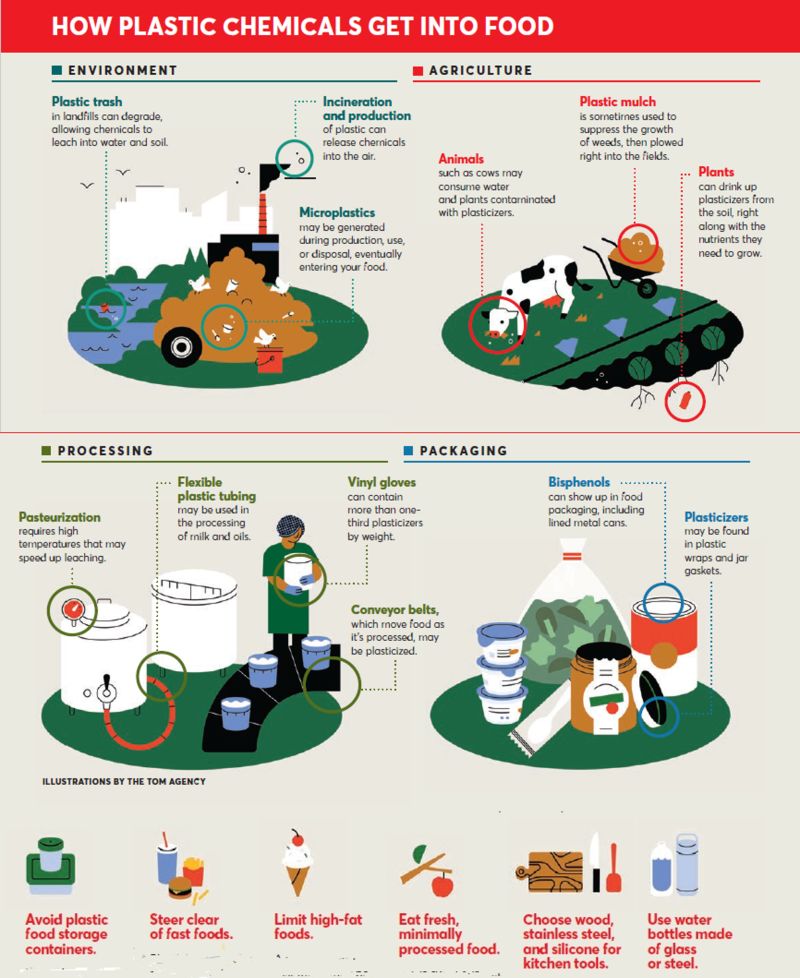
Rethinking Food Safety in the Age of Plastic Packaging
From the moment a container of yogurt leaves the factory to the instant it rests on our tables, it has undergone a journey fraught with invisible dangers. These dangers come in the form of plasticizers chemicals used to imbue plastics with flexibility and durability. Chief among these are phthalates and bisphenols like BPA, substances that…
-
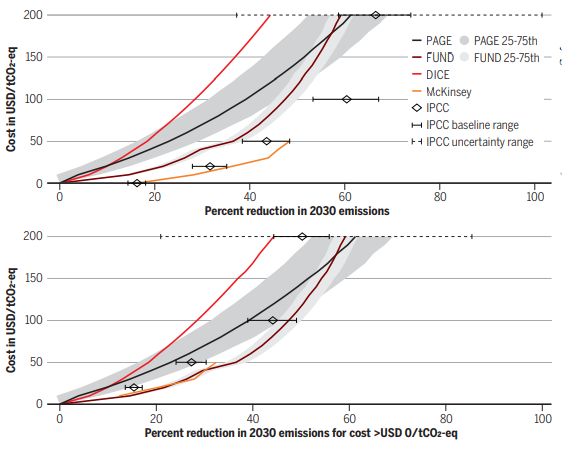
The Cost of Climate Action vs. the Cost of Inaction
We stand at a pivotal moment in our fight against #ClimateChange. As we address #GHGemissions, a critical question emerges – what is the true cost of meaningful #ClimateAction?The #IPCC and leading #IAMs show striking differences. The IPCC suggests substantial reductions are possible at low/negative costs. But economic models indicate higher overall costs. This discrepancy has…
-
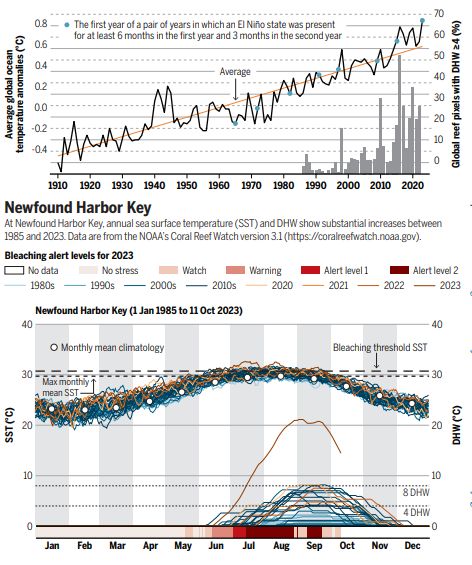
Unprecedented Coral Reef Loss Under Escalating Marine Heatwaves
The dire findings in this latest report on the unprecedented damage to coral reefs worldwide must shock the global conscience into urgent climate action. Marine ecosystems hang in the balance as oceans undergo sweeping changes at a breakneck pace. Coral reefs are dying! We have already breached the safe limit of 1.5°C warming. Marine heatwaves…
 Bapon (SHM) Fakhruddin, PhD