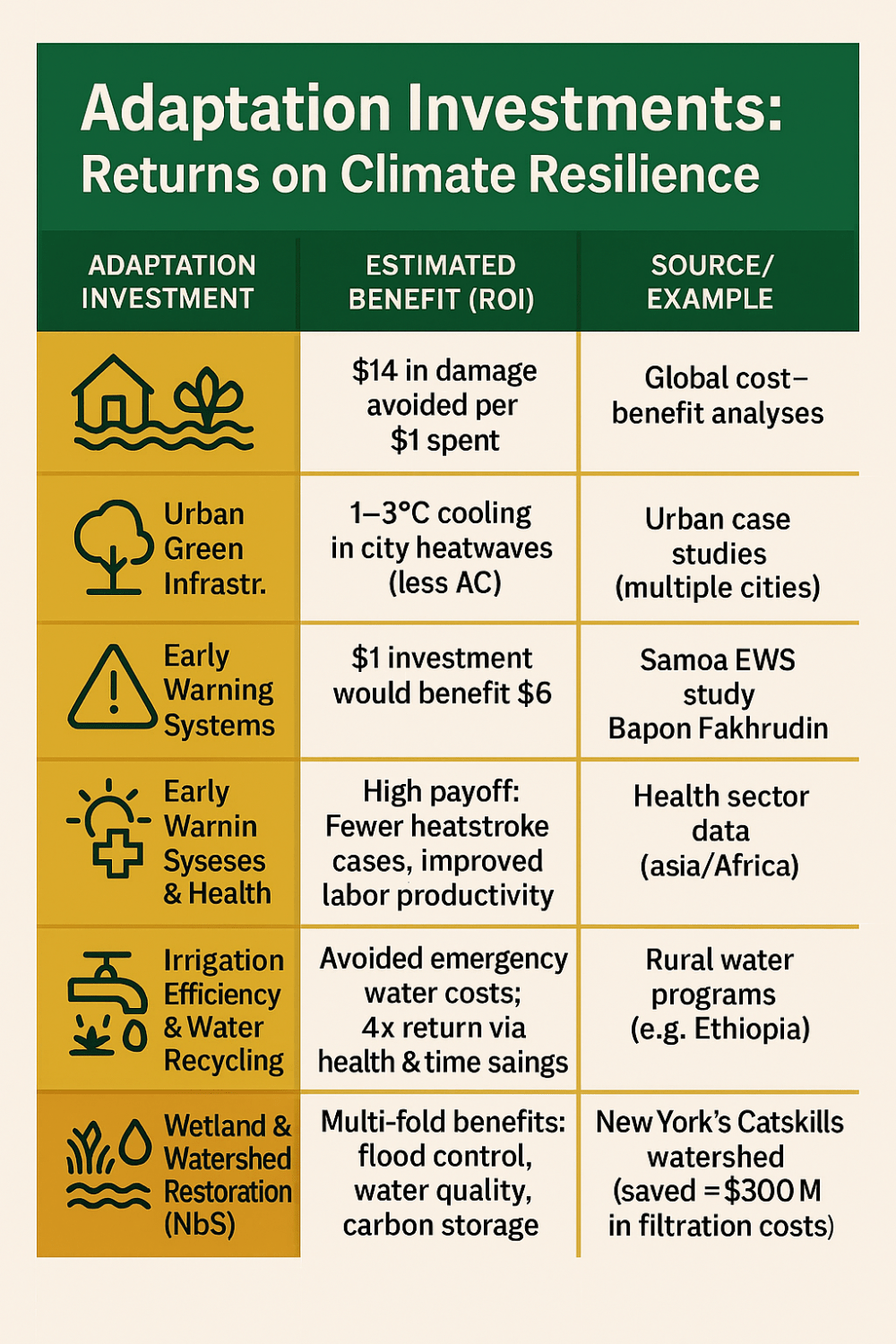
Climate change is a water crisis. Floods, droughts, and water scarcity are intensifying worldwide, underscoring that water security must be at the forefront of climate resilience strategies. As the global community prepares for COP 30 in Belém, Brazil, aligning water management with climate finance is no longer optional – it is urgent and strategic. The upcoming Baku to Belém Roadmap to 1.3 trillion climate finance initiative (2024–2035) offers a pivotal window to scale up adaptation funding.
Climate adaptation remains grossly underfunded, with water-related needs especially acute. The latest Adaptation Gap Report 2025 warns that developing countries face annual adaptation costs of $310–365 billion by 2035, yet current international public adaptation flows are only about $26 billion. In other words, adaptation finance must increase at least twelvefold to safeguard vulnerable communities. Water security exemplifies this gap: global investment in water infrastructure needs an extra $150 billion per year to meet SDG 6 (clean water and sanitation) by 2030, but public budgets and aid fall far short. Today, private capital contributes only 1-2% of water sector financing, and many water projects remain stalled due to perceived low returns and high risks. Bridging this gap is urgent for climate resilience.
The Baku–Belém Roadmap, aiming to reach $ 1.3 trillion, is to be refined at COP30 and serves as a blueprint for ramping up resources by 2035. It emphasises “new and additional” finance, including from non-traditional providers, and a focus on grants, concessional loans, and non-debt instruments to avoid burdening vulnerable nations. For water resilience, this means prioritising climate grants and highly concessional funding for projects such as rural water systems, flood defences, and nature-based solutions in LDCs and SIDS that cannot afford to take on more debt. It also means engaging emerging economies that can contribute, voluntarily, to global adaptation funds. Notably, about 30% of adaptation finance in recent years actually came from developing countries themselves (South–South cooperation and multilateral development bank shares). Recognising and strengthening these contributions can amplify total funds without diluting the obligations of developed countries.See content credentials.
#WaterSecurity #ClimateAdaptation #ClimateFinance #COP30 #BakuToBelem #AdaptationGap #SDG6 #ResilientWater #NatureBasedSolutions #ClimateResilience #GlobalAdaptation #WaterIsClimate

 Bapon (SHM) Fakhruddin, PhD