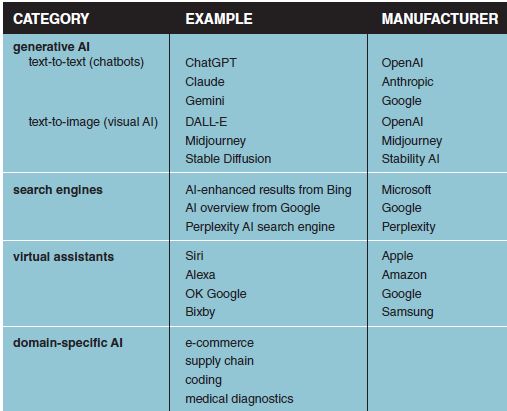
The advancement of artificial intelligence, especially the development of sophisticated chatbots, has significantly changed how we find and share information. While these chatbots exhibit remarkable proficiency with human language—evident in their ability to craft compelling stories, mimic political speeches, and even produce creative works—it’s crucial to recognize their limitations. They are not perfect. In fact, chatbots are not only prone to mistakes but can also generate misleading or entirely fabricated information. These fabricated responses often appear indistinguishable from credible, evidence-based data, creating a serious challenge for informed decision-making and constructive dialogue.
At the heart of these chatbots are large language models (LLMs), which function by predicting words based on massive datasets. This probabilistic mechanism enables them to produce logical, coherent text. However, it also means they are inherently prone to errors or “hallucinations.” When chatbots are designed to sound authoritative, a mix of accurate and fabricated information can inadvertently contribute to the spread of both misinformation and disinformation. This risk becomes particularly alarming in areas like political communication or public policy, where persuasive language can easily slip into manipulation.
Even with decades of advancements, modern AI technologies are still essentially advanced imitations of human conversation. These systems remain largely opaque “black boxes,” whose internal operations are often not fully understood, even by their creators. These innovations have yielded groundbreaking applications for customer support, digital assistants, and creative writing, they also amplify the danger of users being misled by inaccuracies.
From both regulatory and ethical perspectives, the rise of chatbots capable of fabricating information demands urgent attention. The responsibility for creating safeguards cannot exclusively lie with the companies that develop and benefit from these tools. Instead, a comprehensive, collaborative approach is critical. This approach should include greater transparency, stringent fact-checking mechanisms, and international cooperation to ensure that these powerful AI systems are used to educate and inform rather than mislead or deceive.
#ArtificialIntelligence #AIChatbots #DigitalEthics #Misinformation #Disinformation #ResponsibleAI #TechGovernance #AIEthics #InformationIntegrity #FutureOfAI

 Bapon (SHM) Fakhruddin, PhD