“What we do to water, we do to ourselves”- Bapon Fakhruddin, Green Climate Fund
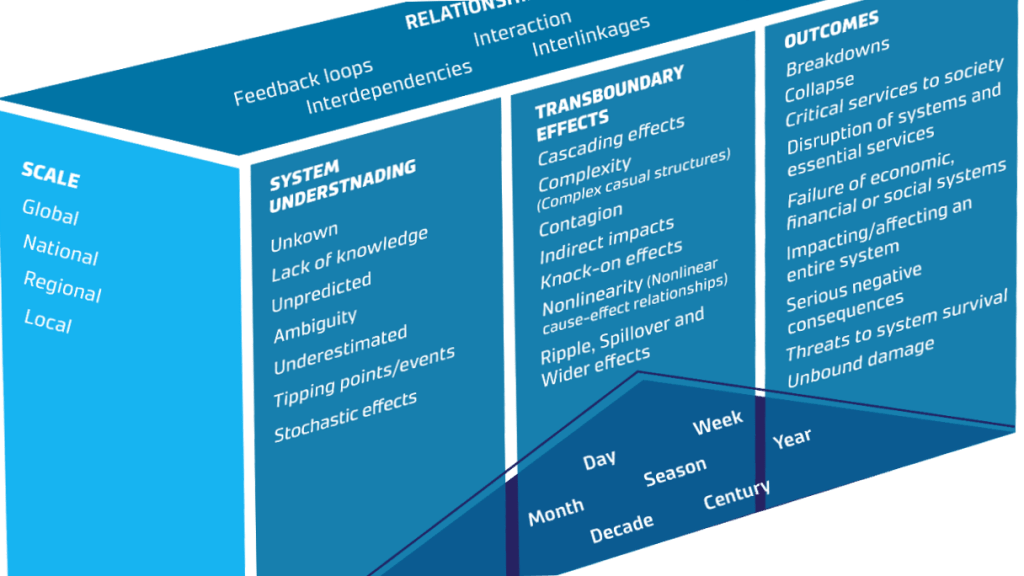
Water shows us the fundamental truth of our existence: everything is connected. The same water evaporating from the Amazon becomes rain over the Sahel, glaciers in the Himalayas, and drinking water in Auckland. We often forget how to see the unity of all things. Synchronicity is the recognition that everything in our world is interconnected, that unseen forces are weaving together the fabric of our existence. It reminds us that what happens in one part of the world can reverberate through the rest, impacting ecosystems, societies, and nations far beyond its point of origin.
The world’s water challenges cannot be siloed—they are deeply intertwined with climate change, food security, economic development, and political stability. For example, as glaciers melt and rivers dry, entire communities across continents are at odds over who controls this vital resource. The recent conflicts in regions are excellent reminders of how a resource as basic as water can become a source of division in an increasingly interconnected world.
Carl Jung taught us about synchronicity—those moments when inner and outer worlds align in meaningful ways. We belong to one system. Indigenous traditions have always known this. The Māori speak of waiora—the life force of water. In other words, rivers are often associated with purity, blessings, and sustenance. Quantum physics reveals that particles separated by oceans can still influence each other. Why, then, do we act as though our actions have no consequences beyond our borders?
This critical task is not one that governments or civil society can shoulder alone. The scale of the water crisis requires a response that is bold, inclusive, and catalytic. It requires collective action driven by innovation, investment, and foresight, where the private sector plays a pivotal role and where partnerships rooted in blended finance become the bridge to a water-secure future. Businesses across industries depend on water for their operations, their products, and their supply chains. From agriculture to manufacturing, energy to technology, water is at the heart of every major sector of the global economy.
Success will depend upon our ability to create inclusive governance frameworks, ensure transparency, and provide shared incentives to maintain accountability. Every one of us—corporations, governments, and individuals—has a role to play in building a system where water security is a collective, not a competitive priority.

 Bapon (SHM) Fakhruddin, PhD