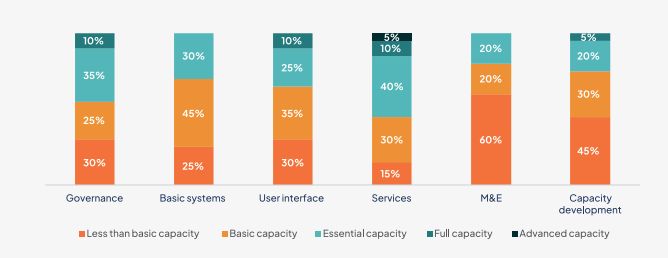
The Hydromet Gap Report 2024, produced by the Alliance for Hydromet Development, summarized critical gaps we must urgently address. It reveals that many NMHS in the developing world face severe resource constraints, knowledge gaps, outdated infrastructure, and limited data sharing – hampering their ability to deliver the early warnings and climate services communities need. For example, the report finds that all 20 countries assessed lack the observational infrastructure and data management systems to provide accurate, timely forecasts. Nearly half cannot adequately warn of impending disasters. These capacity gaps have very real consequences – countries with poor early warning coverage experience up to 6 times higher disaster mortality.
The good news is that solutions are within reach. There are several climate finances that are underutilized to build the capacity of NMHS. The #EW4All initiative aims to ensure every person on Earth is protected by early warning systems by 2027.
But we must do more. We need to attract the private sector in the water sector ensure strong coordination with meteorology and hydrology for urgently scale up investments and coordination to strengthen the foundations of climate resilience – NMHS. We need to:
# Embed hydrometeorological capacity building into national development and climate plans and ensure risk based decision making are in place for all sectors.
# Provide sustained, innovative flexible financing to climate resilience infrastructure and boost service delivery
# Foster transboundary and regional cooperation to leverage resources and expertise
# Empower these institutions to become knowledge hubs driving climate actions
The full report could be accessible here https://lnkd.in/gRRN9xbR

 Bapon (SHM) Fakhruddin, PhD