As we navigate the complex challenges of environmental stewardship and sustainable development, the rapid advancement of #AI presents us with a powerful tool to reshape our relationship with the natural world and define our understanding of a more sustainable future.
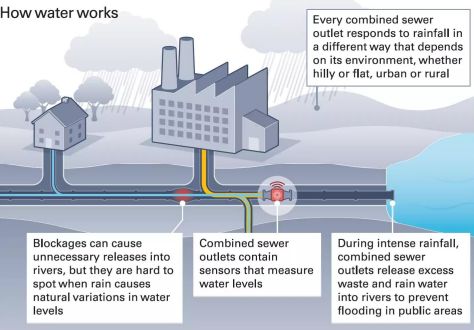
At the heart of this transformative potential lies AI’s remarkable ability to process vast amounts of #FAIR data, identify intricate patterns, and optimize processes with unprecedented efficiency. This capability holds immense promise for addressing some of our time’s most pressing non-revenue water loss issues from resource management. For example, in Sweden, the water company VA SYD has implemented an AI-powered leak detection system, reducing water loss by an impressive 20%. This conserves precious water resources and lowers energy consumption and operational costs, underscoring the multifaceted benefits of AI-driven solutions. Similarly, in the United Kingdom, Yorkshire Water is harnessing the power of AI to predict blockages in sewer systems, preventing unnecessary overflows and safeguarding water quality. This innovative approach reduces environmental pollution and improves public health, demonstrating the far-reaching impact of AI on sustainable development.
However, the true potential of AI extends far beyond mere efficiency gains. It allows us to drive a holistic shift towards sustainable practices, fostering a paradigm where environmental stewardship is woven into the fabric of our industrial and societal systems.
By integrating AI with cutting-edge technologies like the IoT and blockchain, we can create intelligent systems that optimize resource use, promote circularity, and cultivate responsible consumption patterns. This convergence of technologies is key to unlocking a future where economic growth and environmental protection are no longer at odds but harmonized in a virtuous cycle of sustainable prosperity.
We must recognize that AI is not every solution. It is a powerful tool that must be wielded with wisdom and foresight. Unlocking its full potential for environmental stewardship requires collaboration and partnerships across sectors, nations, and communities. Only through collective action and shared commitment can we harness the transformative power of AI to build a more resilient, equitable, and sustainable world.

 Bapon (SHM) Fakhruddin, PhD