Hydrogen gas may appear colourless, but the emerging hydrogen industry envisions a vibrant rainbow full of potential. From black to blue to green, the shades describe production methods with vastly different environmental impacts. As global hydrogen demand grows, estimated to reach 530 million metric tons by 2050, the rainbow is a sustainability guidepost for the booming sector.
Currently, carbon-intensive gray hydrogen dominates, accounting for over 70% of global production. This method utilizes fossil natural gas in a process emitting 830 million metric tons of CO2 yearly – on par with Indonesia and the UK’s total emissions. However, game-changing innovations from blue to green production offer climate-friendly alternatives.
Blue hydrogen deploys carbon capture and storage (CCS) to prevent emissions, slashing the carbon footprint by 60-85% compared to gray, according to UK gas firm SGN. CCS projects increased 13% annually from 2017-2021, with capacity now reaching 148 million metric tons of CO2 storage.
Green hydrogen from renewable electrolysis is even more transformative, which produces zero direct emissions. Electrolyzer capacity expanded 25-fold in the last five years and may grow 100-fold by 2030 if ambitious climate targets are met. Key examples like the REFHYNE project in Germany have expanded green hydrogen to a 10-megawatt commercial scale.
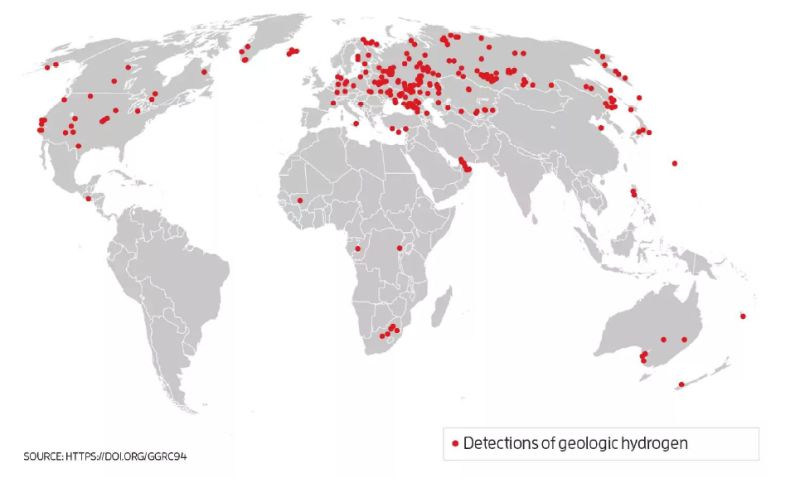
Gold or geologic hydrogen naturally occurring under the earth’s surface is most tantalising and least understood. Early indications show vast potential resources – 535 million metric tons in the US alone, equivalent to 75 times the country’s annual hydrogen demand. Revolutionary projects across Oman, the American Midwest and the Spanish Pyrenees are racing to discover whether gold hydrogen can deliver a clean energy jackpot to meet rising demand.
While the share of fossil-based gray production remains high, hydrogen’s color spectrum brightens with lower-carbon innovations essential to secure a livable climate future. From blue to green and perhaps gold, the rainbow guides the way.
Bapon (SHM) Fakhruddin, PhD
Water and Climate Leader| Strategic Investment Partnerships and Co-Investments| Professor| EW4ALL| Board Member| Chair- CODATA TG| Award Winner (SDG 2021, EWS 2025)
The Hydrogen Rainbow: Lighting the Path to a Clean Energy Future

 Bapon (SHM) Fakhruddin, PhD